About
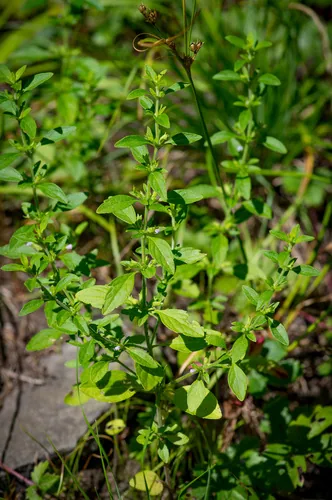
American pennyroyal (Hedeoma pulegioides) is a strongly aromatic annual to short-lived perennial mint relative of eastern North American dry open woods, barrens, and thin-soil openings—not the European Mentha pulegium also called pennyroyal. Plants are low and branching, roughly 6–12 inches (15–30 cm), with tiny tubular lavender flowers along the stems in summer. The leaves release a pungent oil when crushed, historically used in folk herbalism and as an insect-repelling rub plant where caution and proper identification matter. Full sun to light shade; prefers dry to moderately dry, well-drained, often slightly poor soils where competition is reduced. Overwatering and rich compost favor rot and leggy growth. Tolerates heat once established; not a bog plant. Sow seed indoors 6–8 weeks before last frost or direct-sow after frost danger; light helps germination—surface sow and press in. Cuttings root in moist sand in bright shade. Allow some plants to self-seed in situ to maintain stands in favorable niches. Gather leafy tops in full flower for strongest volatile oils, early on dry mornings after dew dries. Dry quickly with airflow, then store in airtight containers away from light. Never consume essential oil concentrates; traditional use is external and culturally specific—research toxicity before any internal use.
Permaculture Functions
- Medicinal: Hedeoma pulegioides leafy tops dried at peak bloom carry pulegone-family monoterpenes historically used as carminative teas and topical aromatics -- never confuse this eastern annual with Mentha pulegium oil practices; concentrated pulegone is dangerous.
- Pollinator: Tiny lavender tubes along branching stems feed small native bees and beneficial flies in dry barrens where showy meadow flowers refuse to persist -- bloom runs midsummer when nectar gaps open on thin soils.
- Ground Cover: Low matting habit fills gaps between little bluestem and butterfly weed without shading them out -- prefers lean dry soil, so rich irrigation invites rot and leggy collapse.
- Pest Management: Crushed leaves release sharp pennyroyal scent that people rub on skin or pack into sachets for insect annoyance trials -- efficacy varies by bug species and humidity, not by optimism alone.
Companion Planting
- Pulegone toxicity — related compounds are dangerous in concentrated doses; avoid confusing with true pennyroyal oil practices
- Pregnancy — traditional herbals warn against use; treat as non-food ornamental-aromatic unless expert-guided
Threats & Pressure