About
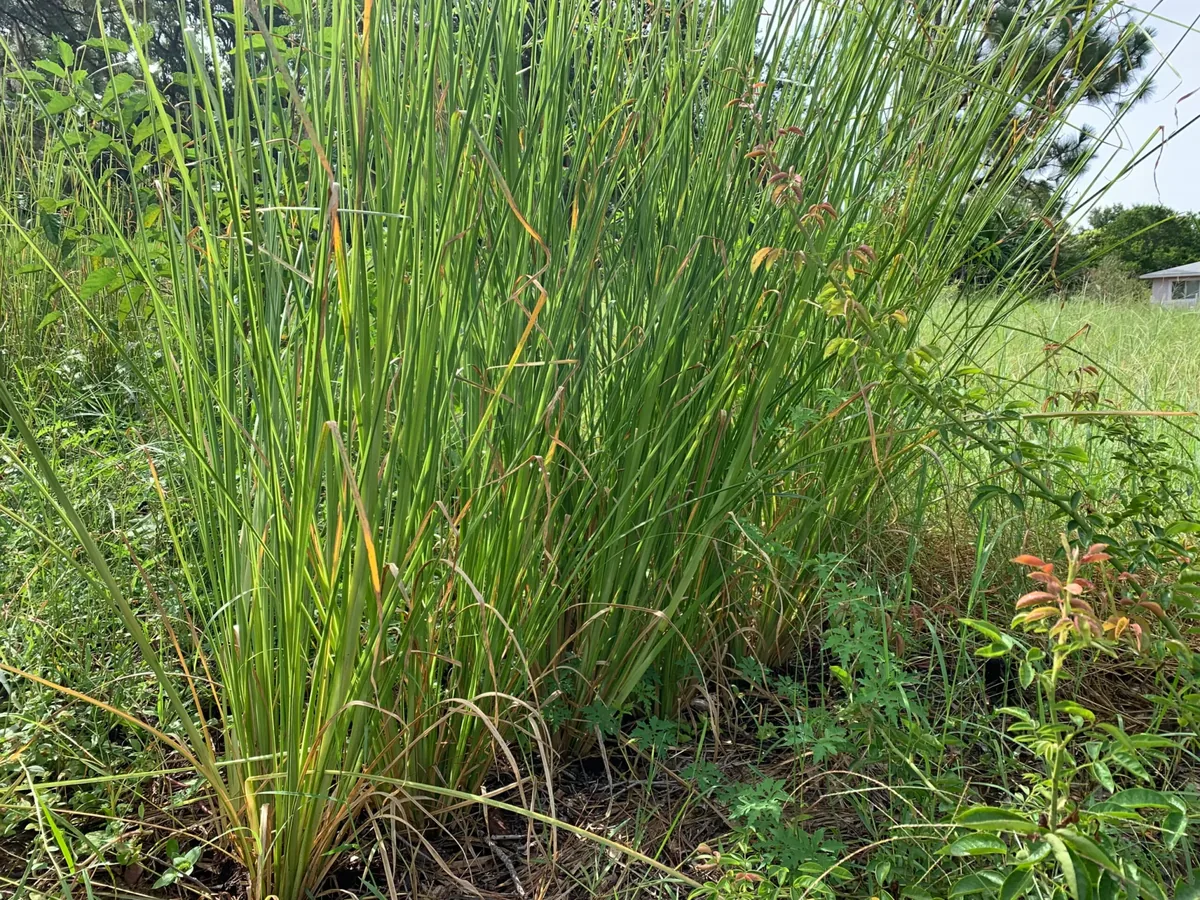
Vetiver Grass (Chrysopogon zizanioides) is a fast-growing, clump-forming perennial grass native to India. It can grow up to about 5 feet (1.5 m) tall with a dense, fibrous root system that can extend over 10 feet (3 m) deep, making it highly effective for erosion control. Unlike many grasses, it does not run by rhizomes but stays in a tight clump, limiting invasive spread. Full sun; tolerates poor and degraded soils when drainage stays honest. Drought-resistant once established but benefits from regular watering during early growth. Primarily root divisions; seeds are often sterile. Plant at the start of the rainy season for fastest establishment. Cut for mulch or fodder several times per year when stands reach about 3–5 feet (about 1–1.5 m).
Permaculture Functions
- Erosion Control: Chrysopogon zizanioides forms non-running clumps with 3 m roots that knit lateritic slopes -- staple contour hedges across humid tropics without bamboo's wanderlust.
- Mulcher: Silvery leaves yield multiple cuts yearly for mulch rings -- high silica slows decay, matching trees that want lasting cover.
- Dynamic Accumulator: Deep roots mine potassium, magnesium, and trace metals from subsoil -- leaf ash returns those salts to hungry annuals on degraded ground.
- Windbreaker: Tight row plantings filter trade winds across citrus and banana rows -- height is modest but porosity knocks gusts without full shade.
- Animal Fodder: Young leaf splits palatable to cattle when protein still beats cardboard -- mature blades toughen fast; cut on rotation like hybrid napier.
- Pest Management: Vetiver oil from roots repels termites in traditional granary protection -- field-scale claims need local verification.
- Water Purification: Dense root curtains filter runoff from disturbed slopes -- phytoremediation trials show significant uptake of nitrogen, phosphorus, and heavy metals from agricultural drainage.
Companion Planting
Threats & Pressure