About
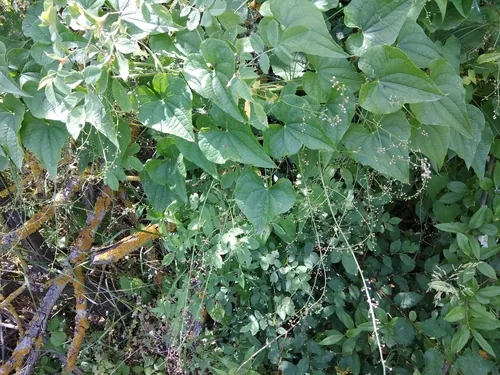
Caucasian spinach (Hablitzia tamnoides) is a long-lived edible vine from the Caucasus, climbing 2–3 m (6–10 feet) or more by twining stems and bearing heart-shaped leaves with a mild spinach flavor, plus small greenish flowers in airy panicles. It emerges very early in spring from a crown and can form a lush curtain on partial-shade supports. Partial shade to light shade in warm climates; tolerates morning sun with steady moisture. Rich, humusy, well-drained soil; likes even moisture but not bogging. In Florida and Puerto Rico, treat it as a cool microclimate experiment—highland shade, misty courtyards, or winter-dormant pots moved out of summer inferno—lowland tropical heat often causes summer dormancy or decline. Mulch crown to keep roots cool. Seeds: Sow in cool conditions; germination can be slow and irregular—start many. Division: Split crowns in early spring before vines elongate; keep divisions watered. Pick young leaves and shoot tips in spring and early summer; flavor can toughen and flower stalks appear in midseason. Repeated tipping encourages bushier growth.
Permaculture Functions
- Edible: twining stems yield mild heart-shaped leaves and shoot tips for salads weeks -- before heat makes true spinach bolt in cool-temperate forest gardens.
- Shade Provider: climbs trellis on north or east walls to cast a humid green curtain -- that cools livestock pens and shade-house aisles during bright summers.
- Wildlife Attractor: airy panicles of small greenish flowers feed tiny pollinators along semi-shady edges -- where the vine meets comfrey and fruit-tree driplines.
- Ground Cover: lower stems layer against mulch to mantle root zones of apples and shrubs -- when training wires keep growth off trunks while still shading weeds.
Companion Planting