About
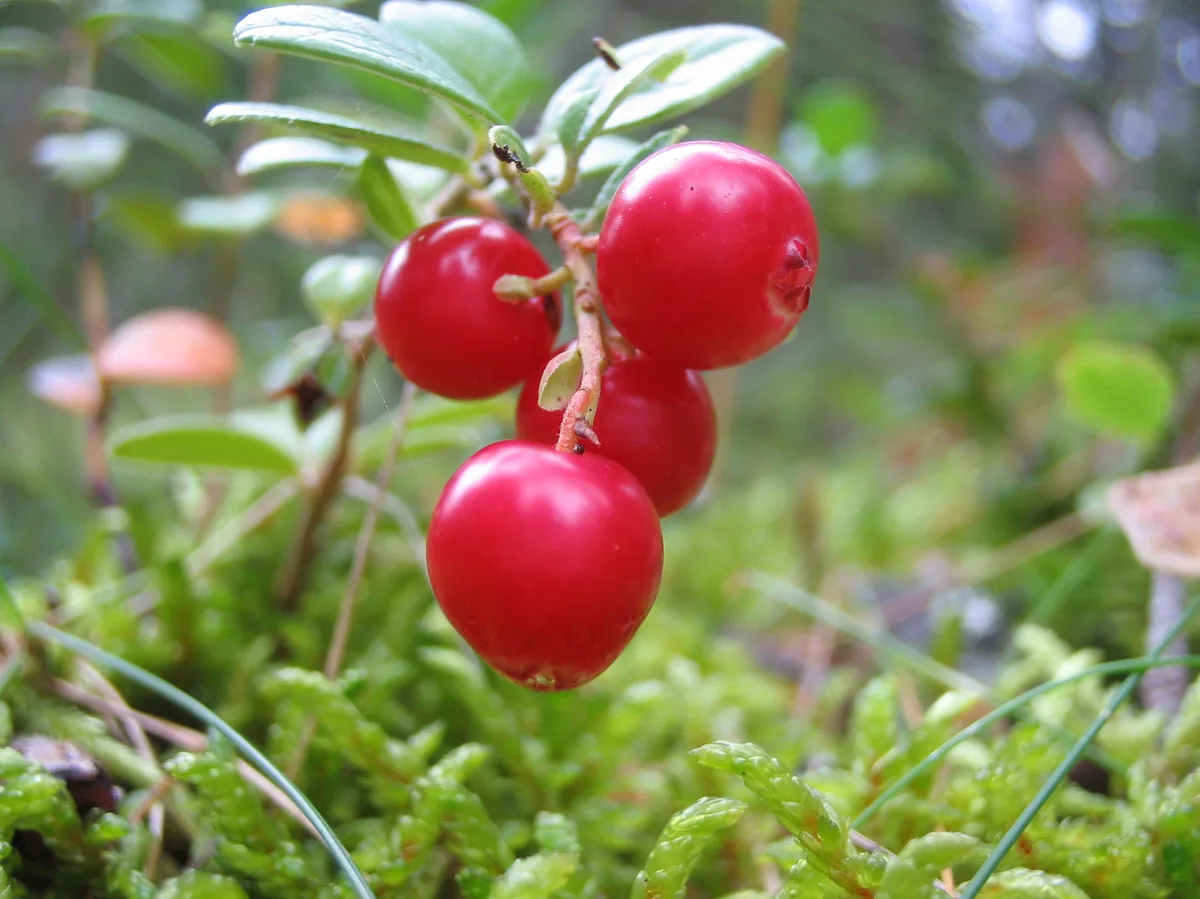
Partridgeberry (Mitchella repens) is a tiny evergreen rubiaceous creeper of acidic eastern woodlands, bearing paired white flowers (often two-fused) and bright red twin berries that look like nature’s earbuds. Stems root at nodes into a flat mat under trees; growth is slow, polite, and easily smothered by turf monoculture thugs. subtropical and tropical Americas: Limited to cool, shaded, organic-rich pockets in subtropical and tropical Americas uplands; not a Puerto Rico default—heat and alkaline irrigation will ghost it faster than bad Wi-Fi. Full shade to bright woodland shade; direct tropical sun is a cremation service. Evenly moist, humusy, acidic soil; mulch with leaf mold, not dyed landfill fluff. Layer stems: pin nodes to soil in spring; sever when rooted—patience is the main input. Divide small mats in early spring before heat; keep humid until new roots handshake the ground. Berries are edible but bland-meets-tart; harvest sparingly for wildlife if you want groundcover that still feeds the neighborhood. Minimal pruning; remove dead stems after drought stress if aesthetics matter more than ecology (be honest).
Permaculture Functions
- Edible: Mitchella repens twin red drupes taste bland-tart raw but brighten forest teas and tiny wild salads when picked sparingly -- leave most fruit for ground-foraging thrushes and rodents that disperse seed honestly.
- Wildlife Attractor: Paired white tubular flowers feed small native bees in deep-shade windows; evergreen mats give cover for salamanders under oak litter -- heat or alkaline irrigation ghosts the whole guild fast.
- Ornamental: Glossy opposite evergreen leaves and scarlet berries read as woodland tapestry under highbush blueberry skirts -- no plastic mulch theater required if leaf mold stays thick.
- Ground Cover: Stems root at nodes into slow, polite mats that exclude turf bullies on acidic humus -- tuck between ferns and sedges where dog traffic stays honest.
Companion Planting