About
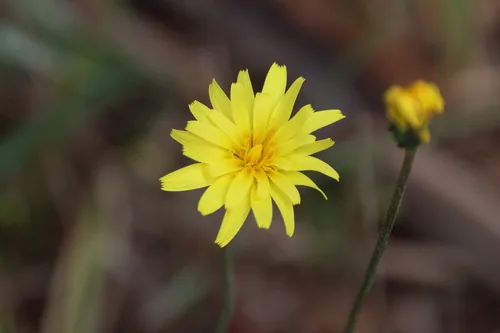
Yam daisy (Microseris walteri) is an Australian perennial grown for elongated tuberous roots that were a staple for First Nations peoples—flavor is mild, starchy, and sweet when roasted. Rosettes of narrow leaves sit close to the ground, sending up dandelion-like stems with yellow composite flowers when mature. Plants are still niche outside their homeland; in Florida and Puerto Rico treat trials as experimental—provide sharp drainage, avoid tropical oven nights without research selections, and source ethically propagated stock. Full sun for strongest flowering and tuber sizing. Low to moderate water once established; tubers rot in compacted wet clay. Sandy-loam with organic matter mimics many successful Australian production beds. Sow fresh seed on surface; light helps germination—do not bury deeply. Divide dormant tubers like small fingerlings before spring growth; heal cuts in dry shade briefly before replanting. Save seed from multiple plants to maintain diversity if your line fruits. Dig tubers after tops die back in cool-dry weather; cure briefly and store like other root vegetables. Flowers support pollinators; delay full-site tillage until you understand your population’s dormancy cues.
Permaculture Functions
- Edible: Microseris walteri elongated tubers roast sweet -- murnong was a First Nations staple; grow only from ethical propagation honoring cultural provenance.
- Ground Cover: Basal grass-like rosettes stay low -- dandelion-esque stems rise only when flowering.
- Pollinator: Yellow ligulate heads feed small native bees -- allow bloom if seed production matters more than tidy lawn aesthetic.
- Ornamental: Spare rosettes and airy stems read meadow-chic in dry trials -- still niche outside Australian climates.
Companion Planting
Threats & Pressure