About
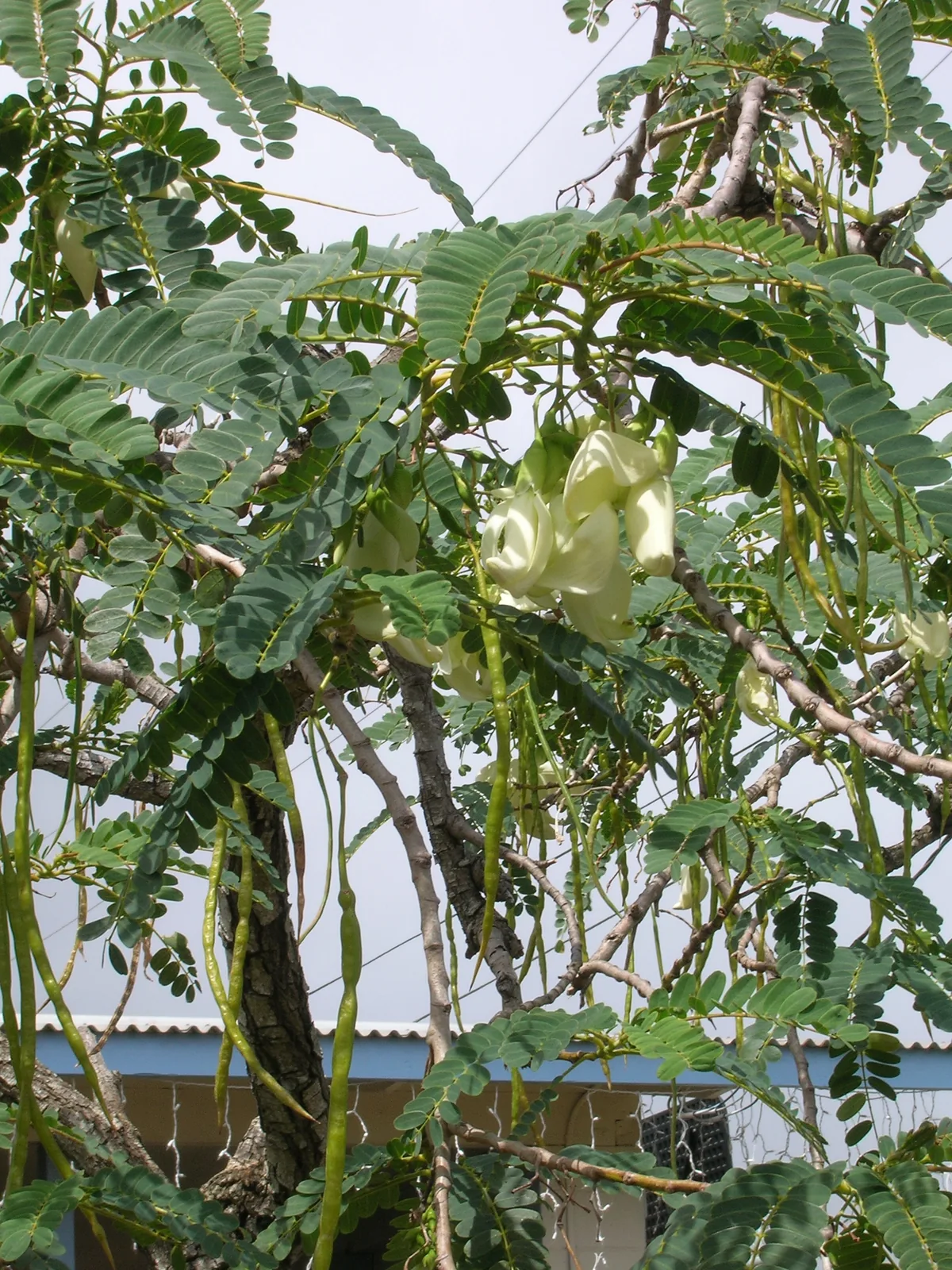
Sesbania grandiflora is a fast-growing tropical legume tree with soft wood, pinnate leaves, and spectacular large white or red flowers depending on cultivar, followed by long narrow pods. It commonly reaches 15–30 feet in a few years under warm, moist conditions, making it a classic chop-and-drop and alley-cropping species in humid lowlands; flowers and young pods are eaten as vegetables in South and Southeast Asian cuisines. Full sun for maximum growth and flowering; tolerates heat if soil moisture is steady. Likes fertile, well-drained soils with reliable water during establishment; in subtropical and tropical Americas’s wet season watch drainage to reduce sudden wilt from waterlogging on heavy sites. Seeds: soak seed in warm water 24 hours, sow in hot weather; inoculate with compatible rhizobia if available. Cuttings: large hardwood cuttings strike during warm rainy periods in sandy loam kept humid. Pick flowers and tender pods continuously during flush cycles; prune branches for mulch when height threatens understory crops. Leave some blooms for pollinators and seed if saving genetics.
Permaculture Functions
- Edible: Sesbania grandiflora crimson or white waxy flowers and young legume pods blanch into curries and sambals -- where South and Southeast Asian kitchens already expect the slightly bitter note.
- Nitrogen Fixer: Rhizobial nodules on these fast legume trunks bank nitrogen in tropical heat -- return coppice tips to banana circles as green mulch while prunings are still juicy.
- Animal Fodder: Soft pinnate leaves test high in crude protein for cut-and-carry to dairy buffaloes and goats on smallholds -- that time cuts to avoid woodiness.
- Shade Provider: Open, small-leaf canopy tempers mid-day sun on chile, taro, and understory taro -- without the deep permanent shade of broadleaf timber.
- Biomass: Whip regrowth after pollarding outpaces most trees in the wet season -- so you can feed biogas slurries or sheet compost piles on heavy feeders monthly.
Companion Planting
Threats & Pressure
- Aphids
- Banded Cucumber Beetle
- Bean Aphid
- Bean Leaf Beetle
- Bean Weevil
- Corn Earworm
- Cowpea Curculio
- Fall Armyworm
- Kudzu Bug
- Leafhoppers
- Locust Borer
- Locust Leaf Miner
- Lubber Grasshopper
- Pea Moth
- Pea Weevil
- Reniform Nematode
- Root Aphid
- Soybean Looper
- Spittlebugs
- Stink Bug
- Striped Cucumber Beetle
- Spotted Cucumber Beetle
- Brown Marmorated Stink Bug
- Harlequin Ladybird
- Velvetbean Caterpillar