About
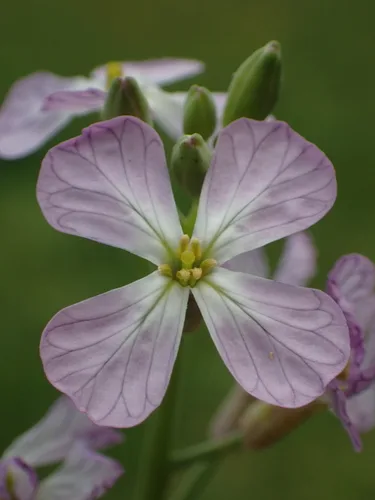
Oilseed radish (Raphanus sativus var. oleiformis) is a fast-growing brassica cover crop grown for its heavy-rooted biomass and soil-scavenging taproots. It is native to Eurasia and has become widely used across temperate gardens as a “between-crop” tool because it establishes quickly, pumps out leaves, and can help break up compacted layers. Plants typically reach 30–90 cm (12–35 in) tall depending on timing, and the thick roots create channels that improve infiltration once you cut or terminate the stand in permaculture systems. Full sun is best for rapid growth; partial shade slows leaf production. Moderate moisture supports early establishment; once rooted, it tolerates cool-season rainfall patterns. Prefers loose, well-drained soil; waterlogged beds encourage rot. Handles cool temperatures well; severe heat can reduce performance and push earlier flowering. Seeds (direct sow): sow in late season or early fall after main crop harvest; germination commonly takes 3–7 days with steady moisture. Seeds (overseeding): relay into open rows to thicken ground cover without starting from bare soil. Optional: roll/crimp or cut the stand at the point you want residue, then let biomass decompose on the surface. For mulch: cut or terminate when plants are actively growing but before hard seed set; leave residues as surface cover. For root channels: cut after roots have built but before the stand becomes woody or re-seeds unwantedly. For pollinator flowers: you can leave a small portion to bloom, but manage edges so it doesn’t take over.
Permaculture Functions
- Dynamic Accumulator: Raphanus sativus var. oleiformis sends a thick storage taproot two feet or deeper in loose soil, scavenging leached nitrate and subsoil sulfur -- flail before hard seed set so tissues rot in place instead of volunteering brassica weeds next spring.
- Erosion Control: Fast-closing canopy plus fibrous crown roots armor fallow beds through autumn storms when summer crops left bare mineral soil -- drill thick after August harvest windows in temperate rotations.
- Mulcher: Broad brassica leaves and hollow root channels decay into winter mulch blankets that suppress chickweed and annual grasses -- follow with a roller-crimper or mower timing that keeps stems green enough to break down, not lignify into thatch rope.
Companion Planting
Also mentioned as companions:
- Oats
Not yet profiled in PermiePortal
- Avoid letting the stand fully go to seed if you don’t want volunteers in subsequent crops.
- Don’t plant oilseed radish repeatedly in the same spot as other brassicas; rotate to reduce disease and pest buildup.