About
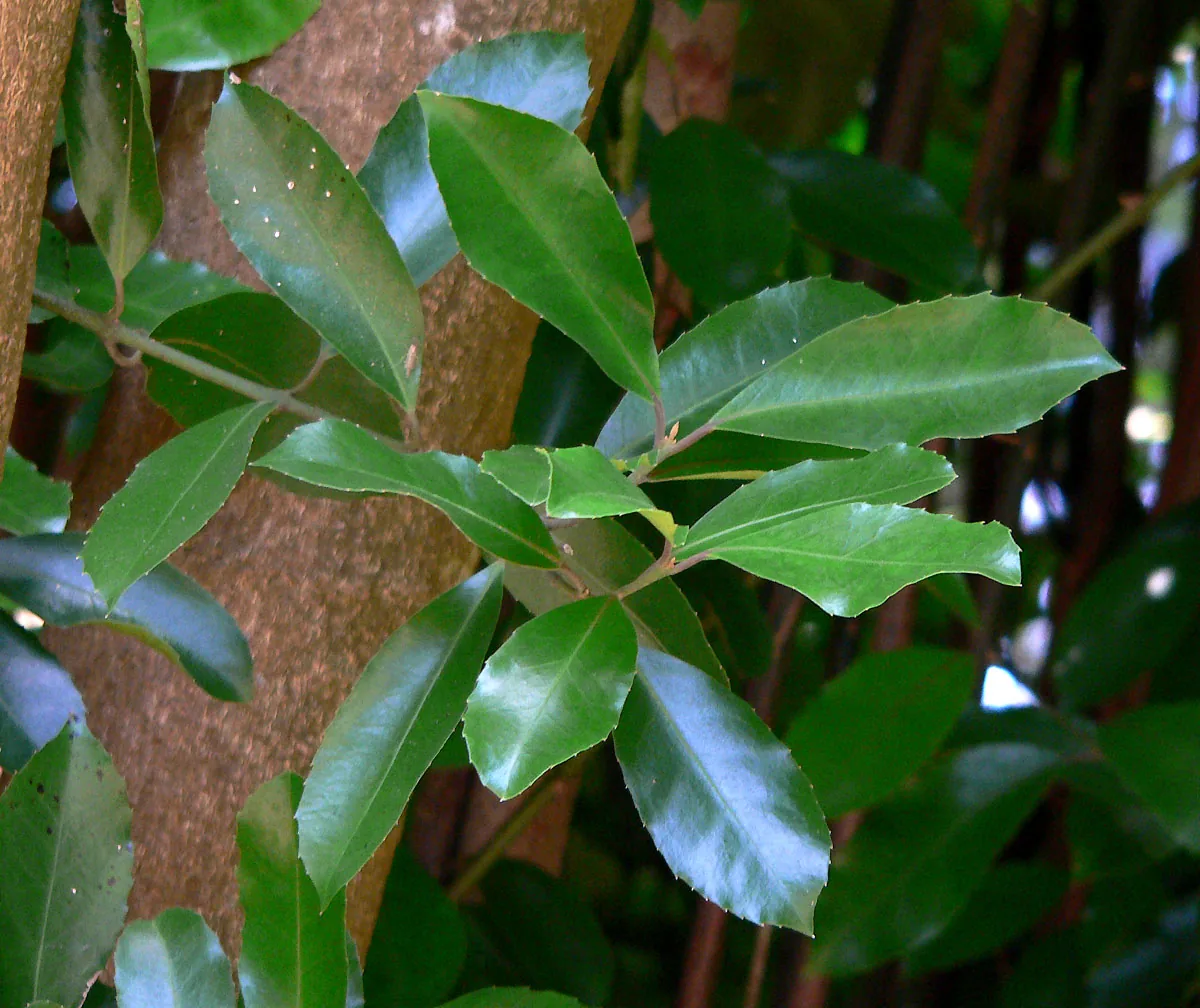
Pigeonwood (Trema orientalis) is a fast-growing, broadly distributed tropical and subtropical tree found from Africa through Asia and islands of the Pacific; it colonizes disturbed ground and forest edges. It has simple alternate leaves with serrated margins, small greenish flowers, and tiny drupes that birds devour; mature height is often 20–40 feet but can be larger in ideal conditions, with a light canopy that closes gaps quickly. Full sun to partial shade; pioneers open sites and tolerates competition as a nursery tree. Drought-tolerant once established but responds to seasonal rains; in subtropical and tropical Americas’s wet season ensure drainage on heavy clay to reduce root stress in prolonged saturation. Seeds: abundant from bird-dispersed fruit; sow fresh seed in warm moist mix for high germination. Root suckers: appears naturally from roots near the parent—dig and transplant suckers in early wet season with some roots attached. Often managed as chop-and-drop biomass during the warm growing season when growth is rapid; leave some trees to mature for wildlife and shade. Thin before crowns overtake slower fruit trees if used in a successional alley.
Permaculture Functions
- Wildlife Attractor: Trema orientalis tiny sweet drupes feed doves, pigeons, and frugivorous songbirds that replant edges faster than humans weed -- expect seedling carpets under roost lines unless you mulch or graze them.
- Biomass: Soft wood and huge serrated leaves rebuild organic matter on slash-and-burn scars or hurricane-cleared lots within a few wet seasons -- coppice during warm rains for maximum resprout volume.
- Erosion Control: Aggressive lateral roots knit landslide cuts and road fill until slower hardwoods establish -- still monitor for slope creep because fast growth can overload thin soils with top-heavy crowns.
- Animal Fodder: Leaves browse acceptably by goats and cattle in Pacific and African trials when introduced gradually -- tannins rise in stressed plants, so test small batches before committing whole herds.
- Mulcher: Fine leaf litter rots fast into black humus under young cacao or coffee -- chop-and-drop lower branches before dry season winds snap brittle wood into random hazards.
Companion Planting