About
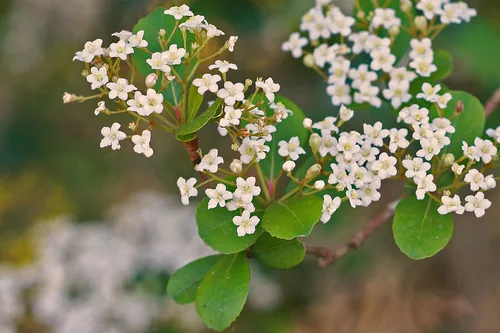
Walter's viburnum is a Florida-native evergreen to semi-evergreen shrub with small glossy leaves, creamy spring flowers, and bird-feeding drupes. It ranges from formal hedge height to small-tree form depending on genotype and pruning—coastal ecotypes stay tighter; inland forms can stretch. Warm humid Southeast workhorse hedge, understory, or wetland edge plant. Tolerates wet feet better than many ornamentals, which is why it keeps getting planted by people who actually read site conditions. Full sun to moderate shade; adaptable soils from sand to limestone to seasonal wet; salt tolerance moderate—coastal spray okay, not a dune pioneer. Seeds (double dormancy—slow); softwood/hardwood cuttings; dig suckers with roots. Nursery liners save years of waiting. Drupes feed birds first; human use is occasional—prune after fruiting if you want a tidy native hedge.
Permaculture Functions
- Edible: Viburnum obovatum drupes are mealy-tart bird food -- occasional jelly trials exist, but humans pick beautyberry first; leave fruit for migrating thrushes.
- Wildlife Attractor: Creamy spring cymes become dense blue-black clusters -- catbirds and mockingbirds strip hedges in weeks if you skip netting.
- Ornamental: Small glossy leaves shear into formal native hedges or leave loose for informal scrub -- tolerates limestone and wet feet better than many East Coast viburnums.
- Erosion Control: Fibrous roots knit sandy ditch banks and pond shelves -- classic Florida rain-garden backbone shrub.
Companion Planting
- Deep shade interior of forest
Threats & Pressure