About
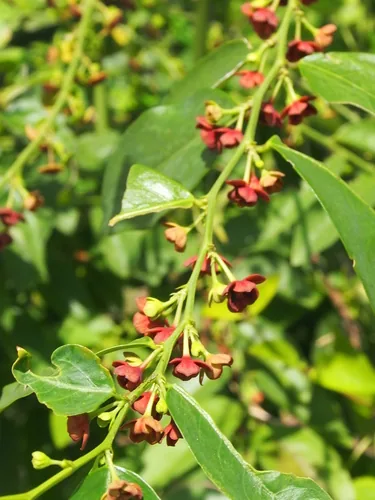
Katuk is a perennial shrub native to Southeast Asia, commonly growing up to 2-3 meters (6-10 feet) in height. It features dark green, oval-shaped leaves approximately 5-6 cm long, with small, flat, round yellow to red flowers that bloom in the leaf axils during summer and fall. The plant produces purple capsules containing small black seeds. Katuk thrives in tropical climates and is known for its rapid growth under warm, humid conditions. Katuk prefers partial shade, mimicking its natural understory habitat, but can tolerate full sun if provided with ample water. It grows best in moist, well-drained soils rich in organic matter and can withstand short periods of flooding. Regular watering is essential, especially when grown in full sun, to maintain its lush foliage. Katuk can be propagated through stem cuttings or seeds. For cuttings, select semi-woody stems at least 30 cm (12 inches) long and plant them in moist soil, keeping them in the shade until they establish roots. Seeds can be sown in potting medium and typically germinate rapidly, with seedlings growing quickly under favorable conditions. The young leaves and shoots of Katuk can be harvested year-round in tropical climates. Regular pruning encourages bushier growth and a continuous supply of tender foliage. In cooler regions, growth may slow during colder months, and the plant may lose its leaves, resuming vigorous growth with the return of warmer temperatures.
Permaculture Functions
- Edible: Young tips taste like raw sweet peas and hit 6-10% crude protein in leaf tests -- blanch or cook most meals; long runs of only raw leaf are linked to reversible lung imaging changes in human case reports out of Southeast Asia.
- Medicinal: Leaf decoction is traditional for cough and night sweats -- galactagogue reputation in Malay practice still needs the same medication review as any lactation herb.
- Wildlife Attractor: Axillary yellow-green flowers feed small bees under fruit-tree canopy -- where sun is dappled and big showy composites will not bloom.
- Mulcher: Hard tip pruning every few weeks during rainy season drops soft foliage -- that disappears into mulch under bananas within two turnover cycles of earthworms.
- Dynamic Accumulator: Potassium and calcium spike in dried-leaf assays compared with neighboring weeds on the same compost rate -- chop-and-drop is how you bank that in the topsoil you control.
- Erosion Control: Fibrous roots spread from layered stems on damp tropical slopes -- where mechanical mowing is unsafe after storms.
- Animal Fodder: Goats and cattle strip leaves in Pacific island silvopasture trials -- introduce gradually because novelty forage sometimes scours until rumen microbes adapt.
- Border Plant: Shear waist-high hedge along paths inside food forest rooms -- where you want a green wall that recovers from mistakes faster than Photinia.
- Ground Cover: Lay long whips on soil and they root at nodes -- good for holding mulch on contour until slower perennials knit in.
Field Observations
- No field observations yet
Companion Planting
Also mentioned as companions:
- Chili
Not yet profiled in PermiePortal
- None reported