About
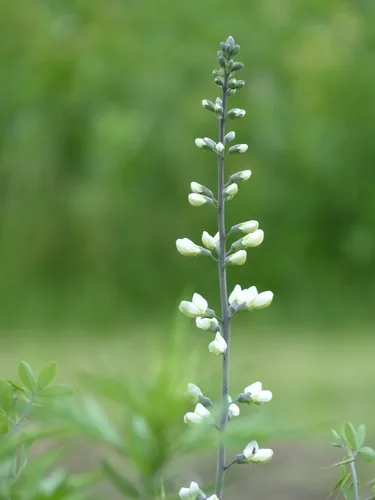
Wild indigo is the yellow-flowered Baptisia cousin—shorter, scrappier, and happy on sandier, drier ground than some of the big blue false indigos. Deep roots; moving mature plants is a negotiation you lose. Solid through 9a in well-drained sites; hates wet winter stagnation more than a little summer roast. Sun and water: Full sun for stiff stems and bright bloom. Lean to average, well-drained soil; drought-tolerant once established. Scarified seed; young divisions; avoid repeated transplant tantrums. For Wild Indigo, harvest timing follows the primary function you planted for -- flowers, fodder, mulch, or structure. Coppice or prune dormant windows where winters exist; subtropical plants often prefer dry-season cuts. Always sanitize tools between diseased and clean plants -- drama spreads faster than newsletters.
Permaculture Functions
- Nitrogen Fixer: Baptisia tinctoria fixes on thin upland sand -- yellow pea flowers mark nodules working where Baptisia australis wants richer soil.
- Ornamental: Mounding 2--3 ft shrubs carry bright yellow pea banners -- finer texture than big blue indigo; reads prairie pocket on lean ground.
- Wildlife Attractor: Long-tongued bees and butterflies work the banner-and-keel flowers -- bloom window is short but loud.
- Dynamic Accumulator: Deep taproot mines calcium and micronutrients into leaf tissue -- dormant stems chop-and-drop recycle those salts on-site.
Companion Planting
- Wet clay flats
- Shade-heavy corners (lodging and fewer flowers)
Threats & Pressure
- Banded Cucumber Beetle
- Bean Aphid
- Bean Leaf Beetle
- Bean Weevil
- Corn Earworm
- Cowpea Curculio
- Fall Armyworm
- Kudzu Bug
- Locust Borer
- Locust Leaf Miner
- Lubber Grasshopper
- Pea Moth
- Pea Weevil
- Reniform Nematode
- Root Aphid
- Soybean Looper
- Spittlebugs
- Stink Bug
- Striped Cucumber Beetle
- Aphids
- Leafhoppers
- Spotted Cucumber Beetle
- Brown Marmorated Stink Bug
- Harlequin Ladybird
- Velvetbean Caterpillar