About
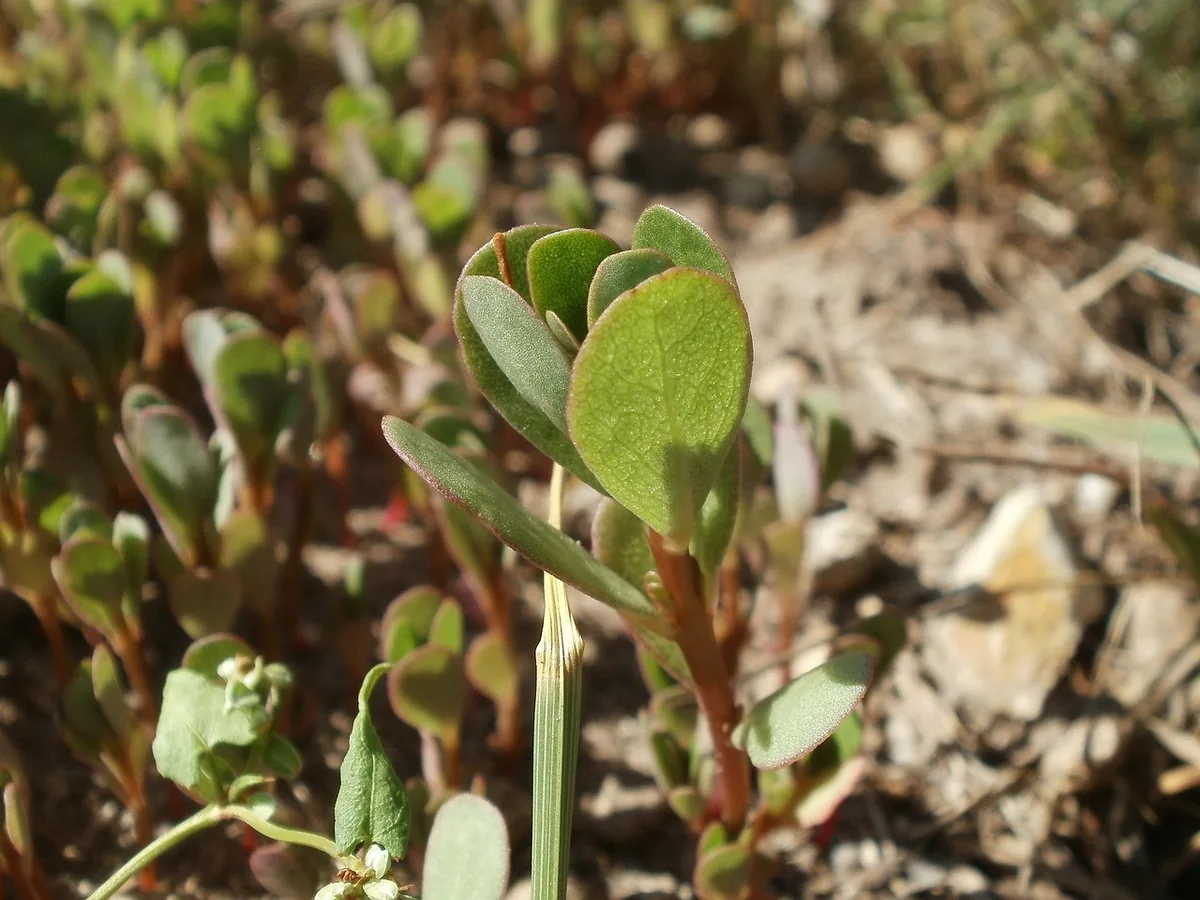
Purslane (*Portulaca oleracea*) is a fast-growing, succulent annual herb native to India and Persia, now found worldwide. It has smooth, reddish, prostrate stems that form mats up to 50 centimeters (20 inches) across. The fleshy, spatula-shaped leaves are alternately arranged and clustered at stem joints and ends. Small, yellow, five-petaled flowers bloom singly or in clusters at the stem tips, opening on sunny mornings. Purslane thrives in warm, open areas, including gardens, lawns, and disturbed sites. Purslane prefers full sun and thrives in hot, dry conditions. It is highly drought-tolerant due to its succulent nature but benefits from occasional watering to promote lush growth. Well-drained soils are essential to prevent root rot. Purslane propagates through seeds and stem fragments. Seeds germinate in warm soils, typically above 25°C (77°F), and can remain viable in the soil for several years. To cultivate, sow seeds shallowly in well-drained soil after the last frost. Stem cuttings can also root easily; simply place segments on moist soil, and they will establish quickly. Harvest purslane when plants are young and before flowering for the best flavor and texture. Snip stems 2.5 to 5 centimeters (1 to 2 inches) above the soil to allow for regrowth. Multiple harvests are possible throughout the growing season.
Permaculture Functions
- Edible: Portulaca oleracea succulent stems and spatulate leaves add lemony crunch to salads and quick pickles with unusually high plant-source ALA omega-3 for a warm-season weed -- harvest only clean, unsprayed pavement cracks you actually trust.
- Medicinal: Mucilage-rich tissues appear in Old World poultices for burns and gut-soothing teas -- oxalate load nudges kidney-stone-prone eaters toward moderation; modern trials lag behind kitchen enthusiasm.
- Ground Cover: Prostrate red stems root at nodes across tomato berms and melon rows, shading soil and outcompeting late-germinating pigweed -- goes crisp-dormant in drought then rebounds after one honest rain.
- Dynamic Accumulator: Fleshy leaves concentrate magnesium and potassium from fertile garden soils into fast-rotting mulch when you hoe and drop tops in place -- not a deep subsoil miner, just a quick nutrient shuttle.
- Wildlife Attractor: Minute yellow flowers open mornings for small bees; tiny black seeds feed sparrows if you stop weeding every gap -- balance harvest for humans versus birds on the same patio edge.
Companion Planting
Threats & Pressure