About
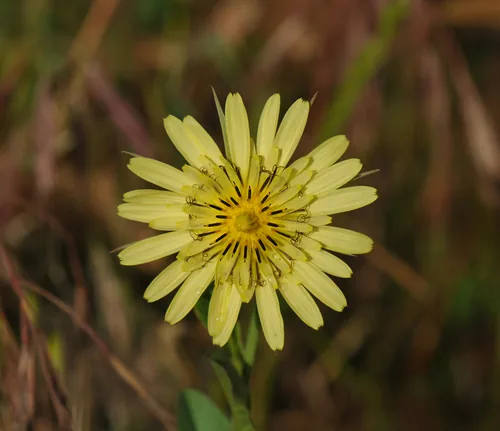
Chicory is the roadside blue daisy that coffee adulterers and Belgian endive fans share a species with — different selections, same tough taproot swagger. Roasted root makes a bitter brew; forcing blanched chicons is advanced kitchen cosplay. subtropical and tropical Americas: grows as biennial/perennial rosette with tall bloom spikes in year two; reseeds freely if you let sky-blue flowers set seed. Full sun for tight rosettes; tolerates poor soil that makes lettuce cry. Drought-tolerant once established; overwatering in heavy clay rots crowns. Seed in spring or fall; self-sows where happy. Root cuttings from selected varieties for endive forcing clones. Weed or crop depends on whether you invited it. Chicory: dig tubers or roots after tops senesce or frost signals storage shift -- curing a few days at 50-60°F (10-16°C) sweetens some starches. Loosen soil wide first -- snapped necks invite rot in storage. Brush-dry before long storage; plastic totes without airflow grow penicillin cosplay.
Permaculture Functions
- Edible: Witloof types force pale chicons in dark buckets after root lift in fall -- wild-type Cichorium intybus leaves stay bitter in salad but roast into mellow coffee cut with dandelion or barley for caffeine-free mornings.
- Dynamic Accumulator: Second-year taproots pull calcium into leaf tissue visible as thick midribs -- when you slash tops before bolting, that green manure feeds soil fungi without importing kelp every season.
- Pollinator: Sky-blue ligulate flowers open at dawn along tall candelabra spikes in July heat -- honeybees work them steadily when many other forbs have browned off in droughty summers.
- Ground Cover: Year-one rosettes shade bare soil between young fruit trees before canopy closes -- plan removal where self-seeded chicory would compete with shallow-rooted vegetables the next spring.
Companion Planting
Also mentioned as companions:
- Clover
Not yet profiled in PermiePortal
- Constantly wet heavy clay without slope
Threats & Pressure