About
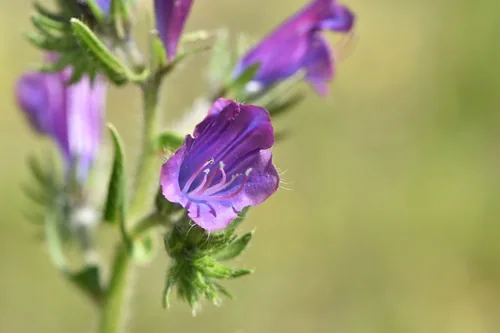
Viper bugloss is a dramatic biennial — first year a bristly rosette, second year a spike of intense blue flowers that honey bees mob. It reseeds like it has something to prove. Note the dark side: it is listed invasive in parts of North America, and honey heavy on Echium can carry alkaloids — another reason backyard beekeepers should know their bloom calendar. subtropical and tropical Americas is on the warm edge; it may finish its life cycle fast in hot wet summers. Treat as a self-limiting experiment, deadhead if you fear spread, and pull volunteers where they are unwelcome. Full sun for stiff, upright bloom. Well-drained, poor-to-average soil; too much fertility = flop. Moderate water; drought-tolerant once taproot develops. Seed in late summer or fall; needs light to germinate — surface sow. Thin to avoid crowding rosettes. For Viper Bugloss, harvest timing follows the primary function you planted for -- flowers, fodder, mulch, or structure. Coppice or prune dormant windows where winters exist; subtropical plants often prefer dry-season cuts. Always sanitize tools between diseased and clean plants -- drama spreads faster than newsletters.
Permaculture Functions
- Pollinator: Echium vulgare second-year spikes drip nectar that honey bees mob -- pyrrolizidine alkaloids in nectar mean hive managers watch bloom blends near brood season.
- Wildlife Attractor: Metallic bees, butterflies, and beeflies pack the cobalt racemes -- deadhead if listed invasive in your county.
- Border Plant: Basal rosette year one and rocket stems year two give vertical punctuation without shrub weight -- lean soil keeps stems stiff; fertility flops them.
- Animal Fodder: Sheep historically grazed controlled stands -- alkaloids can taint milk; verify stocking rates before turning lambs loose on flowering spikes.
Threats & Pressure