About
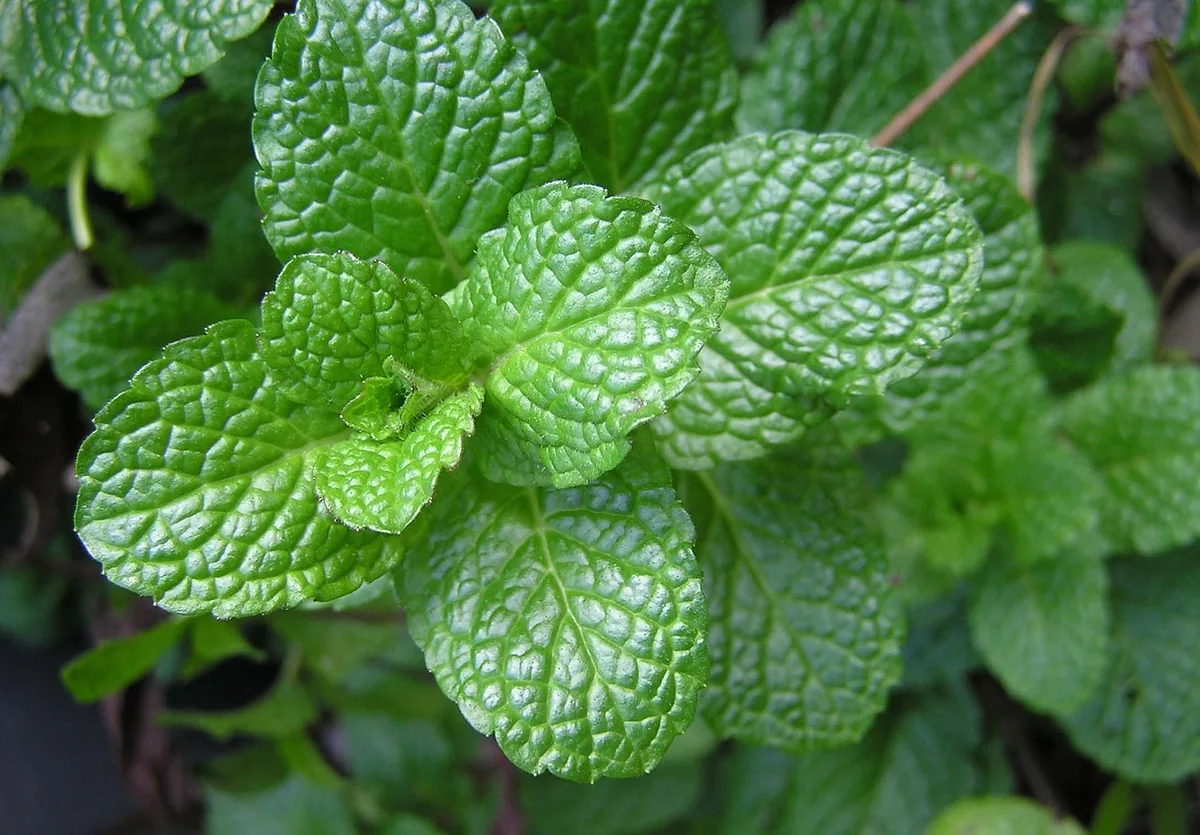
Mint (Mentha spp.) is a fast-growing, aromatic herb known for its spreading growth habit and strong scent. It is a vigorous plant that can quickly take over garden beds if not contained. Mint thrives in various conditions, making it an excellent choice for permaculture gardens. The leaves are commonly used in culinary dishes, herbal teas, and medicinal preparations. Mint also attracts pollinators while repelling harmful pests, making it an ideal companion plant. Prefers full sun to partial shade. Requires consistently moist, well-drained soil. Tolerates various soil types but thrives in rich, loamy soil. Cuttings: Easily propagated from stem cuttings placed in water or soil. Division: Established plants can be divided to create new plants. Runners: Spreads aggressively through underground rhizomes. Leaves can be harvested as needed once the plant reaches 10-15 cm (4-6 inches) in height. Regular harvesting promotes bushier growth and prevents flowering. Best harvested in the morning for the highest essential oil concentration.
Permaculture Functions
- Edible: Mentha spicata gives milder mojito leaf; Mentha × piperita hits higher menthol for tea and chocolate desserts -- harvest before midday heat drives volatiles off if you want freezer pesto that still punches next February.
- Medicinal: Peppermint-leaf tea is monographed for irritable bowel relief using whole-leaf infusions, not essential-oil shots -- GERD and hiatal hernia folks often get reflux flare from strong mint teas at bedtime.
- Pollinator: Verticillasters of white to lilac tubes open in late summer when many annuals quit, feeding honeybees and hoverflies on humid mornings -- bumblebees cut slits to rob nectar when corolla is too deep for their tongues.
- Wildlife Attractor: Syrphid flies lay eggs near aphid-heavy mint patches because the odor marks a food bank for larvae -- that trade means you tolerate some aphid colonies to keep predator reproduction honest.
- Mulcher: Post-flowering whorls chop into a wet, high-nitrogen mulch layer under fruit trees -- mix with dry straw so the mat does not go anaerobic; smell turns silage fast in sealed buckets without browns.
- Dynamic Accumulator: Rhizomatous roots mine phosphate and potassium from compost-enriched kitchen beds into leaf tissue -- when you rip out an invasive edge strip, fork that mint biomass straight into hot compost instead of trashing fertility.
- Erosion Control: Stolon mats knit the soil surface on pond berms where irrigation splashes daily -- fibrous roots hold pea gravel in place on dog paths until slower shrubs establish.
- Border Plant: Sink a twenty-four-inch (60 cm) metal barrier and plant mint as the scented skirt outside the barrier -- inside the bed stays clean; outside the path smells like tea when mower wheels bruise stems.
Field Observations
- No field observations yet
Companion Planting
Threats & Pressure