About
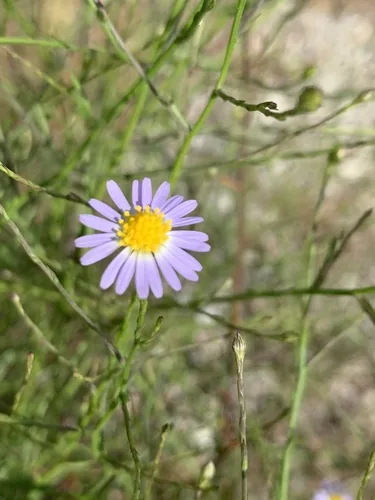
Saltmarsh aster (Symphyotrichum tenuifolium) is a perennial composite of coastal and interior saline wetlands in eastern North America, bearing clouds of small lavender-pink flowers very late in the season. Narrow leaves and salt-tolerant roots let it thrive where lawn species throw a tantrum. It belongs in living shorelines, brackish rain gardens, and pollinator corridors that still respect tidal truth. Full sun; shade reduces bloom and encourages flopping. Moisture-loving; tolerates periodic inundation and salt spray in coastal plantings. Sandy to muddy soils; avoid pure freshwater potting mixes that lack mineral buffering. Division in early spring before new growth surges. Seeds: sow fresh or cold stratify; keep soil moist until establishment. Cuttings from soft tips possible in humid greenhouses. Leave most flowers for migrating pollinators; seeds feed finches if heads stand into winter. Cut stems for bouquets at peak color; vase life is modest. Reduce freshwater irrigation if leaves yellow from overly sweet soil in brackish designs.
Permaculture Functions
- Pollinator: Symphyotrichum tenuifolium opens masses of lavender-pink disk-and-ray blooms very late -- after goldenrod peaks -- feeding bees still active in cool coastal air.
- Wildlife Attractor: Finchy seedheads follow the fall show -- while wiry stems hold insects above brackish mud for spiders and marsh birds hunting the edge.
- Erosion Control: Fibrous roots bind salty mud through wet-dry tidal swings -- where turf would drown or burn.
- Ornamental: Cloudy pastel flower pads soften riprap and bioengineering profiles -- without pretending this is a cottage perennial inland.
Companion Planting
Threats & Pressure