About
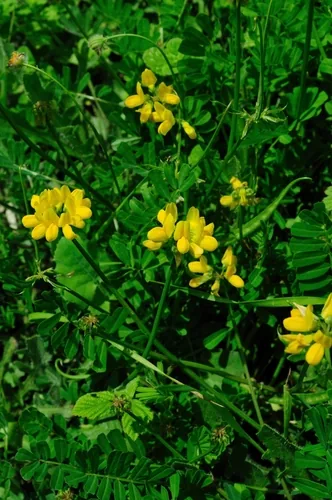
Crown vetch (*Securigera varia*) is a rhizomatous perennial legume that forms dense, pink-purple flowering mats along roadsides and disturbed ground. Pinnate leaves climb via tendril-tipped leaflets, and roots spread aggressively belowground. Height is usually under 60 cm when unsupported. It was once promoted for erosion control but is now recognized as invasive or problematic in many regions, smothering diverse plant communities. Do not plant where it can escape into natural areas, rights-of-way stewardship sites, or native restoration projects in Florida and Puerto Rico—local regulations and land ethics should win over nostalgia for quick greenwash fixes. Full sun to light shade. Tolerates poor, dry soils once established; moderate moisture speeds spread. Only consider contained settings (e.g., bounded beds with root barriers) if you accept ongoing management. Seeds: Scarify and sow in spring; germination improves with warm soil. Rhizome pieces: Any fragment can root—this is why it is a containment risk, not a selling point for careless planting. If already on your land, mow or graze before seed set to slow invasion (check toxicity concerns for livestock). Replace long-term with native legumes suited to your biome rather than feeding perpetual battle.
Permaculture Functions
- Nitrogen Fixer: Securigera varia rhizobia fix N into legume tissue -- cycle cut biomass only inside bounded systems so rhizomes do not export the problem.
- Erosion Control: Pinnate leaves and rhizomes knit cuts and fills on poor soils -- same vigor makes it a containment risk off-site.
- Biomass: Fast leafy growth yields chop-and-drop mulch on contained banks -- avoid seeding into prairies or restoration parcels.
- Animal Fodder: Historically grazed where adapted -- verify nitrile glycoside and local toxicity guidance before turning stock onto large stands.
Companion Planting
Also mentioned as companions:
- Tall fescue
- Birdsfoot trefoil
Not yet profiled in PermiePortal
- Butterfly weed
- Blazing star
Threats & Pressure
- Aphids
- Banded Cucumber Beetle
- Bean Aphid
- Bean Leaf Beetle
- Bean Weevil
- Corn Earworm
- Cowpea Curculio
- Fall Armyworm
- Japanese Beetles
- Kudzu Bug
- Leafhoppers
- Locust Borer
- Locust Leaf Miner
- Lubber Grasshopper
- Pea Moth
- Pea Weevil
- Reniform Nematode
- Root Aphid
- Soybean Looper
- Spittlebugs
- Stink Bug
- Striped Cucumber Beetle
- Spotted Cucumber Beetle
- Brown Marmorated Stink Bug
- Harlequin Ladybird
- Velvetbean Caterpillar