About
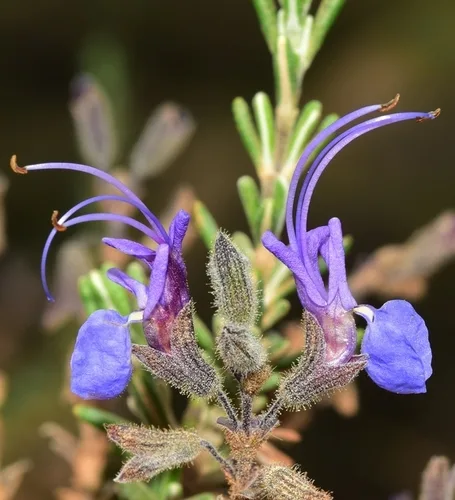
Rosemary (Rosmarinus officinalis) is a woody, aromatic, evergreen herb that grows as a perennial shrub. It can reach up to 1.5 meters (5 feet) tall and produces needle-like leaves with a strong fragrance. In the right conditions, rosemary can live for decades and becomes a low-maintenance, drought-tolerant plant. It blooms in late winter through spring with small blue to purple flowers that attract pollinators. The plant thrives in well-drained, sandy, or loamy soil with a slightly alkaline pH. Rosemary is highly drought-resistant once established and prefers warm climates with mild winters. In colder regions, it can be grown in containers and moved indoors during winter. Prefers full sun (6-8 hours of direct sunlight daily). Requires well-drained soil with low to moderate moisture. Avoid overwatering, as rosemary is susceptible to root rot. Cuttings: Best method—take 10-15 cm (4-6 inch) cuttings from young stems, remove lower leaves, and root in moist soil or water. Layering: Bend a stem to the ground, cover part of it with soil, and allow it to develop roots before cutting from the parent plant. Seeds: Difficult to germinate; takes weeks to months for successful sprouting. Can be harvested year-round in warm climates. Clip sprigs as needed once the plant is well-established (after at least 1 year). Best flavor comes from young, fresh growth before flowering.
Permaculture Functions
- Edible: Needle sprigs strip into bread dough, roast potatoes, and fire-grilled skewers -- upright Tuscan types give mild pine flavor while prostrate forms stay tender for whole-sprig salt crusts.
- Medicinal: Rosmarinic acid in leaf supports traditional digestion and headache tea -- epilepsy medication and high blood pressure drug lists flag concentrated extracts; kitchen sprig doses differ.
- Pollinator: Pale blue winter-to-spring tubes open when little else blooms along the Mediterranean coast -- feeding early bumblebee queens on warm afternoons between rains.
- Wildlife Attractor: Dense evergreen twigs give small songbirds escape cover from hawks along fencerows -- where deciduous hedges are bare half the year.
- Windbreaker: Upright cultivars to five feet knit a permeable hedge that slows coastal gusts across lettuce beds -- without casting deep noon shade on the south side.
- Border Plant: Woody framework marks herb garden corners year-round -- container specimens move under eaves where hard freezes would kill ground-planted stock in marginal zones.
- Pest Management: Volatile oils confuse cabbage white butterflies searching for brassica scent when rosemary sits upwind of kale starts -- still pair with netting on heavy pressure years.
Companion Planting
Threats & Pressure