About
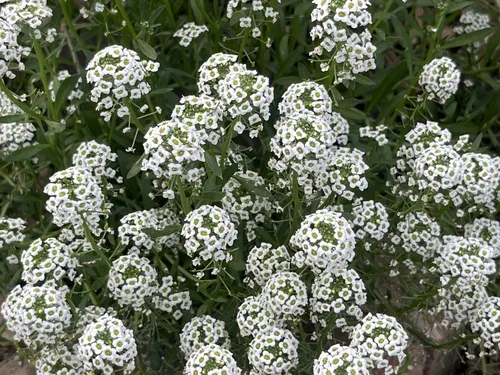
Sweet alyssum (Lobularia maritima) is a low, honey-scented workhorse: tiny four-petalled flowers in white, pink, or purple clouds over rounded gray-green leaves. In cool weather it forms carpets 4–10 inches tall; in heat it can get scraggly unless you give it afternoon shade and deadheading discipline. It self-sows where winters are mild. subtropical and tropical Americas: Treat it as a cool-season superstar in Florida—fall through spring borders, vegetable bed edges, and container spillers when nights finally drop the attitude. Puerto Rico’s upland pockets can grow it in the cooler months; lowland wet-season heat turns it into compost unless drainage is cruelly sharp. It is the annual apology tour for gardeners who want beneficial insects without another lecture. Full sun in cool months; part shade in brutal summer microclimates. Even moisture; do not drown crowns—raised beds and grit save lives in humid downpours. Sow seed directly in prepared soil after heat breaks; barely cover seed, keep evenly moist until true leaves appear. Soft tip cuttings root quickly in perlite mix for cloning favorite colors before they bolt. Cut and compost spent waves to prevent moldy thatch; shear lightly to force fresh bloom. Let some plants set seed if you want free volunteers—control chaos or regret volunteers.
Permaculture Functions
- Pollinator: Lobularia maritima honey-scented umbels carpet hoverfly nurseries along brassica skirts -- when planted in wide ribbons, not lonely singles.
- Ground Cover: Low mats exclude chickweed between tomato heels -- while shallow roots sip irrigation meant for deeper crops.
- Pest Management: Early aphid colonies on alyssum pulls syrphid larvae onto the buffet -- scout predator arrival before reflex-spraying the bait flowers.
Companion Planting