About
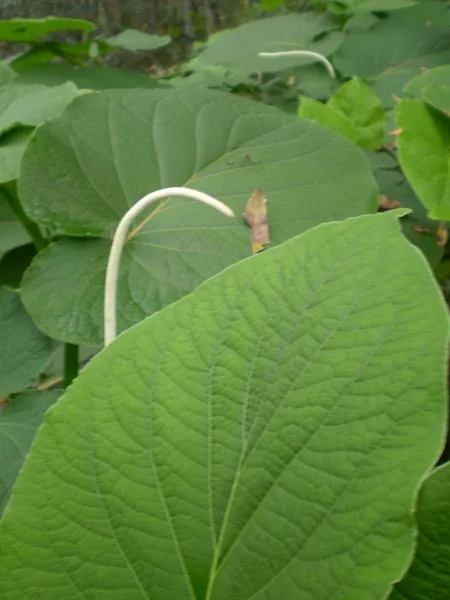
Piper auritum, commonly known as the Root Beer Plant, is a perennial shrub native to tropical regions of Central America. It can grow up to 6 meters (19 feet) in height and features large, heart-shaped, velvety leaves that emit a root beer-like fragrance when crushed. The plant produces small white flowers arranged in simple spikes that rise above the foliage. Its unique flavor profile, reminiscent of anise, eucalyptus, and sassafras, makes it a valued culinary herb in Mexican cuisine. Prefers partial shade to full shade and thrives in moist, well-draining soils. While it enjoys ample water, it's important to avoid waterlogged conditions to prevent root rot. Propagation is typically achieved through root division or separation of plantlets that emerge from the soil. This method ensures the new plants maintain the characteristics of the parent plant. Leaves can be harvested once the plant is well-established, typically in its second growing season. For optimal flavor, pick young, tender leaves as needed throughout the growing season.
Permaculture Functions
- Edible: Piper auritum leaves run ten to thirty centimeters long with sassafras-anise oil safe for wrapping tamales, fish, or chocolate -- safrole-rich chemistry means keep internal medicinal experiments out of pregnancy and do not confuse with unrelated Piper species from the spice aisle.
- Medicinal: Mexican folk teas use leaf for cough and bellyache -- dose is leaf-count sensitive because volatile oils irritate empty stomachs; separate occasional culinary wrap use from daily medicinal liters.
- Wildlife Attractor: Spikes of tiny white cups along stem tips drip nectar for stingless bees and small flies in humid shade houses -- bloom is subtle; most wildlife value is canopy cover for shade understory frogs if you let lower branches skirt soil.
- Ground Cover: Wide cordate leaves tile forest floor under bananas or cacao where sun is broken -- stems root when touching mulch, so edge the patch or accept a broadleaf thicket spreading toward paths.
Field Observations
- No field observations yet
Companion Planting
Also mentioned as companions:
- Corn
- Bean
- Squash
Not yet profiled in PermiePortal
- None specified
Threats & Pressure