Organic Solutions Only
Pest Index
No Roundup. Not ever.
247
pests profiled
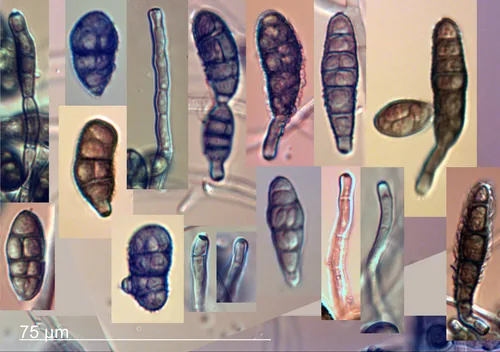
Alternaria Leaf Spot
Alternaria spp.
If leaves, stems, or fruit suddenly look spotted, sunken, or rotting, alternaria leaf spot may already be active. This problem often starts small, then spreads across healthy tissue before most growers realize how serious it is. Warmth, moisture, and crowded foliage usually speed it up. Treat early, because waiting even a few days can turn a manageable infection into major crop loss.
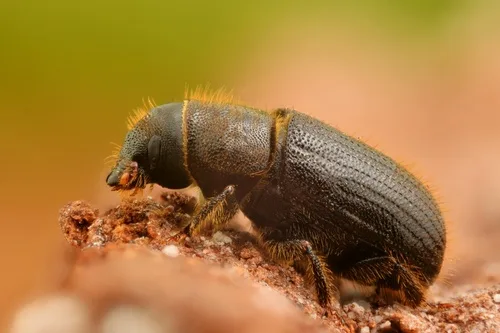
Ambrosia beetles
Curculionidae (Scolytinae)
Ambrosia beetles are tiny wood-boring weevils that farm symbiotic fungi inside stems and trunks. The first sign is often wilting or die-back on a branch that still looks green, paired with fine sawdust or toothpick-like strands at the base. They target stressed, thin-barked trees and shrubs across temperate to subtropical zones. Catching them early matters because galleries disrupt vascular flow and open pathways for decay organisms.
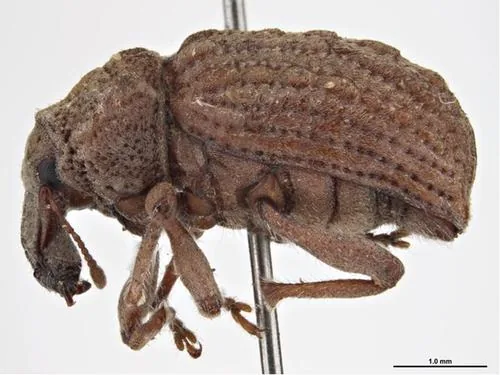
Andean Potato Weevil
Premnotrypes suturicallus
If plants are wilting, notching at the edges, or fruit and roots show hidden feeding damage, andean potato weevil may be the cause. Adults chew above ground while larvae often feed out of sight inside soil, stems, or fruit. Damage builds quietly, then plants crash fast when roots are heavily hit. Act early so a small weevil problem does not become a season-long infestation.
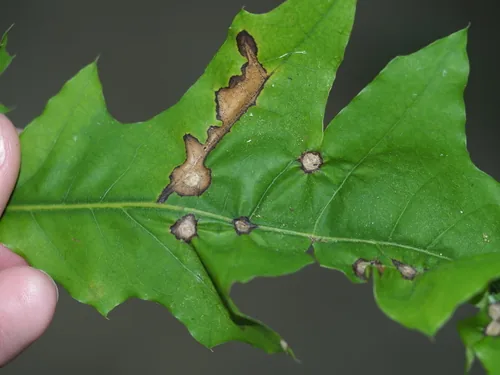
Anthracnose
Colletotrichum spp.
If leaves, stems, or fruit suddenly look spotted, sunken, or rotting, anthracnose may already be active. This problem often starts small, then spreads across healthy tissue before most growers realize how serious it is. Warmth, moisture, and crowded foliage usually speed it up. Treat early, because waiting even a few days can turn a manageable infection into major crop loss.
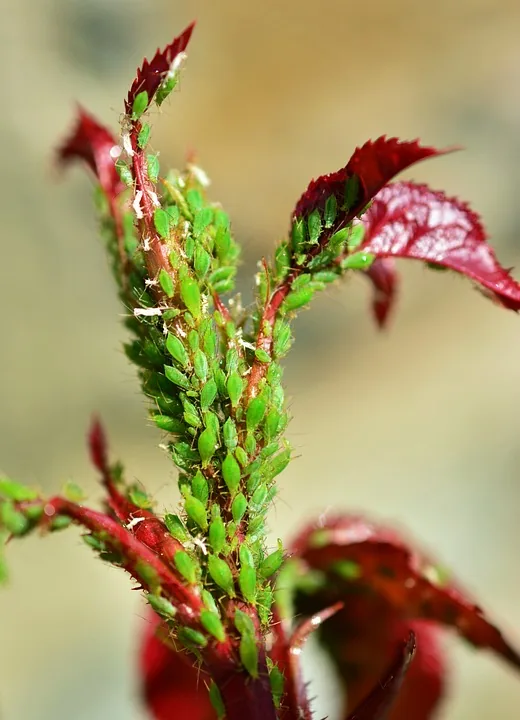
Aphids
Aphidoidea
If new growth is curling, yellowing, sticky, or chewed, aphids may already be on the plant. This pest often builds quietly, then damage appears all at once. Feeding stress weakens growth, reduces yield, and opens the door to secondary disease. Early cleanup is much easier than fighting a full population surge later.
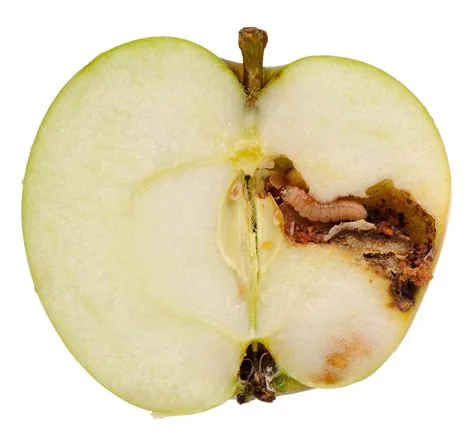
Apple Maggot
Rhagoletis pomonella
If leaves show trails, fruit turns soft, or roots collapse from inside, apple maggot may already be feeding. The larval stage does most of the damage, often hidden where you cannot see it at first glance. By the time yellowing or rot appears, feeding may be well underway. Move quickly when symptoms begin to prevent another wave of eggs and larvae.
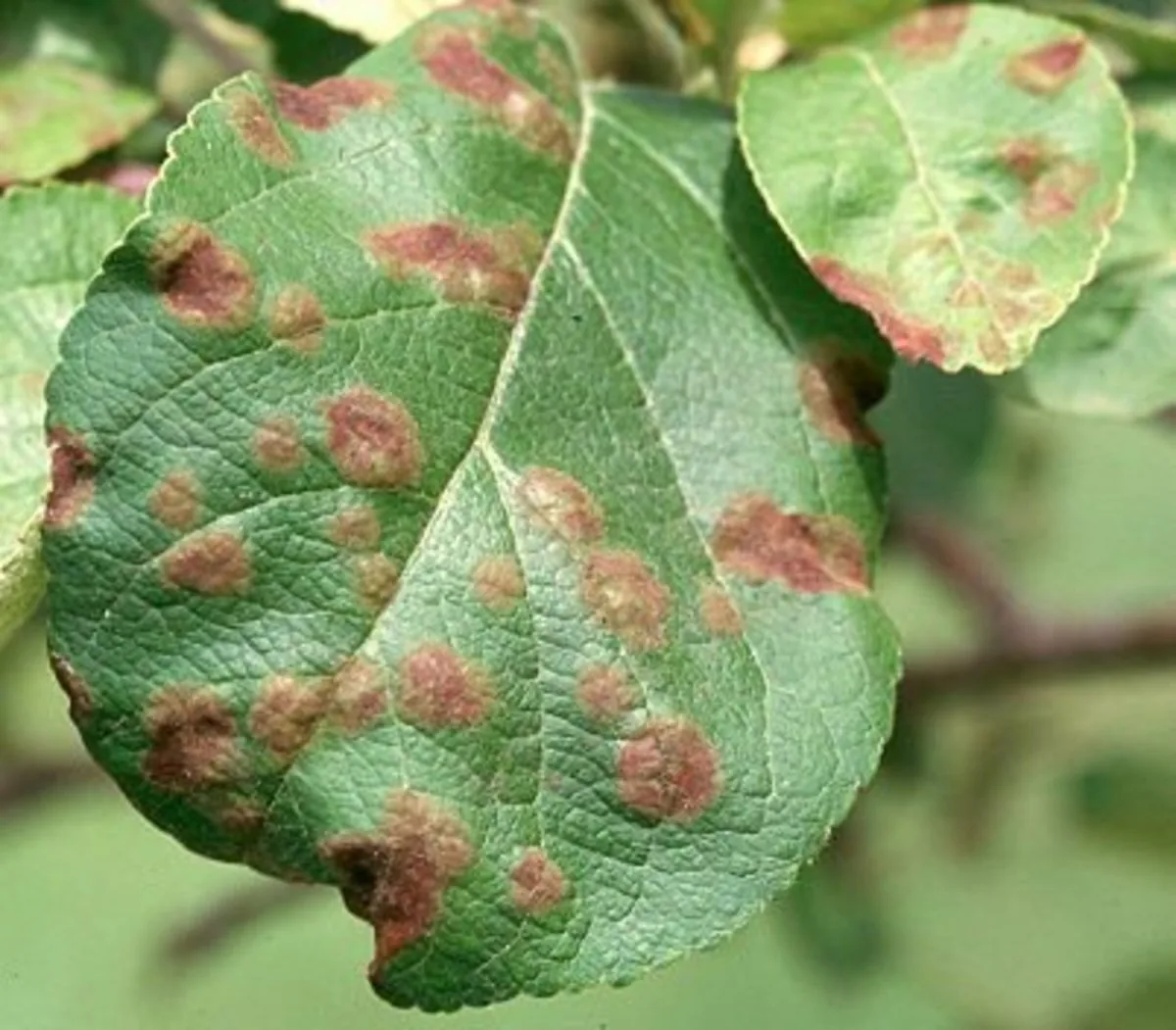
Apple Scab
Venturia inaequalis
If leaves, stems, or fruit suddenly look spotted, sunken, or rotting, apple scab may already be active. This problem often starts small, then spreads across healthy tissue before most growers realize how serious it is. Warmth, moisture, and crowded foliage usually speed it up. Treat early, because waiting even a few days can turn a manageable infection into major crop loss.
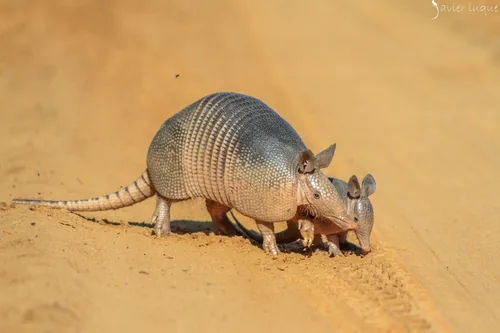
Armadillo
Dasypus novemcinctus
If your garden beds look like something dug random holes overnight — 3 to 5 inches deep, conical, scattered with no pattern — an armadillo was there. They do not eat plants directly. They are after grubs, earthworms, beetle larvae, and soil insects, and they find them by smell, punching through mulch and root zones to get them. A food forest with rich biology and deep mulch is an armadillo paradise. One animal can excavate dozens of holes per night and uproot seedlings, bulbs, and shallow-rooted plants without ever intending to.
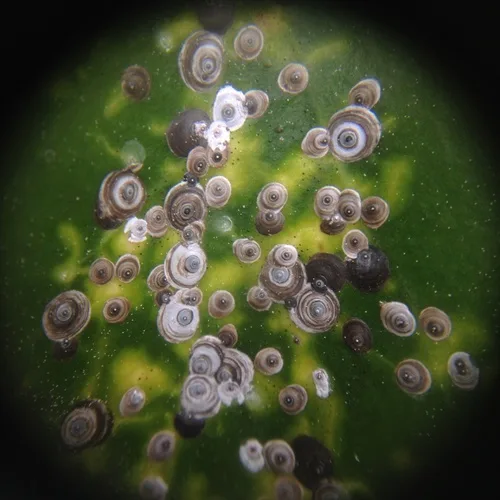
Armored scale
Diaspididae
Armored scales are immobile sap feeders protected by a hard wax cover separate from the insect body. They often look like tiny fish scales or bumps glued along stems and leaf veins. Populations build slowly, then yellowing, die-back, and sooty mold from honeydew-producing partners appear as secondary issues. They are common on woody ornamentals and fruit across humid subtropical to temperate climates.
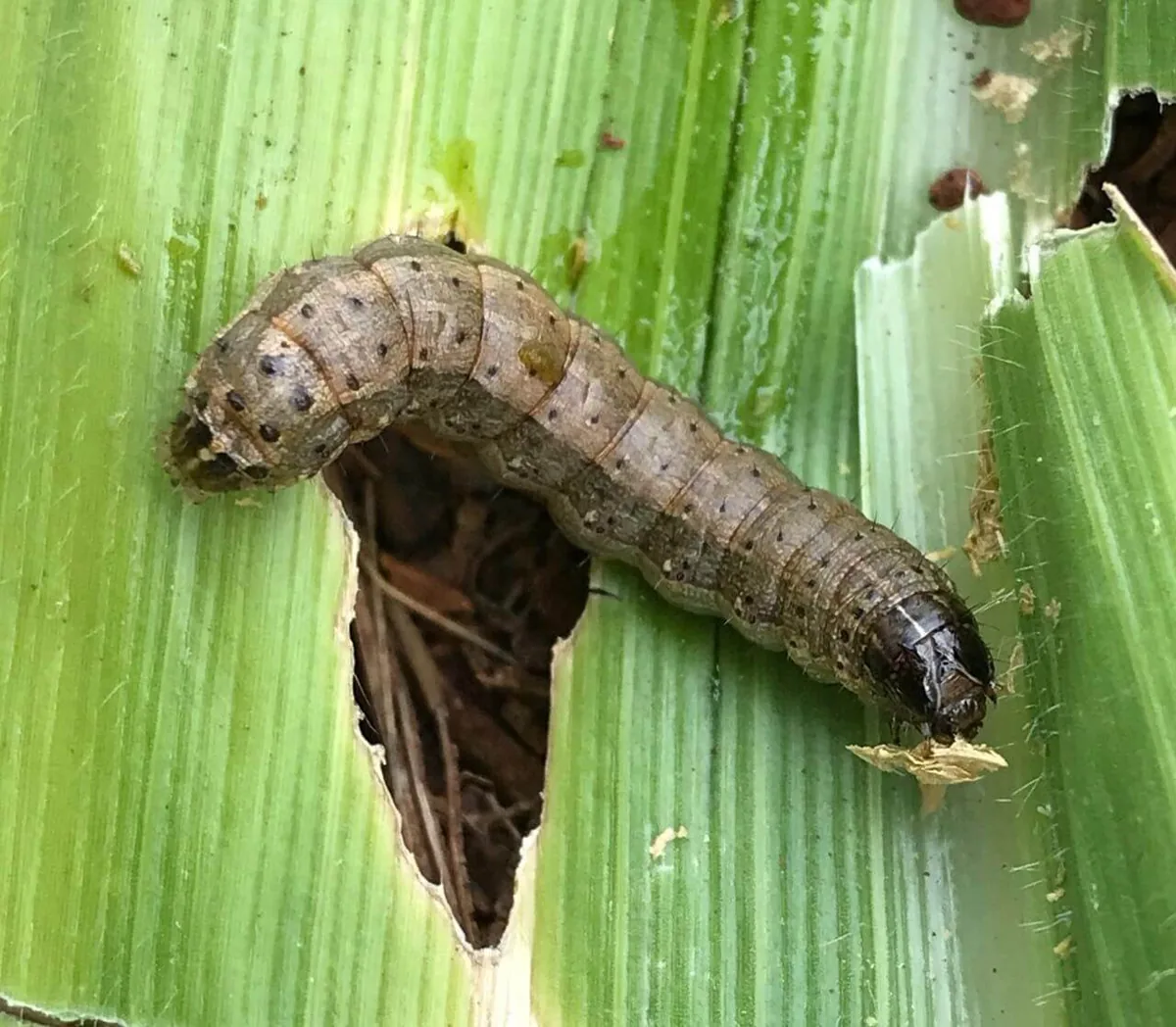
Armyworms
Spodoptera spp.
If leaves look shredded overnight or fruit has fresh chew holes, armyworms may be feeding right now. These larvae can eat fast and strip a healthy plant in a short window. Young stages are easy to miss, then damage suddenly explodes as they grow. Catch them early to avoid severe defoliation and contaminated harvests.
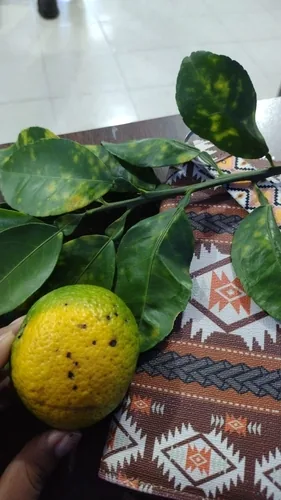
Asian Citrus Psyllid
Diaphorina citri
If new growth is curling, yellowing, sticky, or chewed, asian citrus psyllid may already be on the plant. This pest often builds quietly, then damage appears all at once. Feeding stress weakens growth, reduces yield, and opens the door to secondary disease. Early cleanup is much easier than fighting a full population surge later.
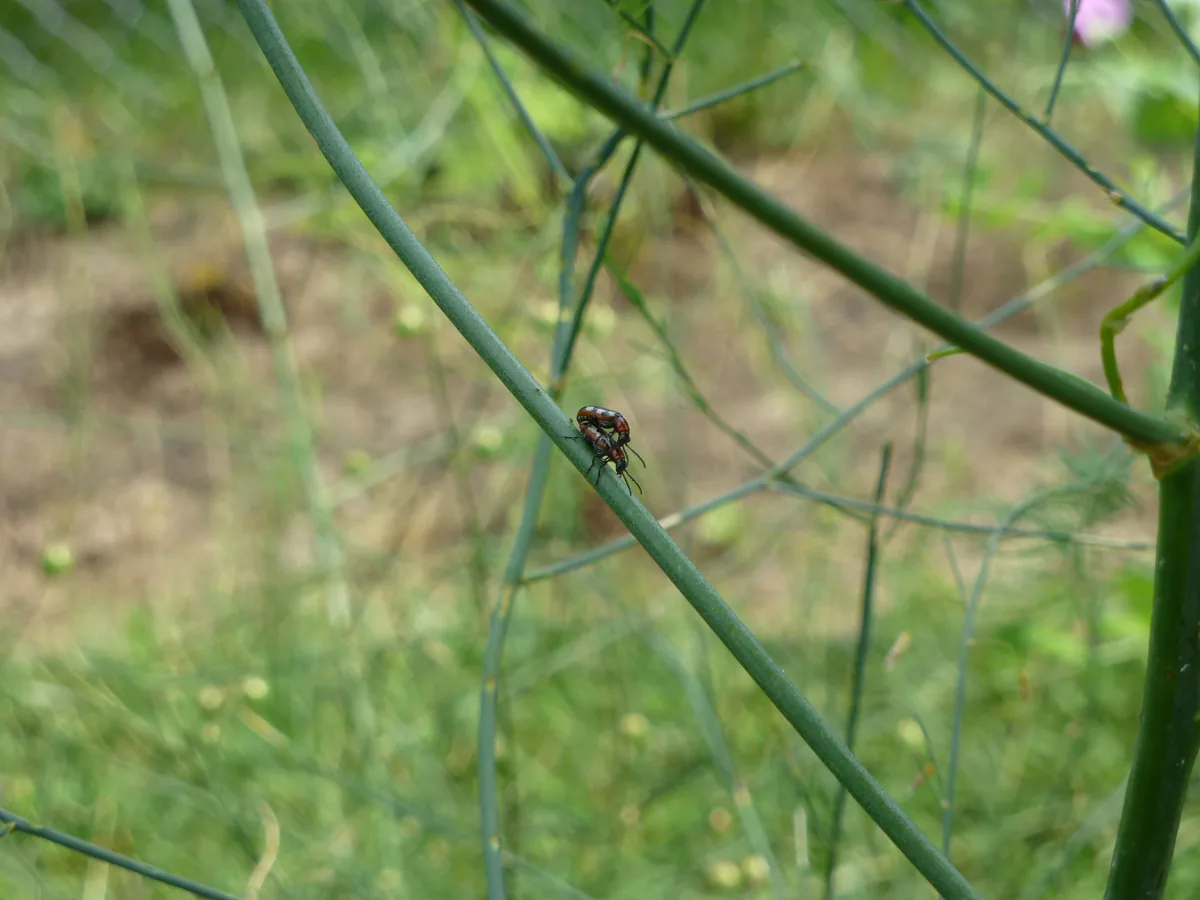
Asparagus Beetle
Crioceris asparagi
If new growth is curling, yellowing, sticky, or chewed, asparagus beetle may already be on the plant. This pest often builds quietly, then damage appears all at once. Feeding stress weakens growth, reduces yield, and opens the door to secondary disease. Early cleanup is much easier than fighting a full population surge later.
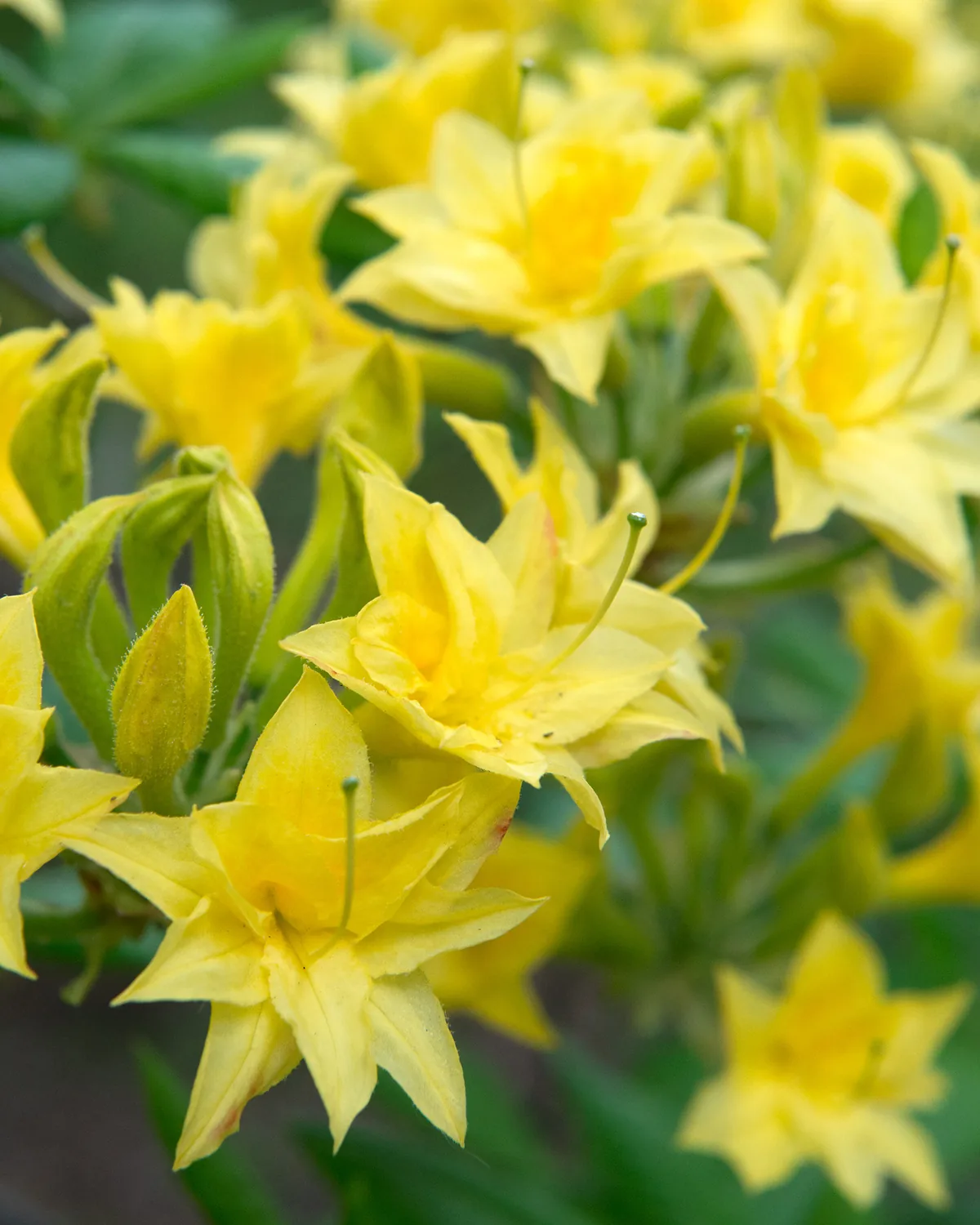
Azalea Caterpillar
Datana major
If leaves look shredded overnight or fruit has fresh chew holes, azalea caterpillar may be feeding right now. These larvae can eat fast and strip a healthy plant in a short window. Young stages are easy to miss, then damage suddenly explodes as they grow. Catch them early to avoid severe defoliation and contaminated harvests.
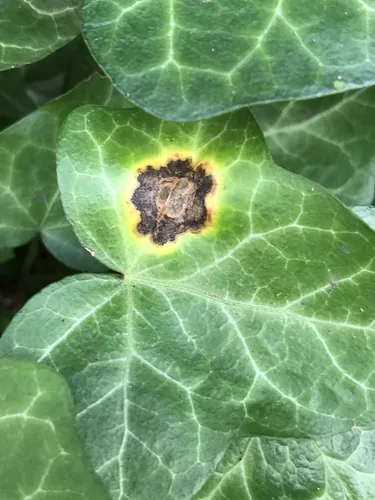
Bacterial Leaf Spot
Xanthomonas spp.
If leaves, stems, or fruit suddenly look spotted, sunken, or rotting, bacterial leaf spot may already be active. This problem often starts small, then spreads across healthy tissue before most growers realize how serious it is. Warmth, moisture, and crowded foliage usually speed it up. Treat early, because waiting even a few days can turn a manageable infection into major crop loss.
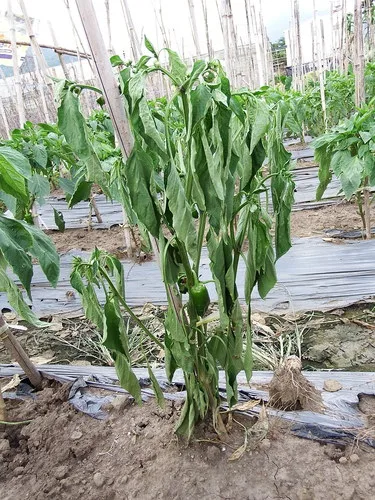
Bacterial wilt
Ralstonia solanacearum species complex
Bacterial wilt clogs xylem so entire branches or plants collapse while foliage may still look oddly green for a day or two. It spreads with soil water, tools, infected transplants, and root contact. Warm, wet soil favors rapid symptom expression in susceptible hosts like tomato, pepper, eggplant, and many ornamentals. There is no cure for an infected plant -- management is exclusion, sanitation, and resistant varieties.
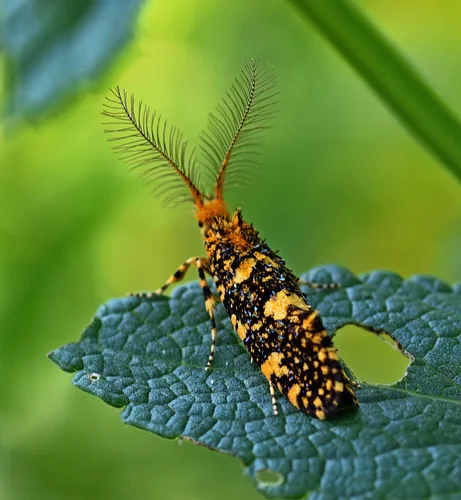
Bagworm
Thyridopteryx ephemeraeformis
If leaves look shredded overnight or fruit has fresh chew holes, bagworm may be feeding right now. These larvae can eat fast and strip a healthy plant in a short window. Young stages are easy to miss, then damage suddenly explodes as they grow. Catch them early to avoid severe defoliation and contaminated harvests.
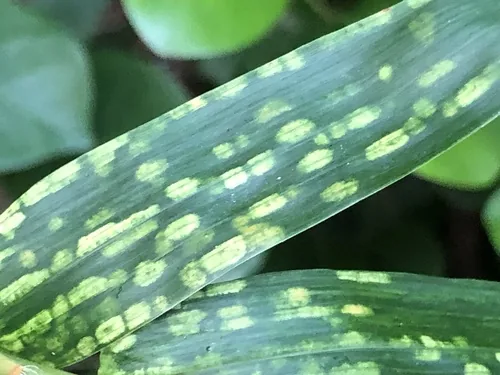
Bamboo Mite
Schizotetranychus longus
If leaves look dusty, speckled, bronzed, or curled without obvious chewing, bamboo mite is a likely suspect. Mites are tiny but can multiply fast, especially during heat and dry air. Plants lose vigor as feeding drains cell contents from leaves and tender growth. Early action matters, because heavy infestations can spread through a bed in days.
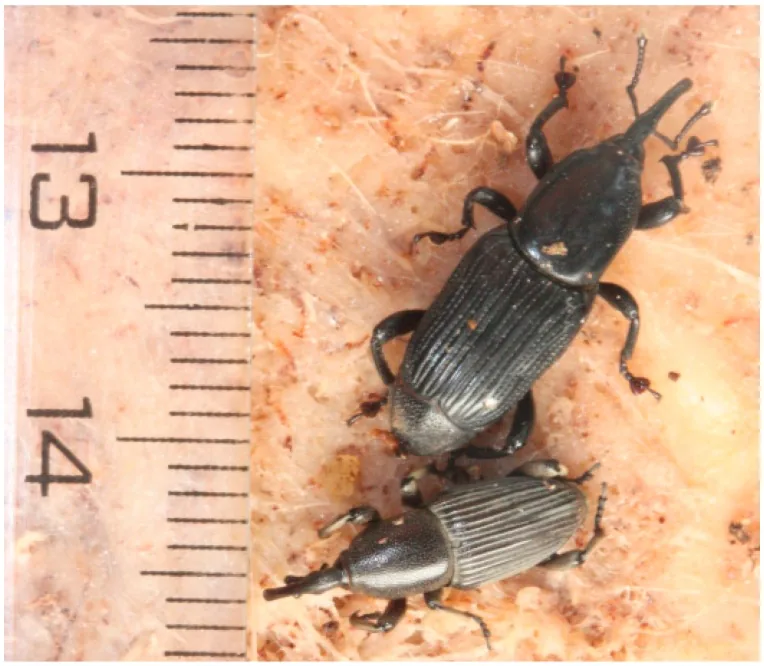
Banana Weevil
Cosmopolites sordidus
If plants are wilting, notching at the edges, or fruit and roots show hidden feeding damage, banana weevil may be the cause. Adults chew above ground while larvae often feed out of sight inside soil, stems, or fruit. Damage builds quietly, then plants crash fast when roots are heavily hit. Act early so a small weevil problem does not become a season-long infestation.
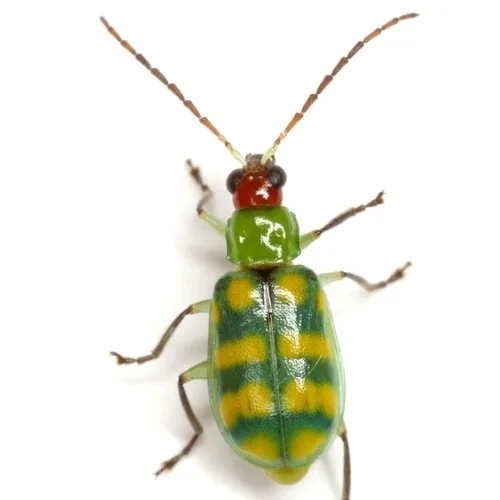
Banded Cucumber Beetle
Diabrotica balteata
If new growth is curling, yellowing, sticky, or chewed, banded cucumber beetle may already be on the plant. This pest often builds quietly, then damage appears all at once. Feeding stress weakens growth, reduces yield, and opens the door to secondary disease. Early cleanup is much easier than fighting a full population surge later.
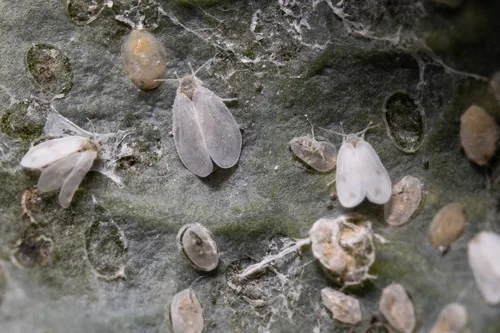
Banded Winged Whitefly
Trialeurodes abutiloneus
If leaves show trails, fruit turns soft, or roots collapse from inside, banded winged whitefly may already be feeding. The larval stage does most of the damage, often hidden where you cannot see it at first glance. By the time yellowing or rot appears, feeding may be well underway. Move quickly when symptoms begin to prevent another wave of eggs and larvae.
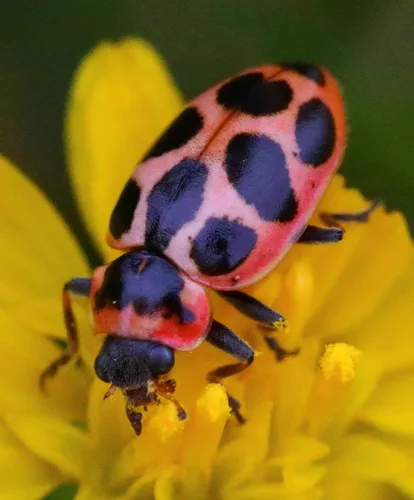
Bark beetles
Curculionidae (Scolytinae)
Bark beetles are small cylindrical weevils that breed in phloem beneath bark of conifers and many hardwoods. Outbreaks follow drought, windthrow, or dense stocking that weakens trees. First symptoms include fading crown color, fine reddish boring dust in bark plates, and pitch tubes on conifers where resin pushes beetles out. They are a forestry and orchard-edge concern from cool temperate mountains to subtropical pine plantings.
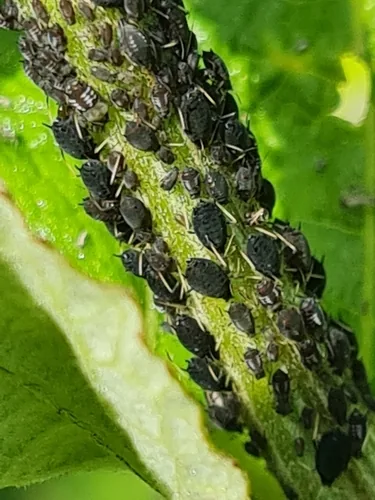
Bean Aphid
Aphis fabae
If new growth is curling, yellowing, sticky, or chewed, bean aphid may already be on the plant. This pest often builds quietly, then damage appears all at once. Feeding stress weakens growth, reduces yield, and opens the door to secondary disease. Early cleanup is much easier than fighting a full population surge later.
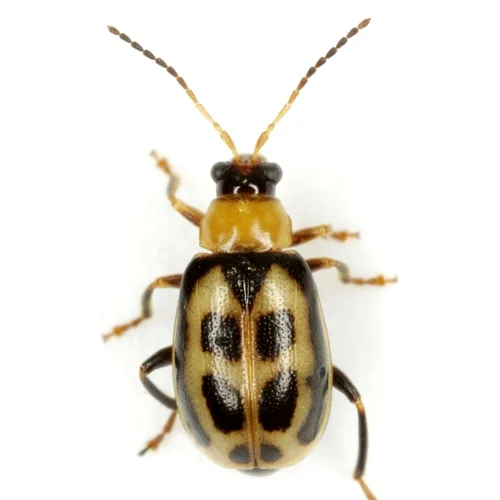
Bean Leaf Beetle
Cerotoma trifurcata
If new growth is curling, yellowing, sticky, or chewed, bean leaf beetle may already be on the plant. This pest often builds quietly, then damage appears all at once. Feeding stress weakens growth, reduces yield, and opens the door to secondary disease. Early cleanup is much easier than fighting a full population surge later.
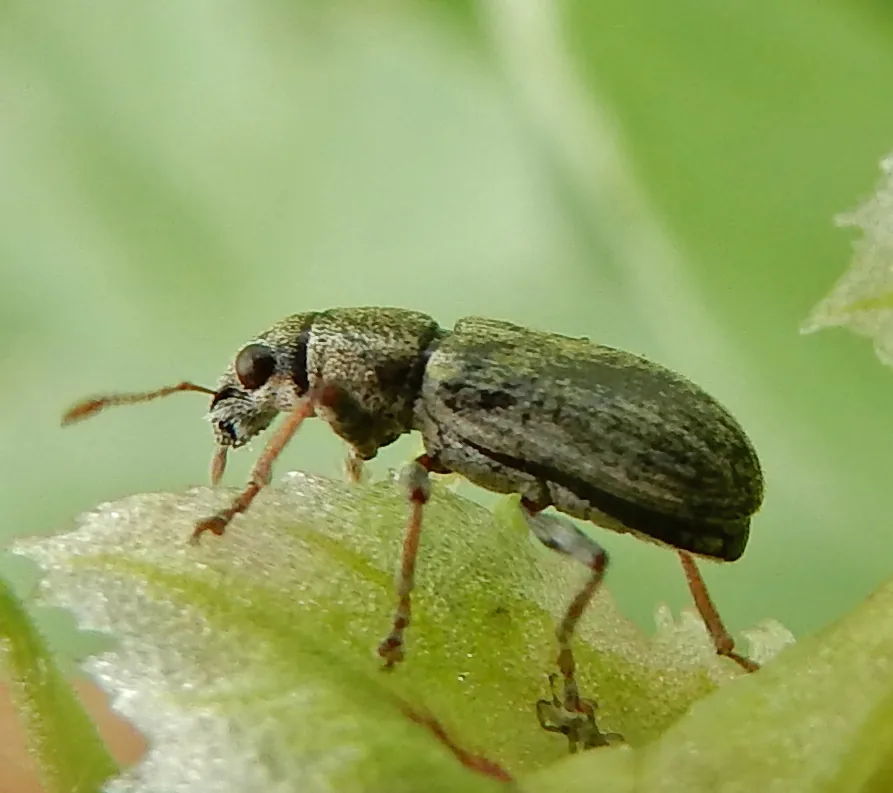
Bean Weevil
Acanthoscelides obtectus
If plants are wilting, notching at the edges, or fruit and roots show hidden feeding damage, bean weevil may be the cause. Adults chew above ground while larvae often feed out of sight inside soil, stems, or fruit. Damage builds quietly, then plants crash fast when roots are heavily hit. Act early so a small weevil problem does not become a season-long infestation.
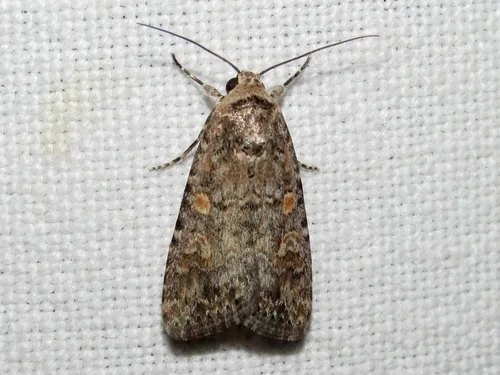
Beet Armyworm
Spodoptera exigua
If leaves look shredded overnight or fruit has fresh chew holes, beet armyworm may be feeding right now. These larvae can eat fast and strip a healthy plant in a short window. Young stages are easy to miss, then damage suddenly explodes as they grow. Catch them early to avoid severe defoliation and contaminated harvests.
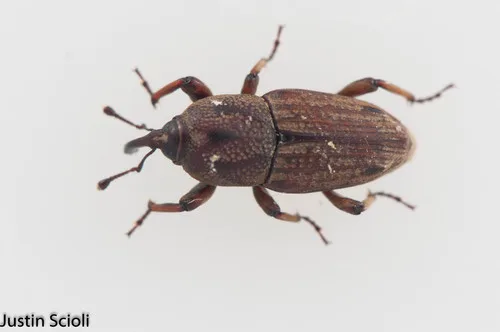
Billbugs
Sphenophorus spp.
Billbugs are weevils whose legless grubs tunnel inside grass stems and crowns, causing scattered dead patches that resemble drought or pet urine spots. Adults notch leaf blades with their snouts in spring before laying eggs in sheaths. Damage peaks in warm months when larvae hollow stolons. They occur on turf and some pasture grasses across much of North America and similar temperate grass regions.
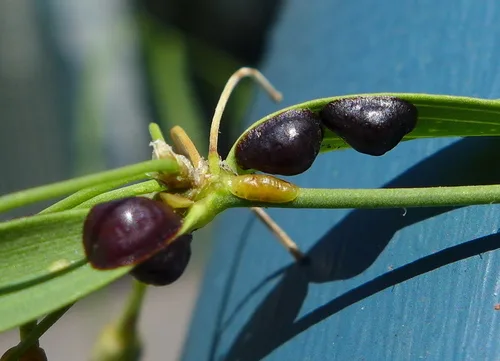
Black scale
Saissetia oleae
Black scale is a hemipteran soft scale that clamps onto twigs and leaf veins and withdraws phloem sap for long periods. Heavy infestations weaken shoots, reduce fruit size on olives and citrus relatives, and support sooty mold from honeydew. Populations surge when ants protect scales from predators or when dusty roadside trees lack beneficial wash from rain. It is widespread in Mediterranean, subtropical, and mild temperate climates wherever hosts are grown.
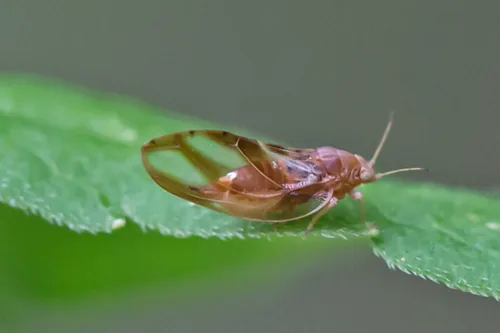
Blackberry Psyllid
Cacopsylla curvata
If new growth is curling, yellowing, sticky, or chewed, blackberry psyllid may already be on the plant. This pest often builds quietly, then damage appears all at once. Feeding stress weakens growth, reduces yield, and opens the door to secondary disease. Early cleanup is much easier than fighting a full population surge later.
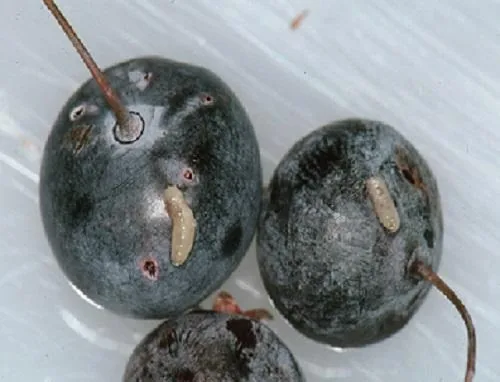
Blueberry Maggot
Rhagoletis mendax
If leaves show trails, fruit turns soft, or roots collapse from inside, blueberry maggot may already be feeding. The larval stage does most of the damage, often hidden where you cannot see it at first glance. By the time yellowing or rot appears, feeding may be well underway. Move quickly when symptoms begin to prevent another wave of eggs and larvae.
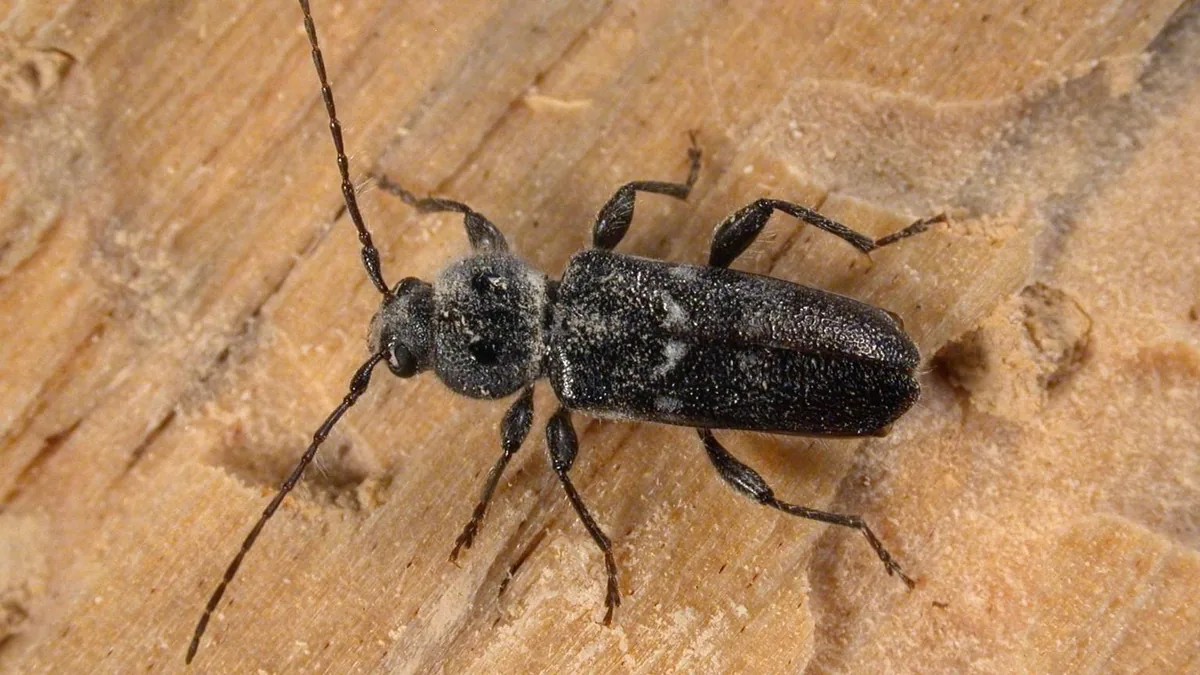
Borers
Various (e.g., Cerambycidae, Sesiidae)
If new growth is curling, yellowing, sticky, or chewed, borers may already be on the plant. This pest often builds quietly, then damage appears all at once. Feeding stress weakens growth, reduces yield, and opens the door to secondary disease. Early cleanup is much easier than fighting a full population surge later.
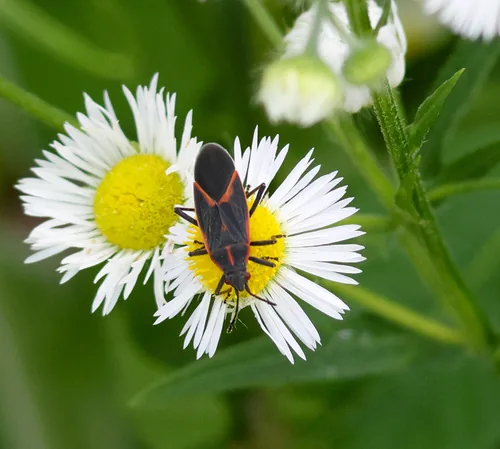
Boxelder Bug
Boisea trivittata
If new growth is curling, yellowing, sticky, or chewed, boxelder bug may already be on the plant. This pest often builds quietly, then damage appears all at once. Feeding stress weakens growth, reduces yield, and opens the door to secondary disease. Early cleanup is much easier than fighting a full population surge later.
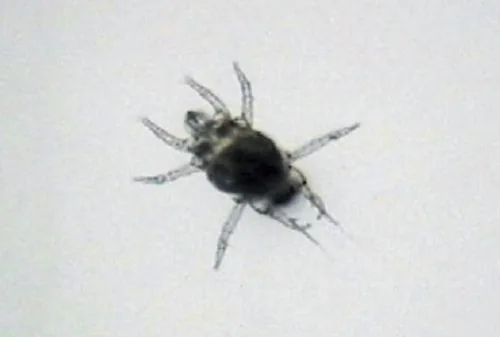
Broad Mite
Polyphagotarsonemus latus
If leaves look dusty, speckled, bronzed, or curled without obvious chewing, broad mite is a likely suspect. Mites are tiny but can multiply fast, especially during heat and dry air. Plants lose vigor as feeding drains cell contents from leaves and tender growth. Early action matters, because heavy infestations can spread through a bed in days.
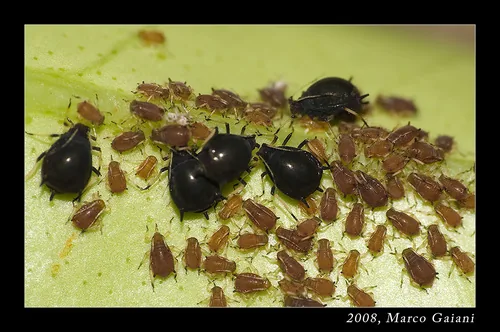
Brown Citrus Aphid
Toxoptera citricida
If new growth is curling, yellowing, sticky, or chewed, brown citrus aphid may already be on the plant. This pest often builds quietly, then damage appears all at once. Feeding stress weakens growth, reduces yield, and opens the door to secondary disease. Early cleanup is much easier than fighting a full population surge later.
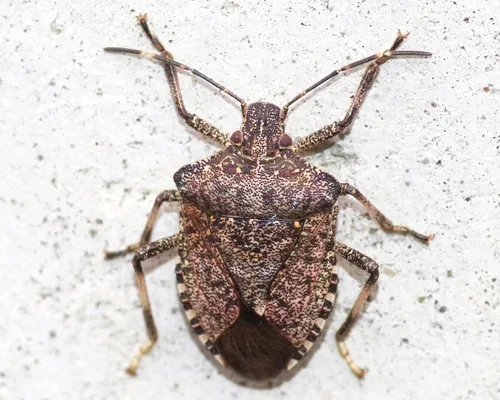
Brown Marmorated Stink Bug
Halyomorpha halys
If new growth is curling, yellowing, sticky, or chewed, brown marmorated stink bug may already be on the plant. This pest often builds quietly, then damage appears all at once. Feeding stress weakens growth, reduces yield, and opens the door to secondary disease. Early cleanup is much easier than fighting a full population surge later.
Brown Rot
Monilinia fructicola
If leaves, stems, or fruit suddenly look spotted, sunken, or rotting, brown rot may already be active. This problem often starts small, then spreads across healthy tissue before most growers realize how serious it is. Warmth, moisture, and crowded foliage usually speed it up. Treat early, because waiting even a few days can turn a manageable infection into major crop loss.
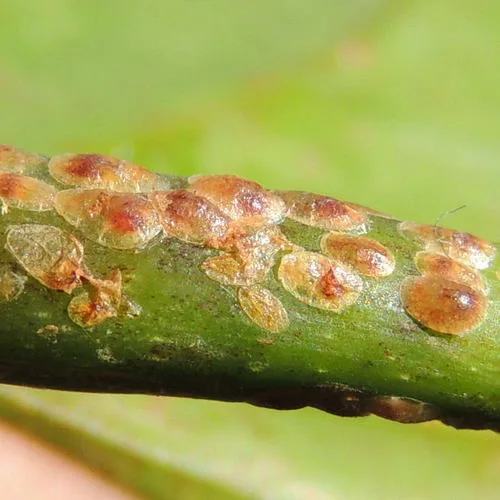
Brown soft scale
Coccus hesperidum
Brown soft scale is a common greenhouse and landscape soft scale with a flexible brown oval cover fused to the insect body. It excretes honeydew that grows sooty mold and attracts ants. Feeding weakens houseplants, citrus, and many broadleaf ornamentals. Outbreaks often follow systemic stress, dusty foliage, or repeated broad-spectrum sprays that remove predators.
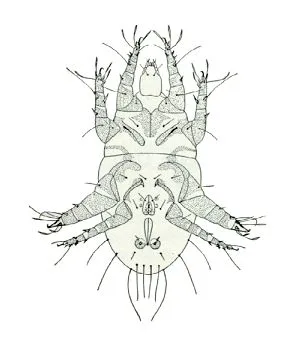
Bulb mites
Rhizoglyphus spp.
Bulb mites are microscopic acarids that feed on stored bulbs, garlic cloves, onion sets, and sometimes roots in the field. Infested planting stock feels spongy, sprouts weakly, or rots from secondary fungi. Damage is easy to blame on basal rot or poor drainage until you see fine brown dust at the base of scales. They spread on contaminated soil, culls, and shared harvest bins.
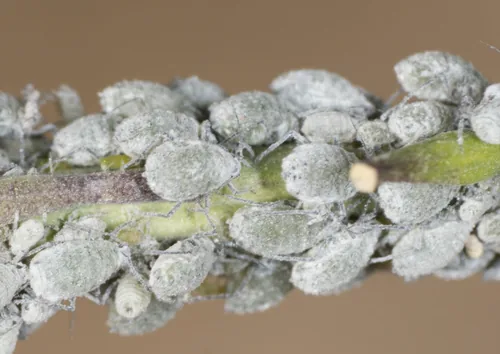
Cabbage Aphid
Brevicoryne brassicae
If new growth is curling, yellowing, sticky, or chewed, cabbage aphid may already be on the plant. This pest often builds quietly, then damage appears all at once. Feeding stress weakens growth, reduces yield, and opens the door to secondary disease. Early cleanup is much easier than fighting a full population surge later.
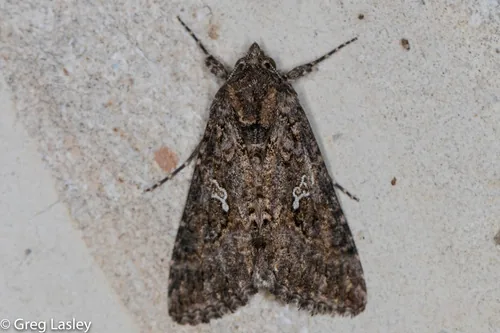
Cabbage Looper
Trichoplusia ni
If leaves look shredded overnight or fruit has fresh chew holes, cabbage looper may be feeding right now. These larvae can eat fast and strip a healthy plant in a short window. Young stages are easy to miss, then damage suddenly explodes as they grow. Catch them early to avoid severe defoliation and contaminated harvests.
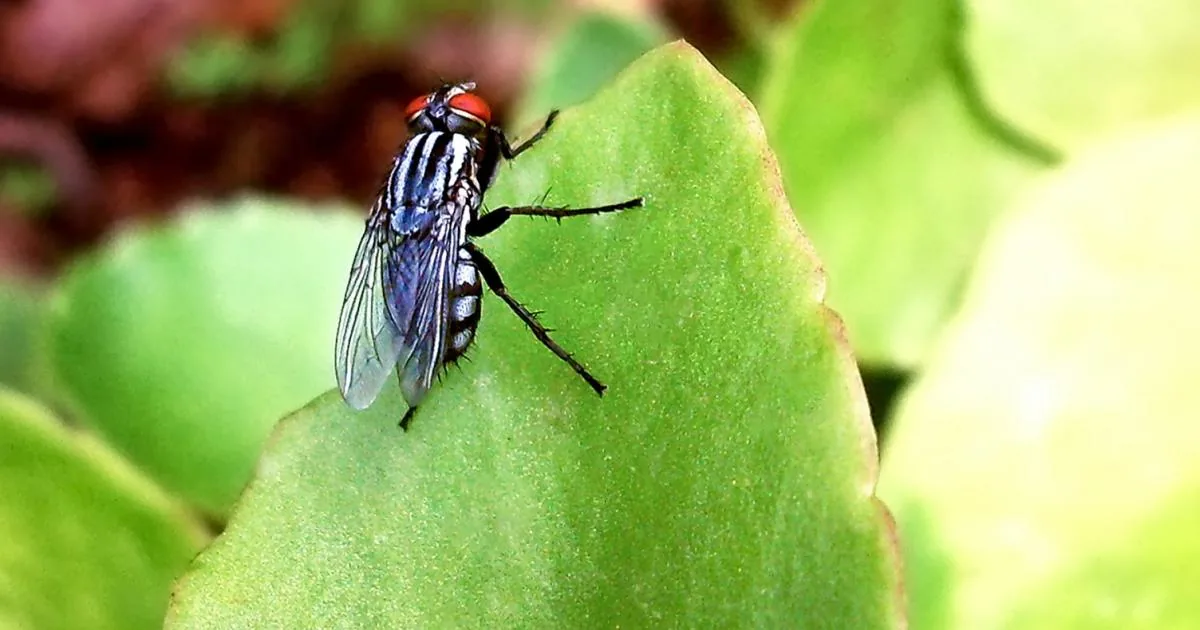
Cabbage Root Fly
Delia radicum
If leaves show trails, fruit turns soft, or roots collapse from inside, cabbage root fly may already be feeding. The larval stage does most of the damage, often hidden where you cannot see it at first glance. By the time yellowing or rot appears, feeding may be well underway. Move quickly when symptoms begin to prevent another wave of eggs and larvae.
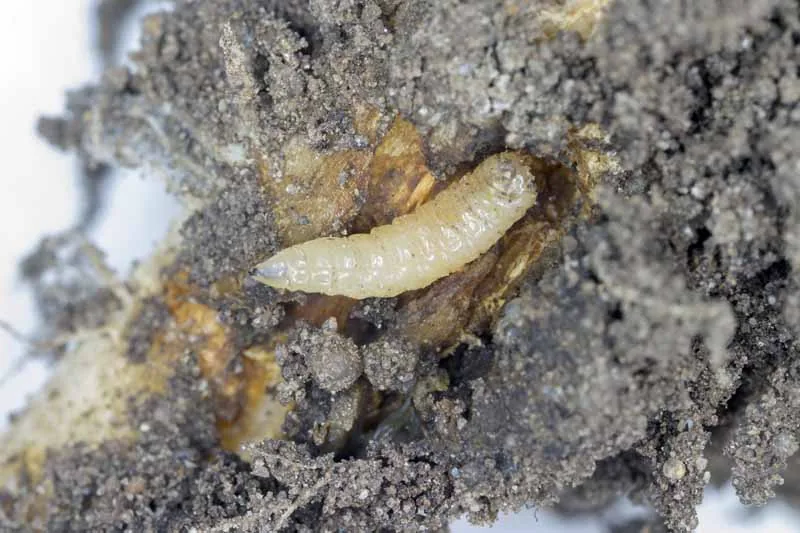
Cabbage Root Maggots
Delia radicum
If leaves show trails, fruit turns soft, or roots collapse from inside, cabbage root maggots may already be feeding. The larval stage does most of the damage, often hidden where you cannot see it at first glance. By the time yellowing or rot appears, feeding may be well underway. Move quickly when symptoms begin to prevent another wave of eggs and larvae.
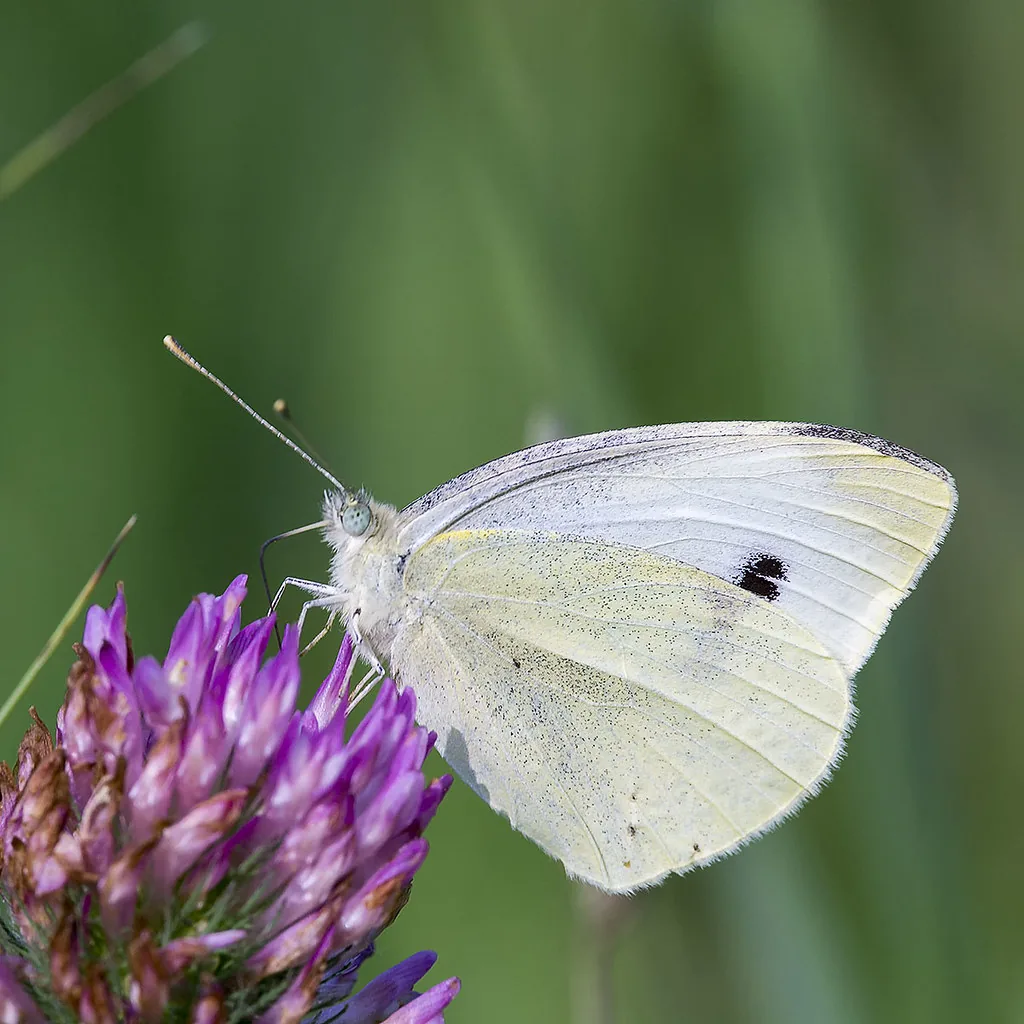
Cabbage White Butterflies
Pieris rapae
If new growth is curling, yellowing, sticky, or chewed, cabbage white butterflies may already be on the plant. This pest often builds quietly, then damage appears all at once. Feeding stress weakens growth, reduces yield, and opens the door to secondary disease. Early cleanup is much easier than fighting a full population surge later.
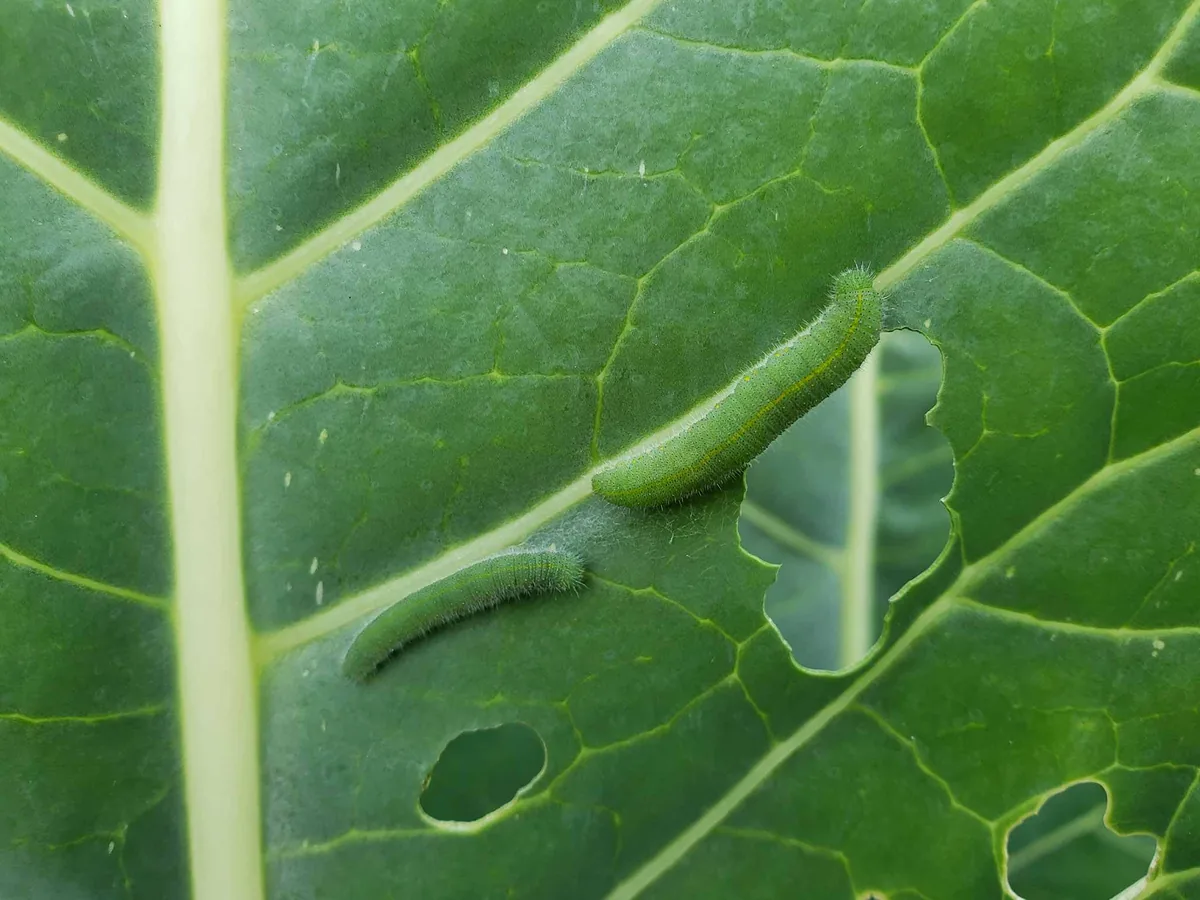
Cabbage Worms
Pieris rapae
If leaves look shredded overnight or fruit has fresh chew holes, cabbage worms may be feeding right now. These larvae can eat fast and strip a healthy plant in a short window. Young stages are easy to miss, then damage suddenly explodes as they grow. Catch them early to avoid severe defoliation and contaminated harvests.
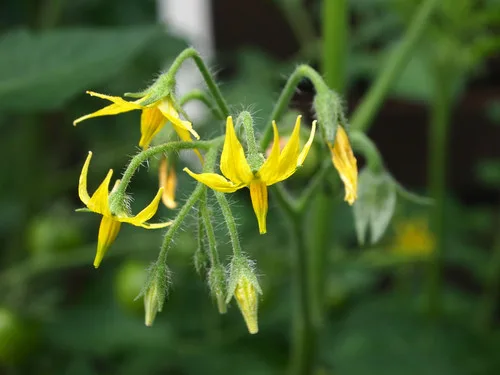
Calcium deficiency
Physiological disorder (Ca)
Calcium deficiency shows as new tissue damage while older leaves still look relatively normal because calcium is not mobile inside the plant. Classic signs include blossom end rot on fruiting crops, blackened young leaf margins, and distorted root tips. It is often triggered by uneven soil moisture even when soil tests show adequate calcium, because uptake is passive with transpiration flow. Hot dry spells and fast growth flushes make symptoms appear overnight.
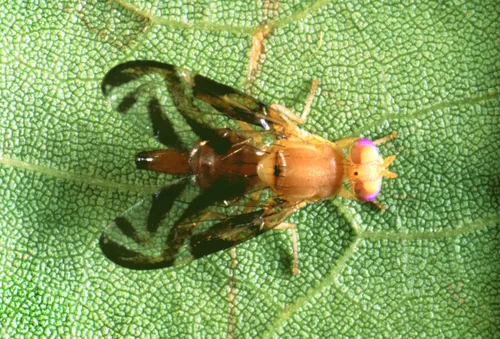
Caribbean Fruit Fly
Anastrepha suspensa
If leaves show trails, fruit turns soft, or roots collapse from inside, caribbean fruit fly may already be feeding. The larval stage does most of the damage, often hidden where you cannot see it at first glance. By the time yellowing or rot appears, feeding may be well underway. Move quickly when symptoms begin to prevent another wave of eggs and larvae.
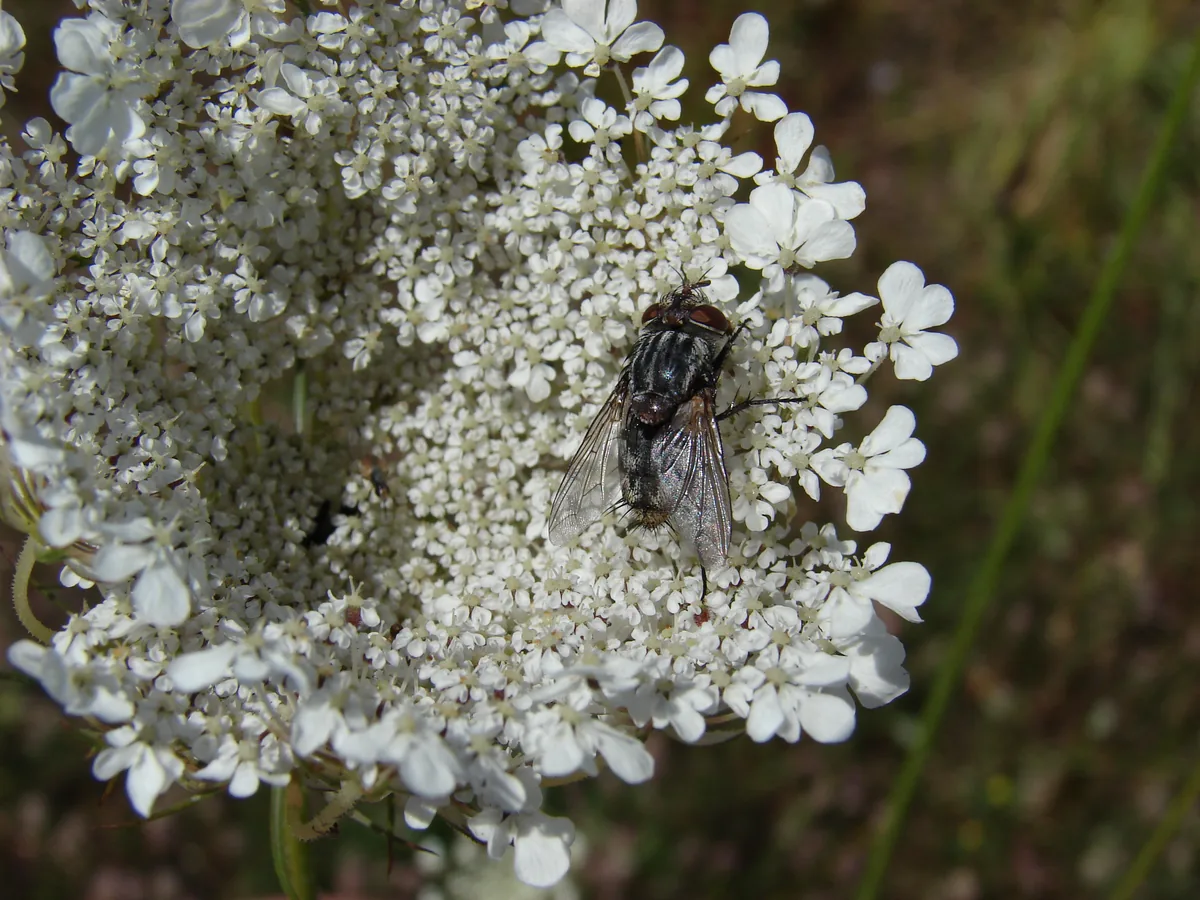
Carrot Fly
Psila rosae
If leaves, stems, or fruit suddenly look spotted, sunken, or rotting, carrot fly may already be active. This problem often starts small, then spreads across healthy tissue before most growers realize how serious it is. Warmth, moisture, and crowded foliage usually speed it up. Treat early, because waiting even a few days can turn a manageable infection into major crop loss.
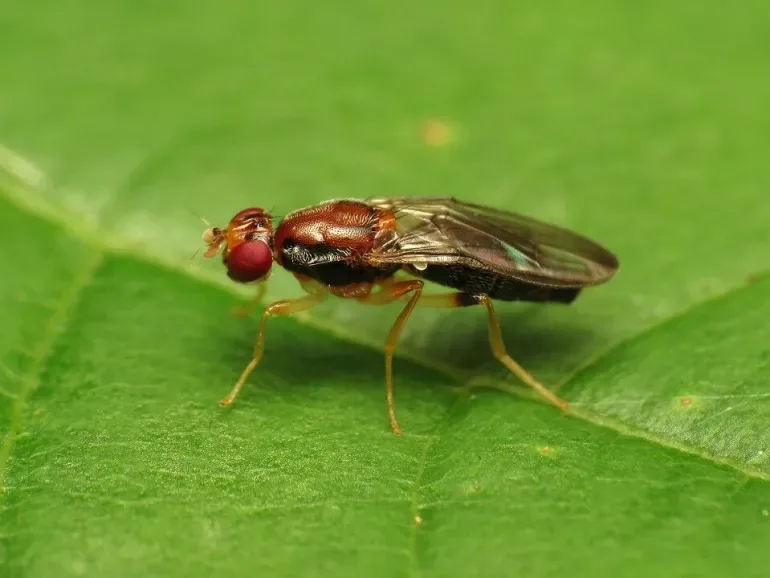
Carrot Rust Fly
Psila rosae
If leaves, stems, or fruit suddenly look spotted, sunken, or rotting, carrot rust fly may already be active. This problem often starts small, then spreads across healthy tissue before most growers realize how serious it is. Warmth, moisture, and crowded foliage usually speed it up. Treat early, because waiting even a few days can turn a manageable infection into major crop loss.
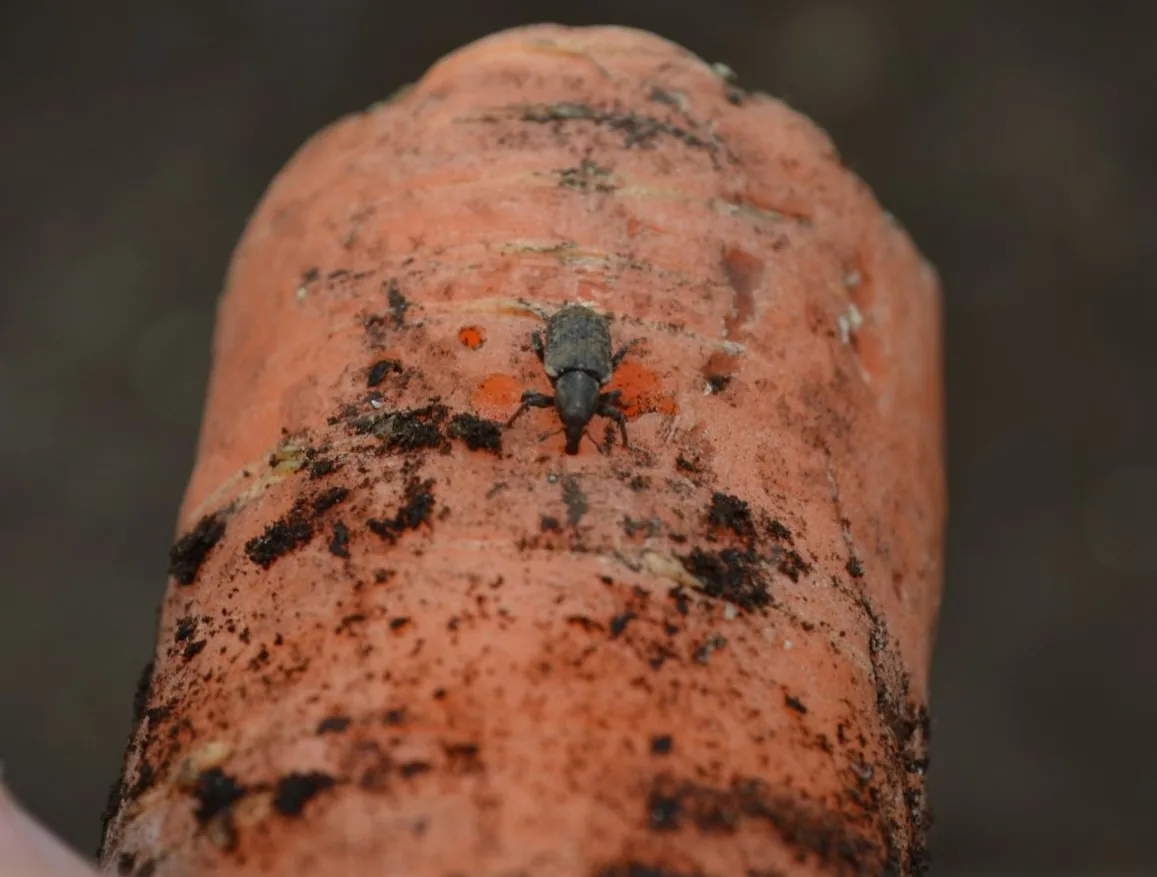
Carrot Weevil
Listronotus oregonensis
If leaves, stems, or fruit suddenly look spotted, sunken, or rotting, carrot weevil may already be active. This problem often starts small, then spreads across healthy tissue before most growers realize how serious it is. Warmth, moisture, and crowded foliage usually speed it up. Treat early, because waiting even a few days can turn a manageable infection into major crop loss.
Cassava Green Mite
Mononychellus tanajoa
If leaves look dusty, speckled, bronzed, or curled without obvious chewing, cassava green mite is a likely suspect. Mites are tiny but can multiply fast, especially during heat and dry air. Plants lose vigor as feeding drains cell contents from leaves and tender growth. Early action matters, because heavy infestations can spread through a bed in days.
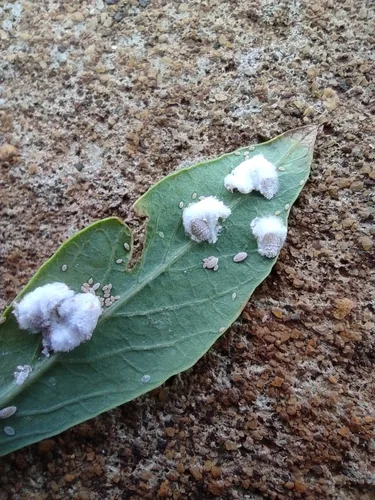
Cassava Mealybug
Phenacoccus manihoti
If new growth is curling, yellowing, sticky, or chewed, cassava mealybug may already be on the plant. This pest often builds quietly, then damage appears all at once. Feeding stress weakens growth, reduces yield, and opens the door to secondary disease. Early cleanup is much easier than fighting a full population surge later.
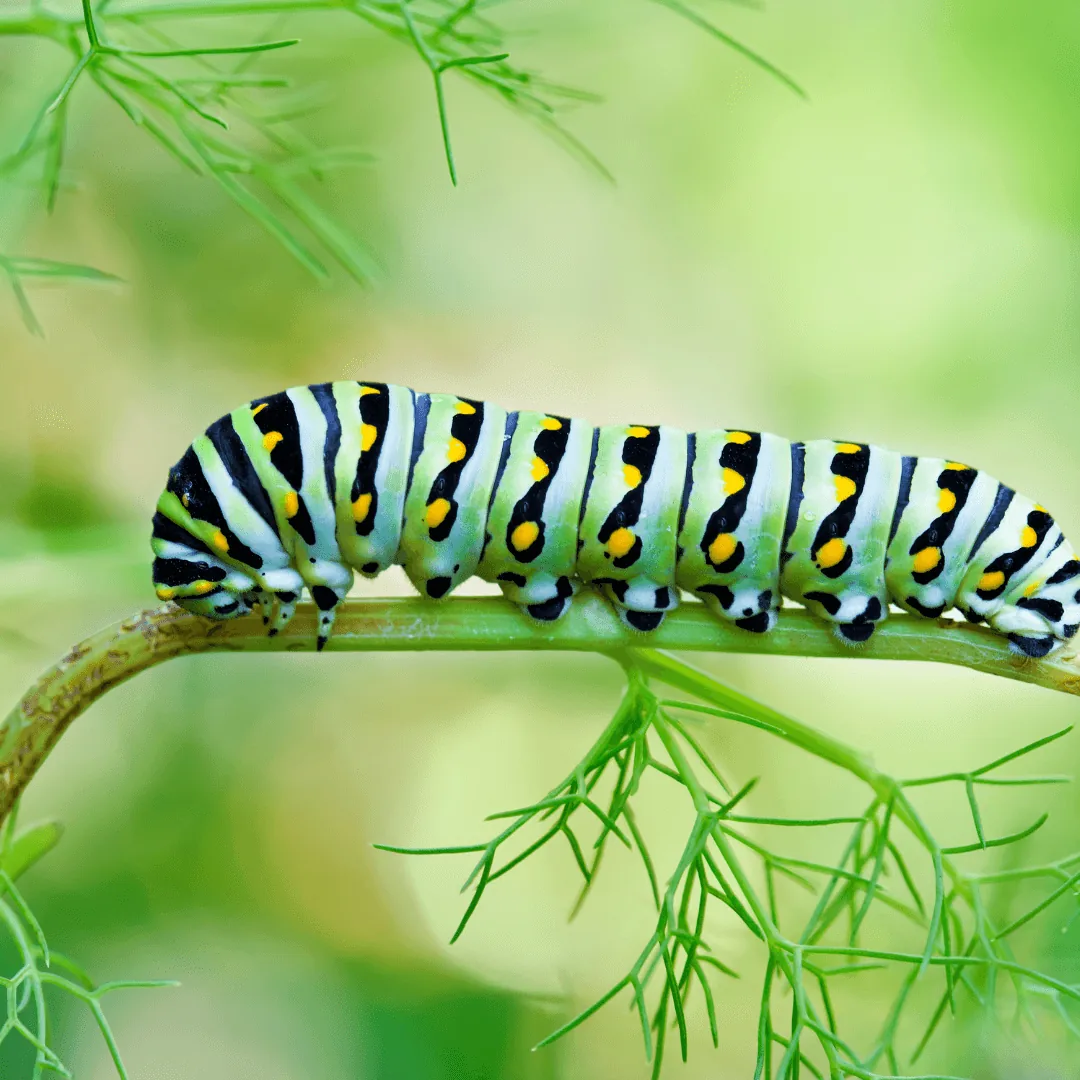
Caterpillars
Lepidoptera Larvae
If leaves look shredded overnight or fruit has fresh chew holes, caterpillars may be feeding right now. These larvae can eat fast and strip a healthy plant in a short window. Young stages are easy to miss, then damage suddenly explodes as they grow. Catch them early to avoid severe defoliation and contaminated harvests.
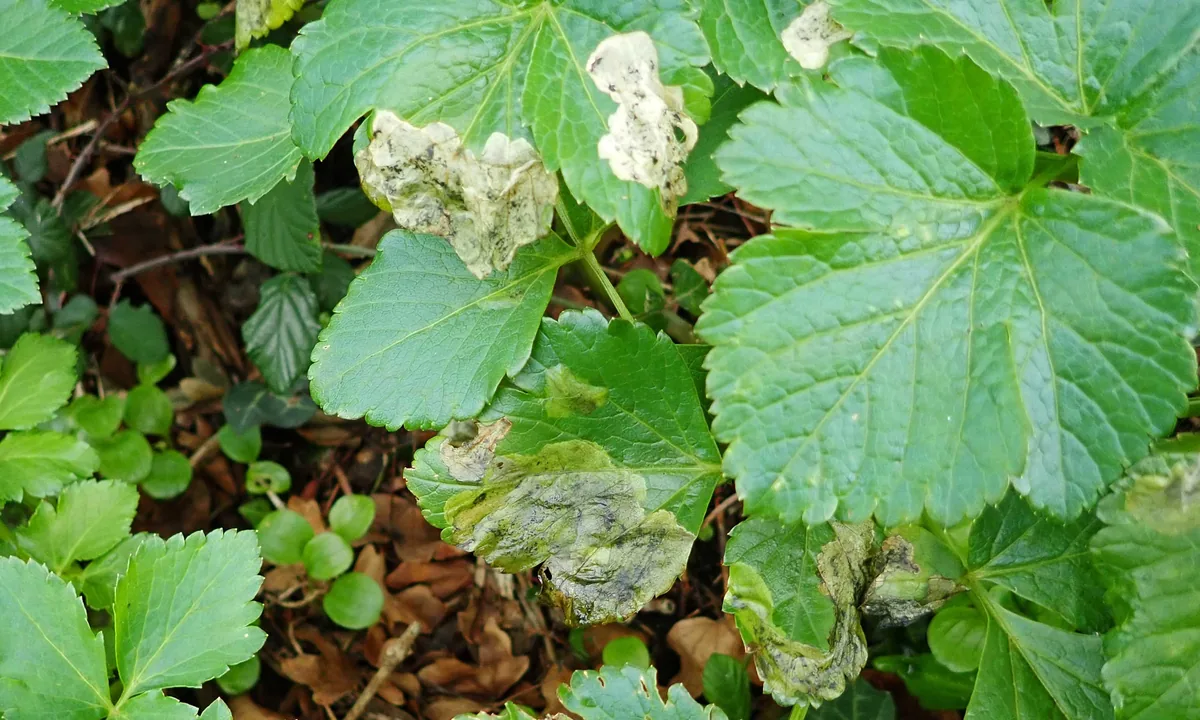
Celery Leaf Miner
Gracillariidae sp.
If new growth is curling, yellowing, sticky, or chewed, celery leaf miner may already be on the plant. This pest often builds quietly, then damage appears all at once. Feeding stress weakens growth, reduces yield, and opens the door to secondary disease. Early cleanup is much easier than fighting a full population surge later.
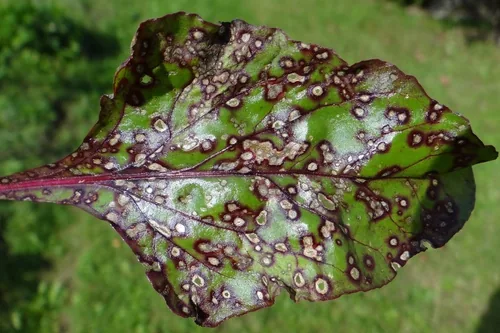
Cercospora Leaf Spot
Cercospora spp.
If leaves, stems, or fruit suddenly look spotted, sunken, or rotting, cercospora leaf spot may already be active. This problem often starts small, then spreads across healthy tissue before most growers realize how serious it is. Warmth, moisture, and crowded foliage usually speed it up. Treat early, because waiting even a few days can turn a manageable infection into major crop loss.
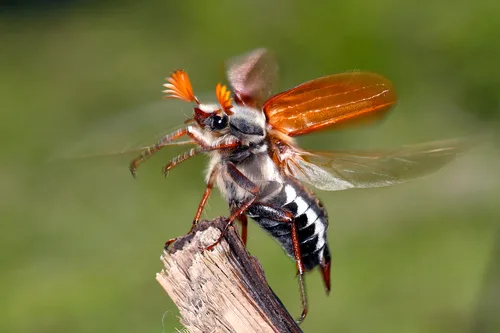
Chafer grubs
Scarabaeidae (Melolonthinae, Rutelinae, Cetoniinae)
Chafer grubs are creamy white scarab larvae with brown heads and legs arranged in a C-shape, living in soil and feeding on roots. Turf browns in irregular patches that lift like loose carpet when grubs sever stolons. Adult chafers are often nocturnal beetles seen around porch lights during emergence flights. Damage peaks in warm months across temperate lawns, pastures, and vegetable beds with high organic matter.
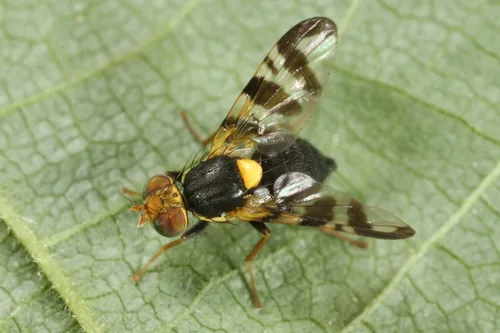
Cherry Fruit Fly
Rhagoletis cingulata
If leaves show trails, fruit turns soft, or roots collapse from inside, cherry fruit fly may already be feeding. The larval stage does most of the damage, often hidden where you cannot see it at first glance. By the time yellowing or rot appears, feeding may be well underway. Move quickly when symptoms begin to prevent another wave of eggs and larvae.
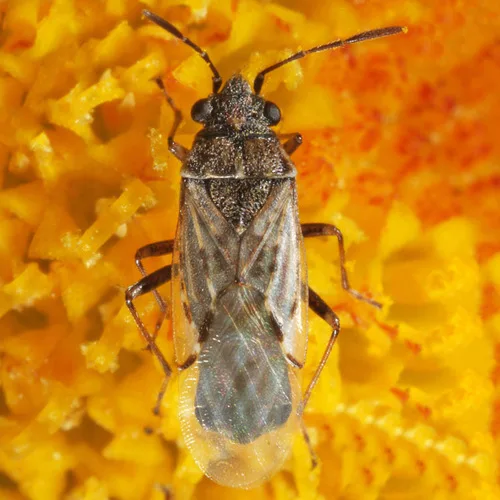
Chinch bugs
Blissus spp.
Chinch bugs are small true bugs that pierce grass blades and inject enzymes that disrupt water movement. Damage shows as spreading yellow or brown patches in sunniest parts of lawns, often mistaken for drought. Hot dry weather accelerates injury while populations can still be active where thatch stays humid. They occur on many turfgrass species across temperate North America and similar climates.
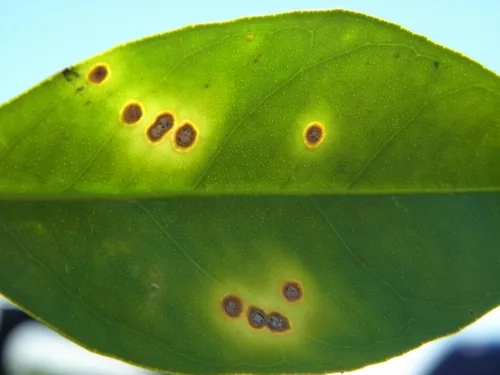
Citrus Canker
Xanthomonas citri subsp. citri
If leaves, stems, or fruit suddenly look spotted, sunken, or rotting, citrus canker may already be active. This problem often starts small, then spreads across healthy tissue before most growers realize how serious it is. Warmth, moisture, and crowded foliage usually speed it up. Treat early, because waiting even a few days can turn a manageable infection into major crop loss.
Citrus Greening
Candidatus Liberibacter asiaticus
If leaves, stems, or fruit suddenly look spotted, sunken, or rotting, citrus greening may already be active. This problem often starts small, then spreads across healthy tissue before most growers realize how serious it is. Warmth, moisture, and crowded foliage usually speed it up. Treat early, because waiting even a few days can turn a manageable infection into major crop loss.
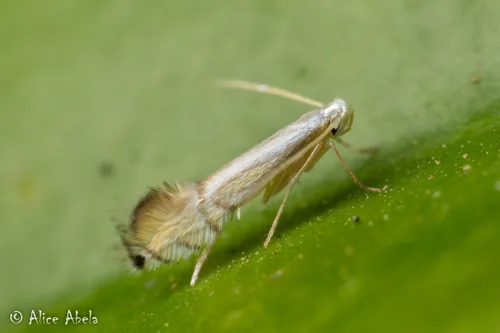
Citrus Leafminer
Phyllocnistis citrella
If new growth is curling, yellowing, sticky, or chewed, citrus leafminer may already be on the plant. This pest often builds quietly, then damage appears all at once. Feeding stress weakens growth, reduces yield, and opens the door to secondary disease. Early cleanup is much easier than fighting a full population surge later.
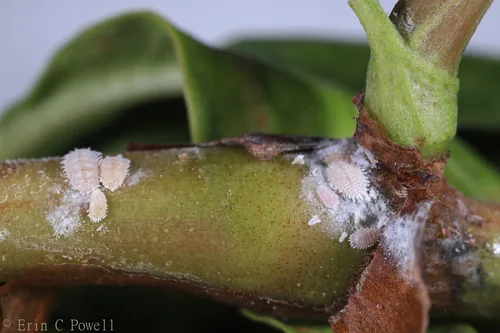
Citrus Mealybug
Planococcus citri
If new growth is curling, yellowing, sticky, or chewed, citrus mealybug may already be on the plant. This pest often builds quietly, then damage appears all at once. Feeding stress weakens growth, reduces yield, and opens the door to secondary disease. Early cleanup is much easier than fighting a full population surge later.
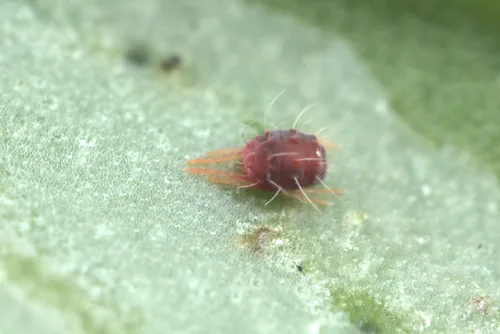
Citrus Red Mite
Panonychus citri
If leaves look dusty, speckled, bronzed, or curled without obvious chewing, citrus red mite is a likely suspect. Mites are tiny but can multiply fast, especially during heat and dry air. Plants lose vigor as feeding drains cell contents from leaves and tender growth. Early action matters, because heavy infestations can spread through a bed in days.
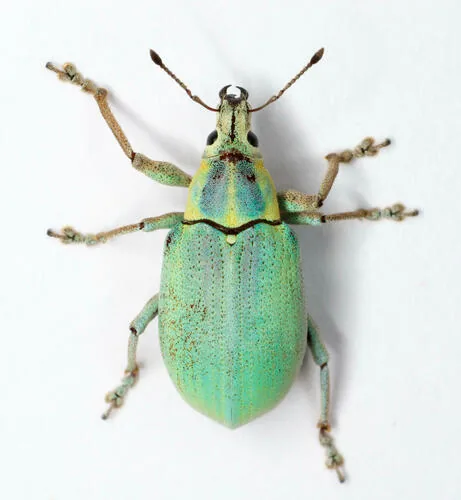
Citrus Root Weevil
Pachnaeus litus
If plants are wilting, notching at the edges, or fruit and roots show hidden feeding damage, citrus root weevil may be the cause. Adults chew above ground while larvae often feed out of sight inside soil, stems, or fruit. Damage builds quietly, then plants crash fast when roots are heavily hit. Act early so a small weevil problem does not become a season-long infestation.
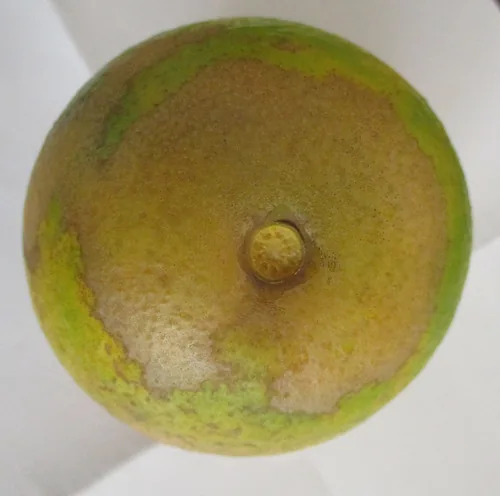
Citrus Rust Mite
Phyllocoptruta oleivora
If leaves look dusty, speckled, bronzed, or curled without obvious chewing, citrus rust mite is a likely suspect. Mites are tiny but can multiply fast, especially during heat and dry air. Plants lose vigor as feeding drains cell contents from leaves and tender growth. Early action matters, because heavy infestations can spread through a bed in days.
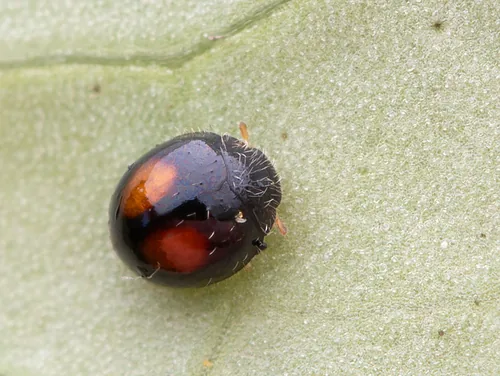
Citrus Whitefly
Dialeurodes citri
If leaves show trails, fruit turns soft, or roots collapse from inside, citrus whitefly may already be feeding. The larval stage does most of the damage, often hidden where you cannot see it at first glance. By the time yellowing or rot appears, feeding may be well underway. Move quickly when symptoms begin to prevent another wave of eggs and larvae.
Clover Mites
Bryobia praetiosa
If leaves look dusty, speckled, bronzed, or curled without obvious chewing, clover mites is a likely suspect. Mites are tiny but can multiply fast, especially during heat and dry air. Plants lose vigor as feeding drains cell contents from leaves and tender growth. Early action matters, because heavy infestations can spread through a bed in days.
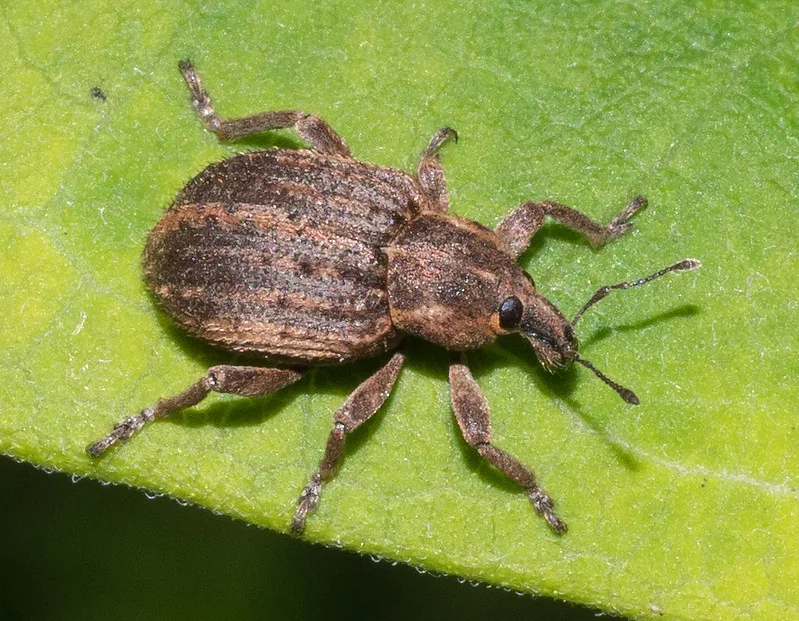
Clover Weevils
Sitona lepidus
If plants are wilting, notching at the edges, or fruit and roots show hidden feeding damage, clover weevils may be the cause. Adults chew above ground while larvae often feed out of sight inside soil, stems, or fruit. Damage builds quietly, then plants crash fast when roots are heavily hit. Act early so a small weevil problem does not become a season-long infestation.
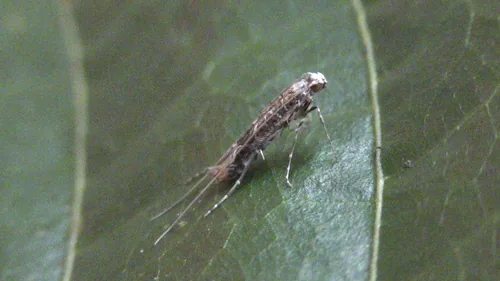
Cocoa Pod Borer
Conopomorpha cramerella
If new growth is curling, yellowing, sticky, or chewed, cocoa pod borer may already be on the plant. This pest often builds quietly, then damage appears all at once. Feeding stress weakens growth, reduces yield, and opens the door to secondary disease. Early cleanup is much easier than fighting a full population surge later.
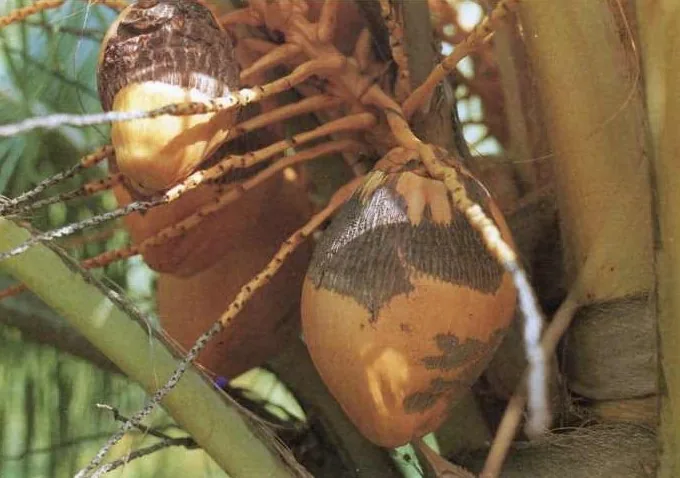
Coconut Mite
Aceria guerreronis
If leaves look dusty, speckled, bronzed, or curled without obvious chewing, coconut mite is a likely suspect. Mites are tiny but can multiply fast, especially during heat and dry air. Plants lose vigor as feeding drains cell contents from leaves and tender growth. Early action matters, because heavy infestations can spread through a bed in days.
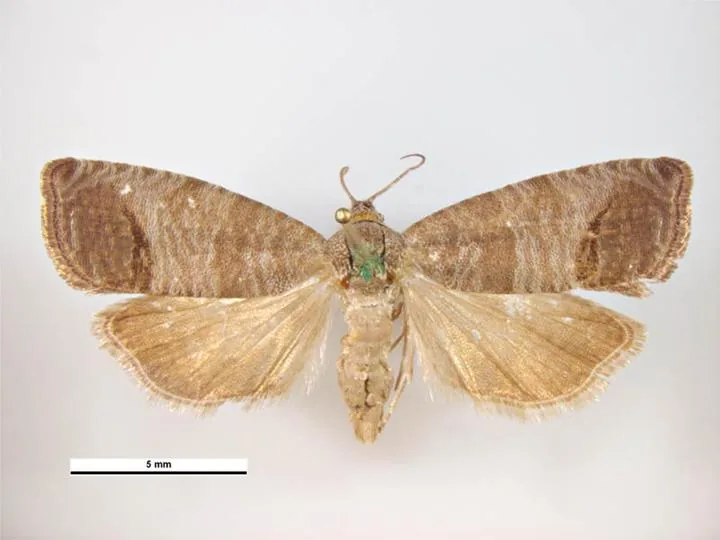
Codling Moth
Cydia pomonella
If new growth is curling, yellowing, sticky, or chewed, codling moth may already be on the plant. This pest often builds quietly, then damage appears all at once. Feeding stress weakens growth, reduces yield, and opens the door to secondary disease. Early cleanup is much easier than fighting a full population surge later.
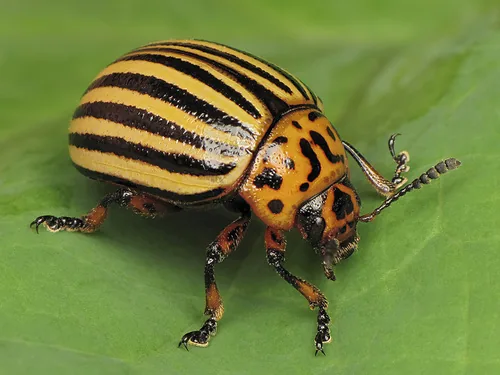
Colorado Potato Beetle
Leptinotarsa decemlineata
If new growth is curling, yellowing, sticky, or chewed, colorado potato beetle may already be on the plant. This pest often builds quietly, then damage appears all at once. Feeding stress weakens growth, reduces yield, and opens the door to secondary disease. Early cleanup is much easier than fighting a full population surge later.
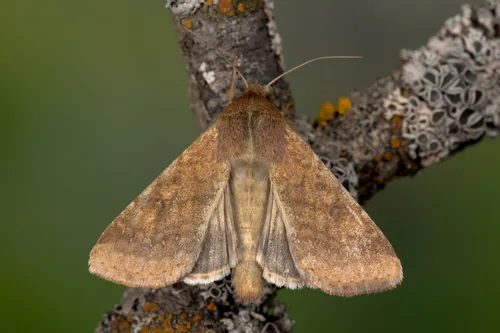
Corn Earworm
Helicoverpa zea
If leaves look shredded overnight or fruit has fresh chew holes, corn earworm may be feeding right now. These larvae can eat fast and strip a healthy plant in a short window. Young stages are easy to miss, then damage suddenly explodes as they grow. Catch them early to avoid severe defoliation and contaminated harvests.
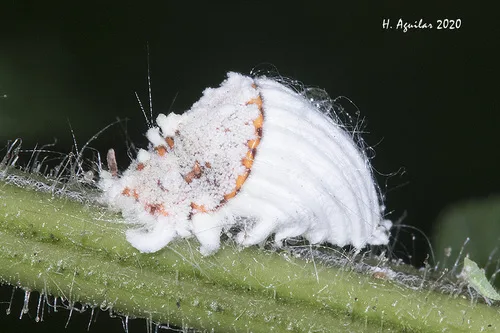
Cottony cushion scale
Icerya purchasi
Cottony cushion scale is a large fluted scale insect famous for collapsing citrus before the vedalia beetle rescue in classical biocontrol history. Females lay long white egg masses that look like cotton strips on twigs. Feeding removes sap, weakens branches, and supports sooty mold. It still appears on citrus, roses, and many ornamentals wherever mild winters allow buildup.
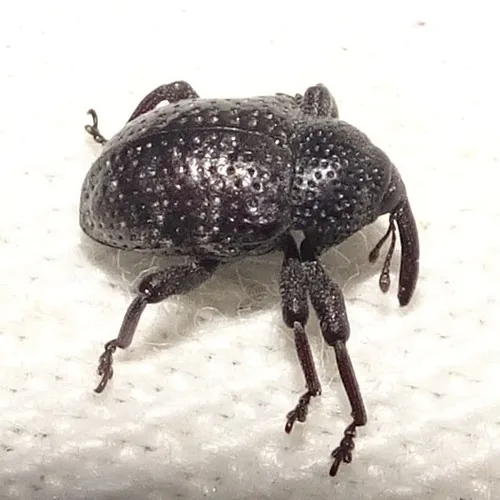
Cowpea Curculio
Chalcodermus aeneus
If new growth is curling, yellowing, sticky, or chewed, cowpea curculio may already be on the plant. This pest often builds quietly, then damage appears all at once. Feeding stress weakens growth, reduces yield, and opens the door to secondary disease. Early cleanup is much easier than fighting a full population surge later.
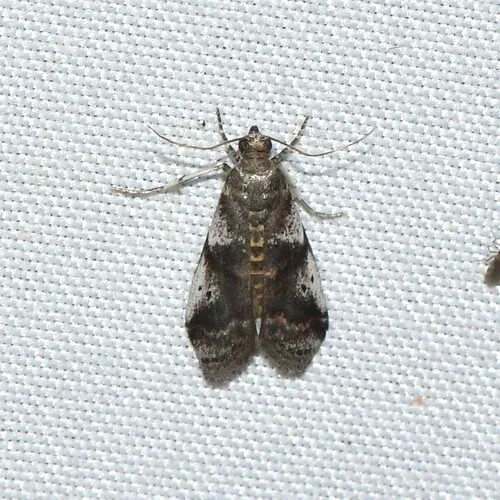
Cranberry Fruitworm
Acrobasis vaccinii
If leaves look shredded overnight or fruit has fresh chew holes, cranberry fruitworm may be feeding right now. These larvae can eat fast and strip a healthy plant in a short window. Young stages are easy to miss, then damage suddenly explodes as they grow. Catch them early to avoid severe defoliation and contaminated harvests.
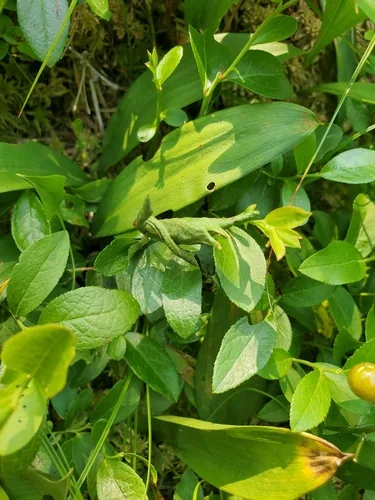
Cranberry Tipworm
Dasineura oxycoccana
If leaves look shredded overnight or fruit has fresh chew holes, cranberry tipworm may be feeding right now. These larvae can eat fast and strip a healthy plant in a short window. Young stages are easy to miss, then damage suddenly explodes as they grow. Catch them early to avoid severe defoliation and contaminated harvests.
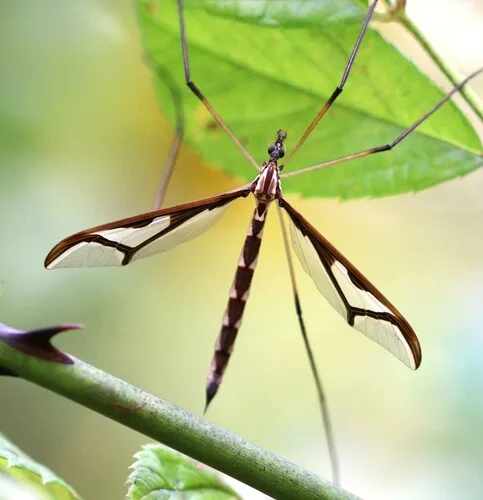
Crane fly larvae
Tipulidae
Crane fly larvae, often called leatherjackets in turf literature, are gray-brown legless maggots in soil that chew grass crowns and roots. Damage resembles drought or cutworm injury but patches feel spongy underfoot and pull up easily. Adults are long-legged flies that emerge in swarms during cool wet periods and do not feed as adults. They are common in temperate lawns, pastures, and wet meadows across the Americas.
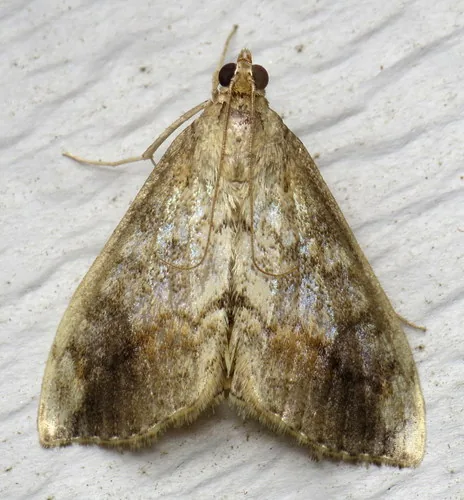
Cross-striped Cabbageworm
Evergestis rimosalis
If leaves look shredded overnight or fruit has fresh chew holes, cross-striped cabbageworm may be feeding right now. These larvae can eat fast and strip a healthy plant in a short window. Young stages are easy to miss, then damage suddenly explodes as they grow. Catch them early to avoid severe defoliation and contaminated harvests.
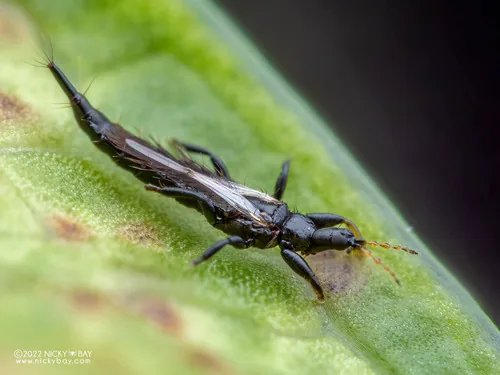
Cuban Laurel Thrips
Gynaikothrips ficorum
If new growth is curling, yellowing, sticky, or chewed, cuban laurel thrips may already be on the plant. This pest often builds quietly, then damage appears all at once. Feeding stress weakens growth, reduces yield, and opens the door to secondary disease. Early cleanup is much easier than fighting a full population surge later.
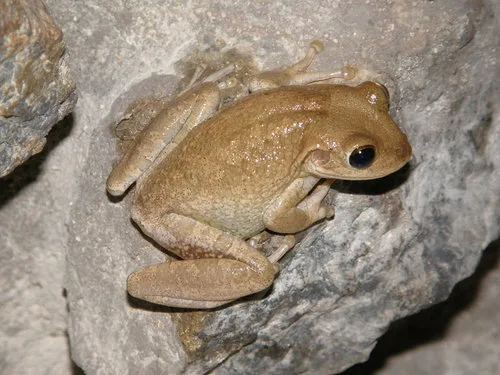
Cuban tree frog
Osteopilus septentrionalis
Cuban tree frogs are large nocturnal hylids that climb walls, enter sheds, and colonize downspouts and nursery houses. They eat native tree frogs and small vertebrates, and their skin secretions irritate mucous membranes. In horticulture they are a nuisance around irrigation boxes, shade houses, and porch lights that concentrate insect prey. Where they are invasive, management favors exclusion and humane removal following local wildlife rules.
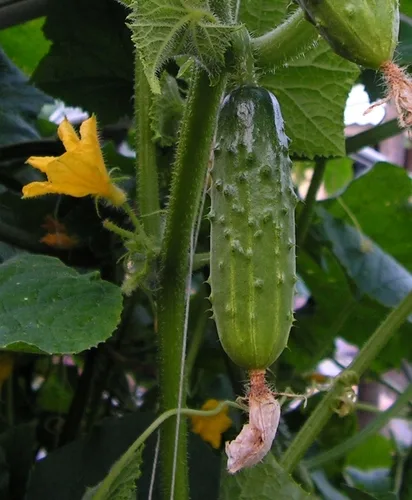
Cucumber Mosaic Virus
Cucumber mosaic virus (CMV)
If leaves show irregular yellow-green mosaic patterns, distorted crinkled growth, and stunted plants despite good care, Cucumber Mosaic Virus is a strong suspect. CMV is the most widespread plant virus in the world — it infects over 1200 plant species including cucumbers, tomatoes, peppers, squash, beans, spinach, and many ornamentals and herbs. There is no cure once a plant is infected. Aphids spread it in seconds while feeding — a single aphid probe transmits the virus before any aphid control can stop it. Remove infected plants immediately to reduce spread to healthy ones.
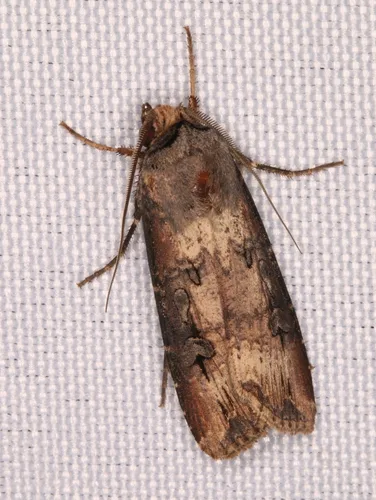
Cutworm larvae
Noctuidae (Agrotis, Peridroma, and related genera)
Cutworms are caterpillars that clip seedlings at soil line, sometimes dragging small plants underground to feed. They feed at night and hide just under the soil surface by day, which makes blame fall on birds or rabbits first. Outbreaks follow weedy fallow, fresh tillage, or thick mulch that gives them cover. They occur on vegetables, grains, and nursery transplants across temperate to subtropical production zones.
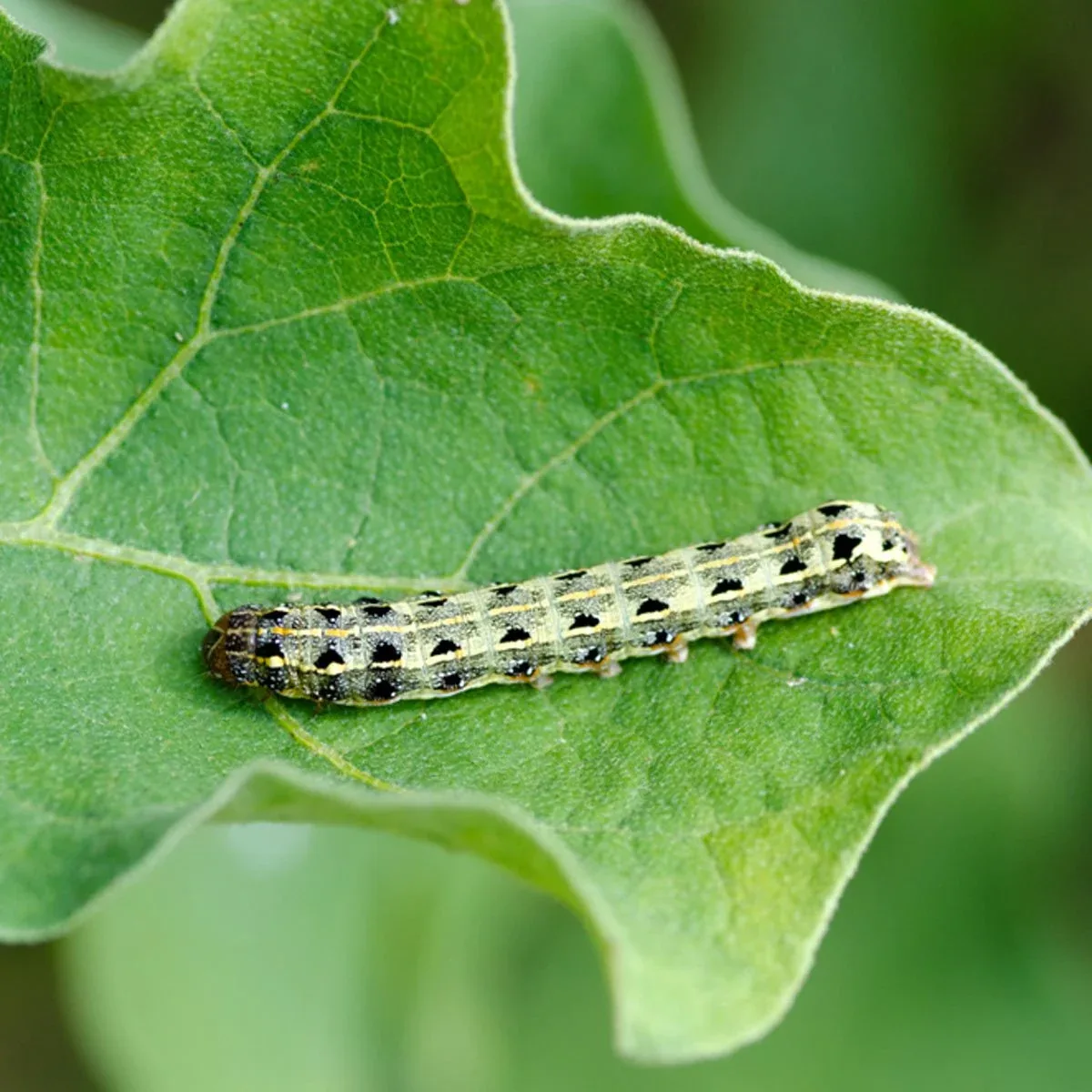
Cutworms
Noctuidae
If leaves look shredded overnight or fruit has fresh chew holes, cutworms may be feeding right now. These larvae can eat fast and strip a healthy plant in a short window. Young stages are easy to miss, then damage suddenly explodes as they grow. Catch them early to avoid severe defoliation and contaminated harvests.
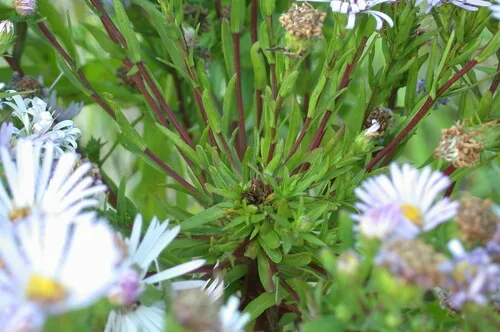
Cyclamen Mite
Steneotarsonemus pallidus
If leaves look dusty, speckled, bronzed, or curled without obvious chewing, cyclamen mite is a likely suspect. Mites are tiny but can multiply fast, especially during heat and dry air. Plants lose vigor as feeding drains cell contents from leaves and tender growth. Early action matters, because heavy infestations can spread through a bed in days.
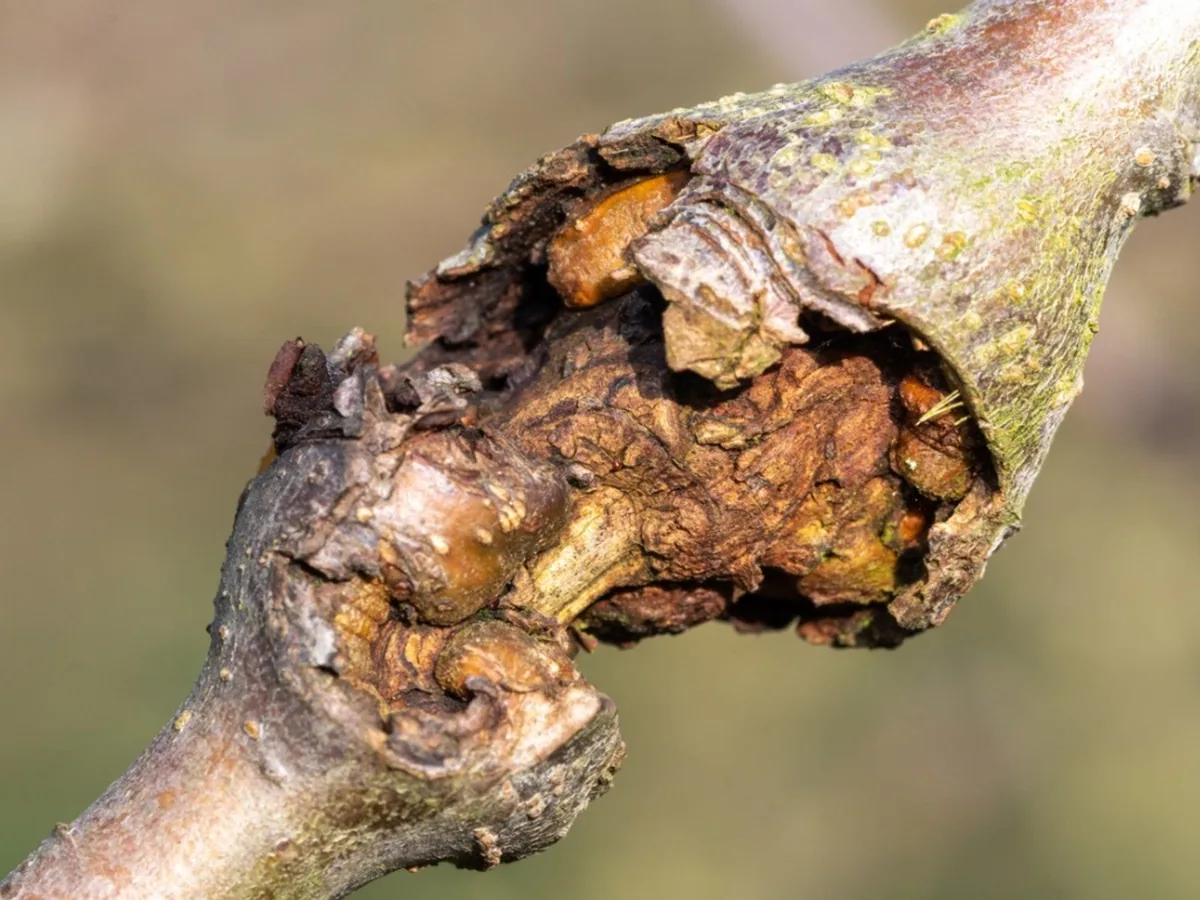
Cytospora Canker
Cytospora spp.
If leaves, stems, or fruit suddenly look spotted, sunken, or rotting, cytospora canker may already be active. This problem often starts small, then spreads across healthy tissue before most growers realize how serious it is. Warmth, moisture, and crowded foliage usually speed it up. Treat early, because waiting even a few days can turn a manageable infection into major crop loss.
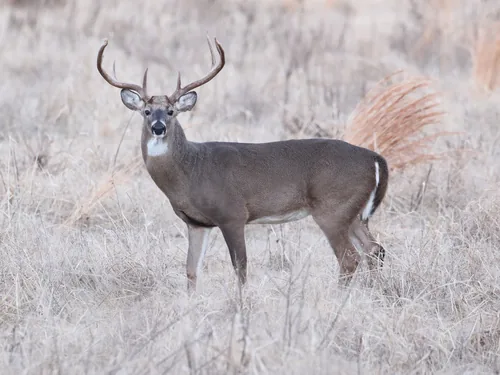
Deer
Odocoileus virginianus
If plants are cleanly stripped of leaves and tender growth overnight with no other signs of pest activity, deer were there. Unlike most pests, deer damage is obvious and large scale — entire branches browsed, bark rubbed off small trees, and young plants eaten to the ground. They are creatures of habit and will return to the same garden every night once they discover a food source. A single deer can destroy months of garden work in one visit. Bucks also rub antlers on young tree trunks in fall, girdling and killing them. In suburban and rural Florida, white-tailed deer are active year-round.
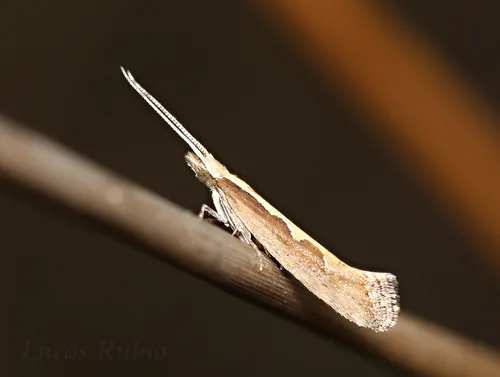
Diamondback Moth
Plutella xylostella
If new growth is curling, yellowing, sticky, or chewed, diamondback moth may already be on the plant. This pest often builds quietly, then damage appears all at once. Feeding stress weakens growth, reduces yield, and opens the door to secondary disease. Early cleanup is much easier than fighting a full population surge later.
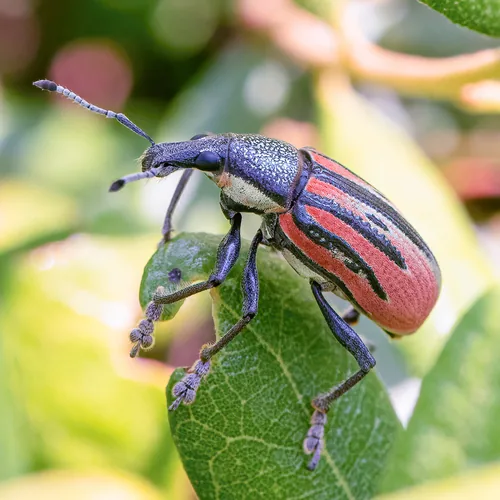
Diaprepes Root Weevil
Diaprepes abbreviatus
If plants are wilting, notching at the edges, or fruit and roots show hidden feeding damage, diaprepes root weevil may be the cause. Adults chew above ground while larvae often feed out of sight inside soil, stems, or fruit. Damage builds quietly, then plants crash fast when roots are heavily hit. Act early so a small weevil problem does not become a season-long infestation.
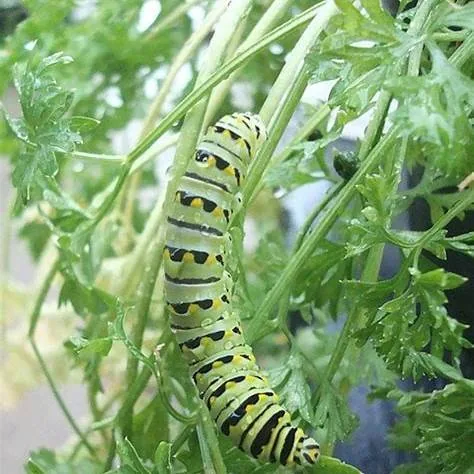
Dill Worms
Lepidoptera larva
If leaves look shredded overnight or fruit has fresh chew holes, dill worms may be feeding right now. These larvae can eat fast and strip a healthy plant in a short window. Young stages are easy to miss, then damage suddenly explodes as they grow. Catch them early to avoid severe defoliation and contaminated harvests.
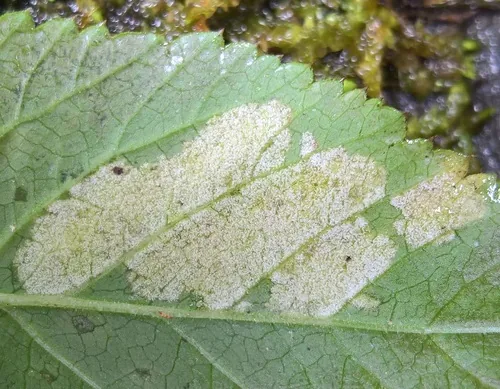
Downy Mildew
Peronosporaceae (oomycetes; host-specific species)
If leaves, stems, or fruit suddenly look spotted, sunken, or rotting, downy mildew may already be active. This problem often starts small, then spreads across healthy tissue before most growers realize how serious it is. Warmth, moisture, and crowded foliage usually speed it up. Treat early, because waiting even a few days can turn a manageable infection into major crop loss.
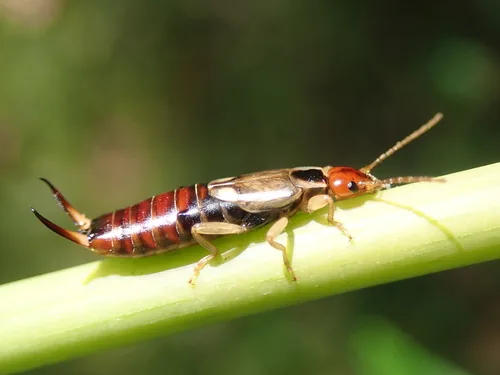
Earwig
Forficula auricularia
If new growth is curling, yellowing, sticky, or chewed, earwig may already be on the plant. This pest often builds quietly, then damage appears all at once. Feeding stress weakens growth, reduces yield, and opens the door to secondary disease. Early cleanup is much easier than fighting a full population surge later.
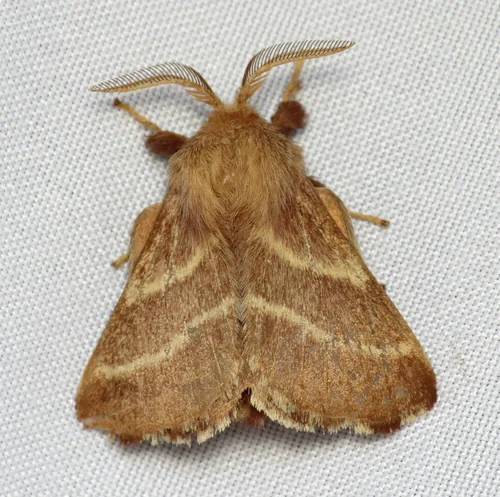
Eastern Tent Caterpillar
Malacosoma americanum
If leaves look shredded overnight or fruit has fresh chew holes, eastern tent caterpillar may be feeding right now. These larvae can eat fast and strip a healthy plant in a short window. Young stages are easy to miss, then damage suddenly explodes as they grow. Catch them early to avoid severe defoliation and contaminated harvests.
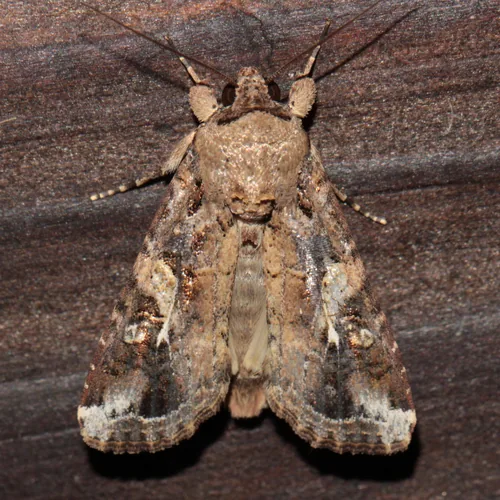
Fall Armyworm
Spodoptera frugiperda
If leaves look shredded overnight or fruit has fresh chew holes, fall armyworm may be feeding right now. These larvae can eat fast and strip a healthy plant in a short window. Young stages are easy to miss, then damage suddenly explodes as they grow. Catch them early to avoid severe defoliation and contaminated harvests.
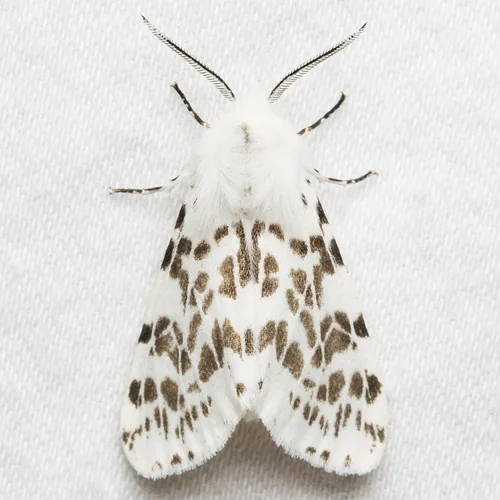
Fall Webworm
Hyphantria cunea
If leaves look shredded overnight or fruit has fresh chew holes, fall webworm may be feeding right now. These larvae can eat fast and strip a healthy plant in a short window. Young stages are easy to miss, then damage suddenly explodes as they grow. Catch them early to avoid severe defoliation and contaminated harvests.
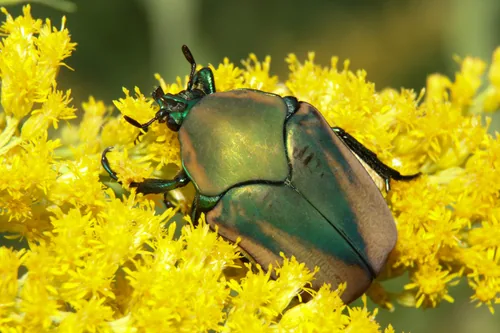
Fig Beetle
Cotinis mutabilis
If new growth is curling, yellowing, sticky, or chewed, fig beetle may already be on the plant. This pest often builds quietly, then damage appears all at once. Feeding stress weakens growth, reduces yield, and opens the door to secondary disease. Early cleanup is much easier than fighting a full population surge later.
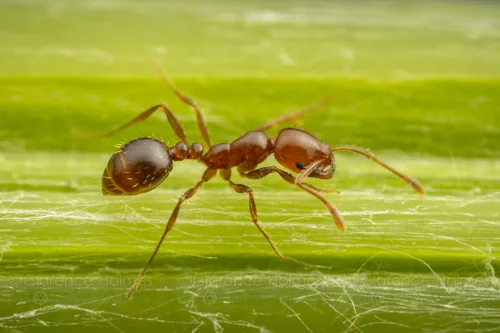
Fire Ant
Solenopsis invicta
If new growth is curling, yellowing, sticky, or chewed, fire ant may already be on the plant. This pest often builds quietly, then damage appears all at once. Feeding stress weakens growth, reduces yield, and opens the door to secondary disease. Early cleanup is much easier than fighting a full population surge later.
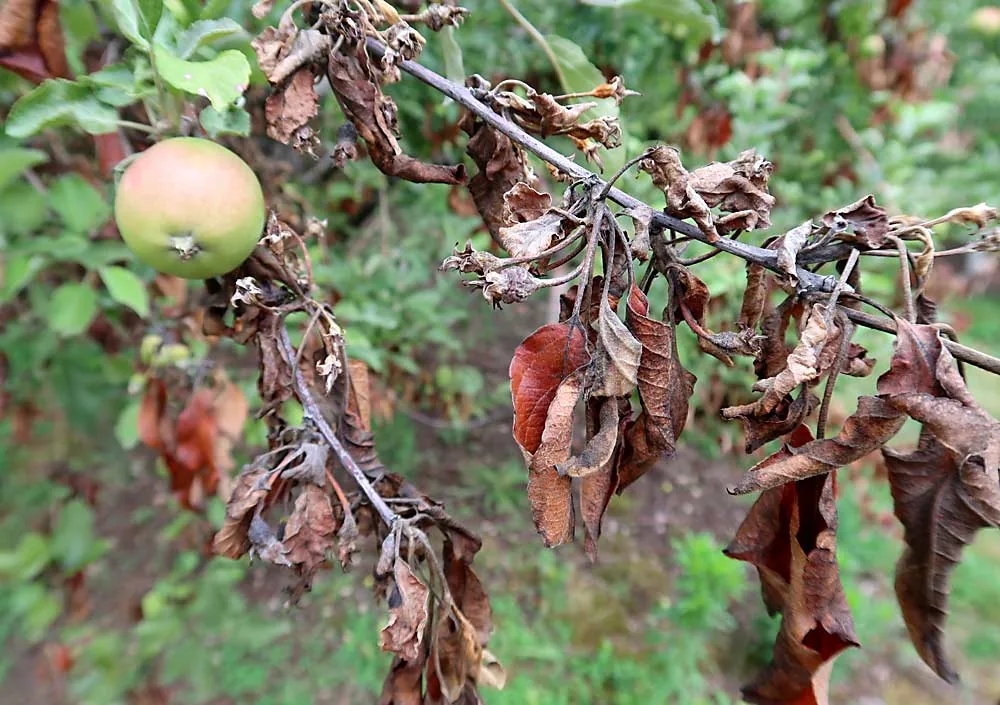
Fire Blight
Erwinia amylovora
If leaves, stems, or fruit suddenly look spotted, sunken, or rotting, fire blight may already be active. This problem often starts small, then spreads across healthy tissue before most growers realize how serious it is. Warmth, moisture, and crowded foliage usually speed it up. Treat early, because waiting even a few days can turn a manageable infection into major crop loss.
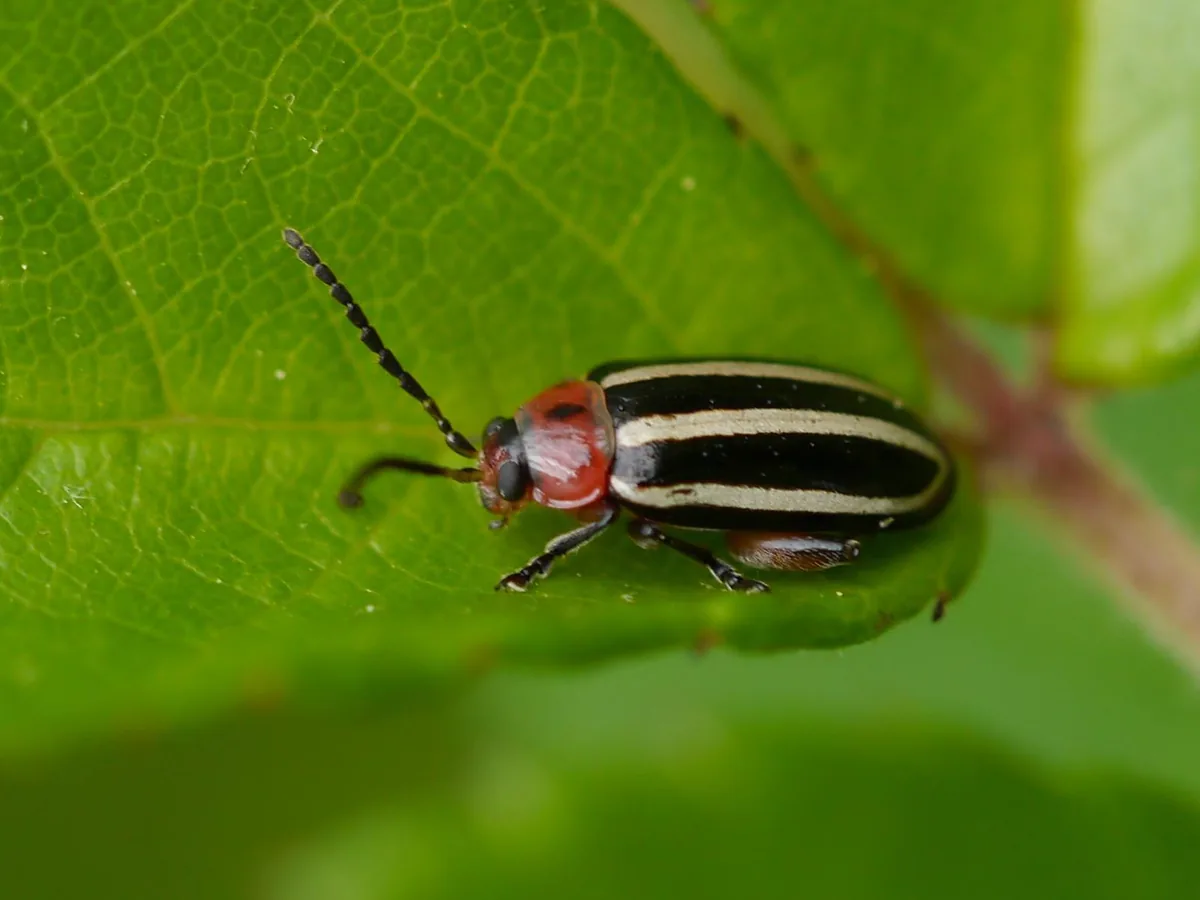
Flea Beetles
Alticini
If new growth is curling, yellowing, sticky, or chewed, flea beetles may already be on the plant. This pest often builds quietly, then damage appears all at once. Feeding stress weakens growth, reduces yield, and opens the door to secondary disease. Early cleanup is much easier than fighting a full population surge later.
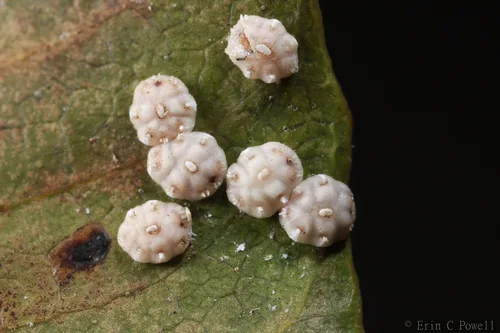
Florida wax scale
Ceroplastes floridensis
Florida wax scale is a globular soft scale that builds thick white to pink wax plates over its body on twigs and leaf undersides. It excretes honeydew that grows sooty mold and attracts ants. Heavy infestations weaken branches on magnolia, holly, citrus relatives, and many broadleaf ornamentals in humid subtropical to tropical climates and warm temperate microclimates.
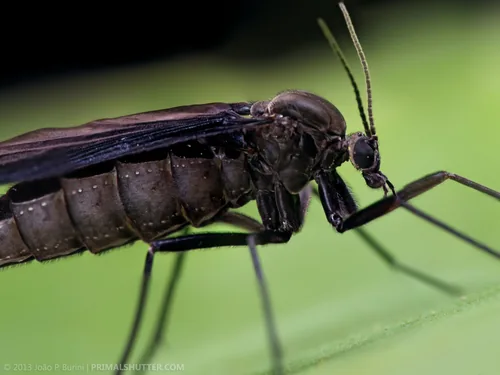
Fungus Gnat
Bradysia impatiens
If leaves, stems, or fruit suddenly look spotted, sunken, or rotting, fungus gnat may already be active. This problem often starts small, then spreads across healthy tissue before most growers realize how serious it is. Warmth, moisture, and crowded foliage usually speed it up. Treat early, because waiting even a few days can turn a manageable infection into major crop loss.
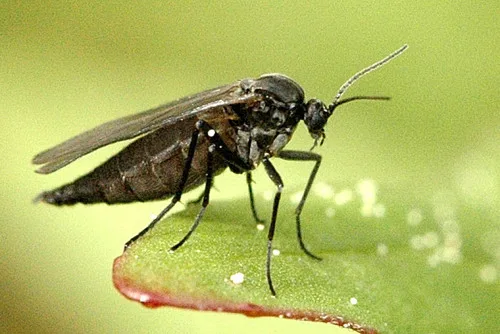
Fungus gnat larvae
Sciaridae (Bradysia, Lycoriella, and related genera)
Fungus gnat larvae are translucent legless maggots with black heads that live in the top layer of moist potting mix and feed on fine roots and organic matter. Seedlings yellow, stall, or damp off when feeding and associated root rots stack stress. Adults are tiny dark flies that zigzag near moist media and lights. They explode in propagation houses, houseplant collections, and overwatered containers everywhere plants are grown indoors or under shade.
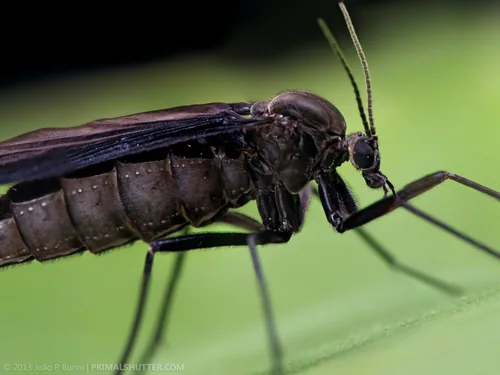
Fungus Gnats
Sciaridae
If leaves, stems, or fruit suddenly look spotted, sunken, or rotting, fungus gnats may already be active. This problem often starts small, then spreads across healthy tissue before most growers realize how serious it is. Warmth, moisture, and crowded foliage usually speed it up. Treat early, because waiting even a few days can turn a manageable infection into major crop loss.
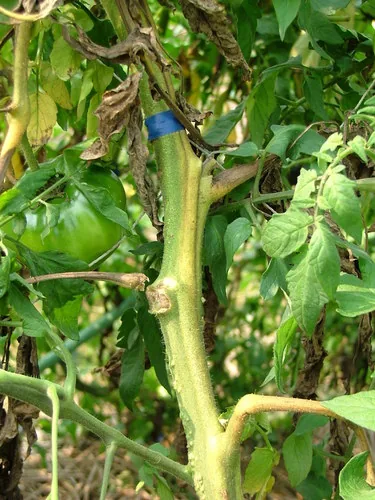
Fusarium Wilt
Fusarium oxysporum
If leaves, stems, or fruit suddenly look spotted, sunken, or rotting, fusarium wilt may already be active. This problem often starts small, then spreads across healthy tissue before most growers realize how serious it is. Warmth, moisture, and crowded foliage usually speed it up. Treat early, because waiting even a few days can turn a manageable infection into major crop loss.
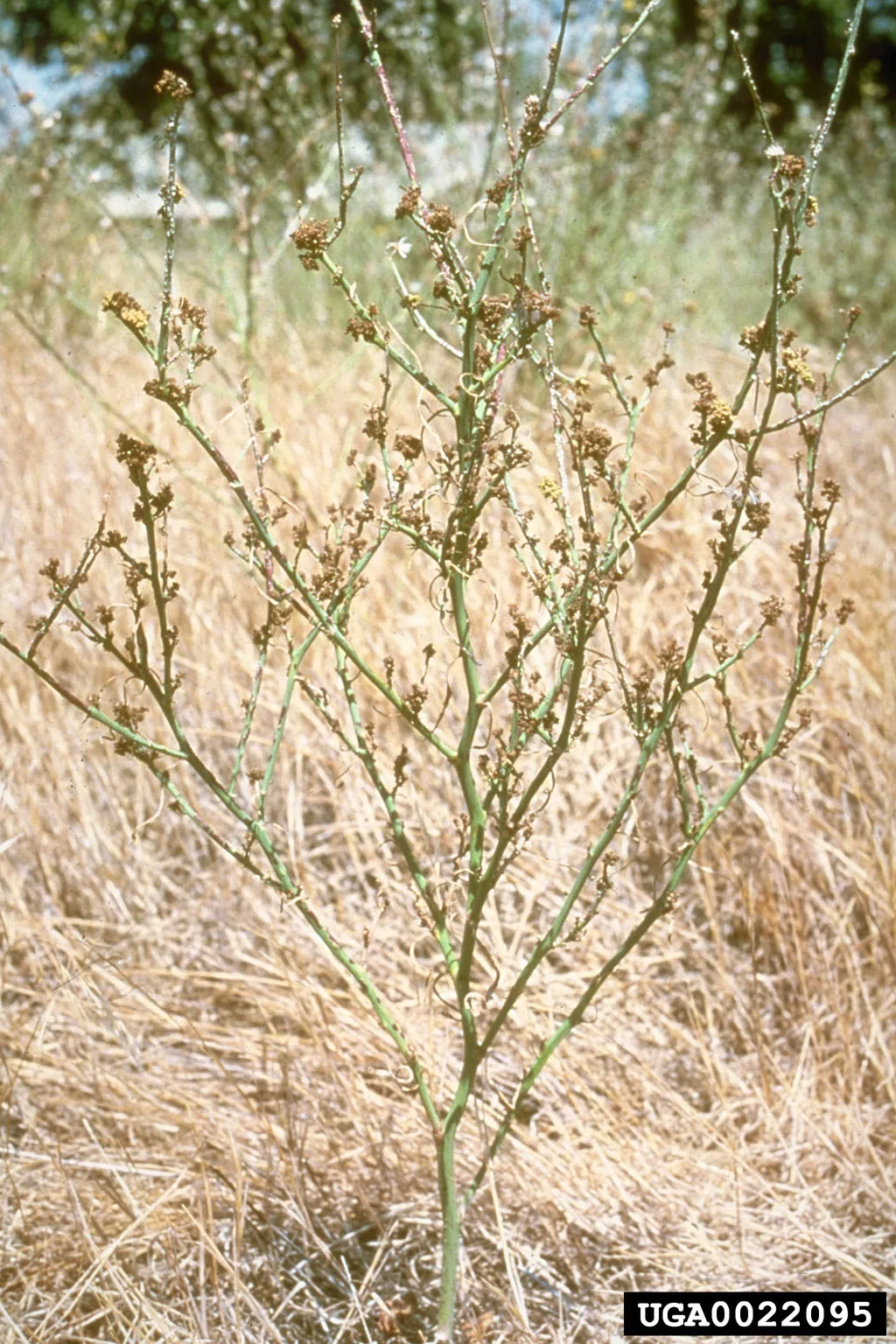
Gall Mite
Eriophyidae
If leaves look dusty, speckled, bronzed, or curled without obvious chewing, gall mite is a likely suspect. Mites are tiny but can multiply fast, especially during heat and dry air. Plants lose vigor as feeding drains cell contents from leaves and tender growth. Early action matters, because heavy infestations can spread through a bed in days.
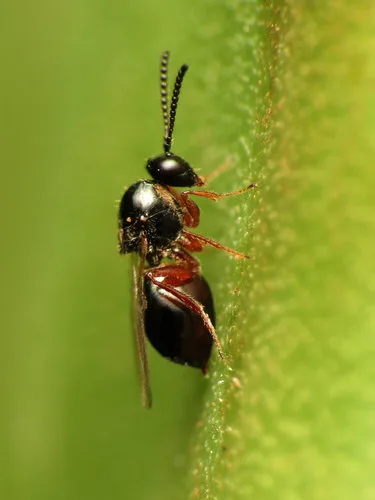
Gall wasps
Cynipidae
Gall wasps are tiny hymenopterans whose larvae trigger abnormal plant growths called galls on oaks, roses, hickories, and other hosts. Most galls are cosmetic, but heavy loads on young trees can reduce growth and twig dieback occurs when galls cluster at shoot tips. Adults are short-lived and often hard to spot; damage is diagnosed from the gall itself. They occur wherever host trees grow from cool temperate oak savannas to subtropical landscapes.
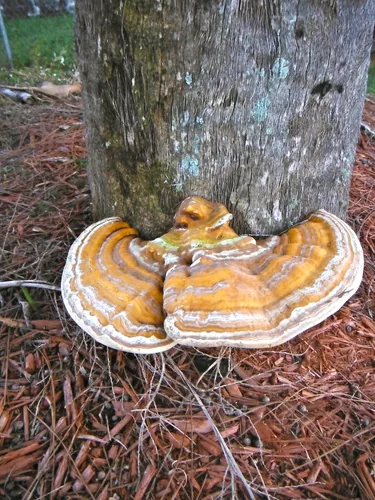
Ganoderma Butt Rot
Ganoderma spp.
If leaves, stems, or fruit suddenly look spotted, sunken, or rotting, ganoderma butt rot may already be active. This problem often starts small, then spreads across healthy tissue before most growers realize how serious it is. Warmth, moisture, and crowded foliage usually speed it up. Treat early, because waiting even a few days can turn a manageable infection into major crop loss.
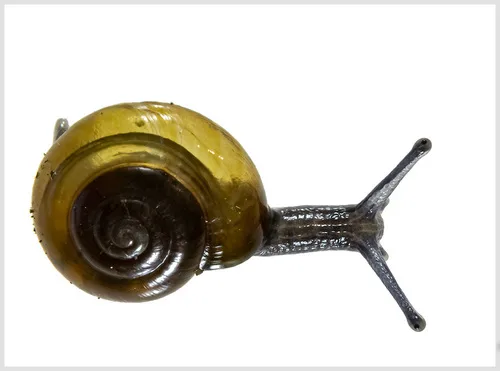
Glass snails
Oxychilus spp. and related genera
Glass snails are small glassy-shelled land snails that feed at night on seedlings, mushrooms, and decaying matter, sometimes rasping holes in tender leaves and fruit touching the ground. They favor cool humid microclimates under mulch, pots, and boards. In greenhouses and moist subtropical to temperate gardens they climb stems after rain and leave slime trails that confuse diagnosis with slugs.
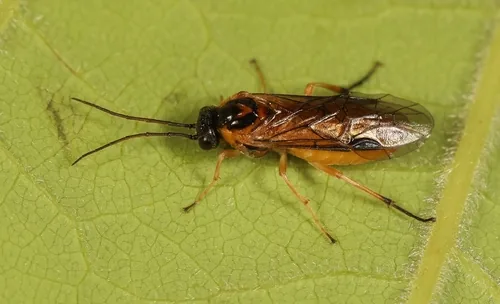
Gooseberry Sawfly
Nematus ribesii
If leaves show trails, fruit turns soft, or roots collapse from inside, gooseberry sawfly may already be feeding. The larval stage does most of the damage, often hidden where you cannot see it at first glance. By the time yellowing or rot appears, feeding may be well underway. Move quickly when symptoms begin to prevent another wave of eggs and larvae.
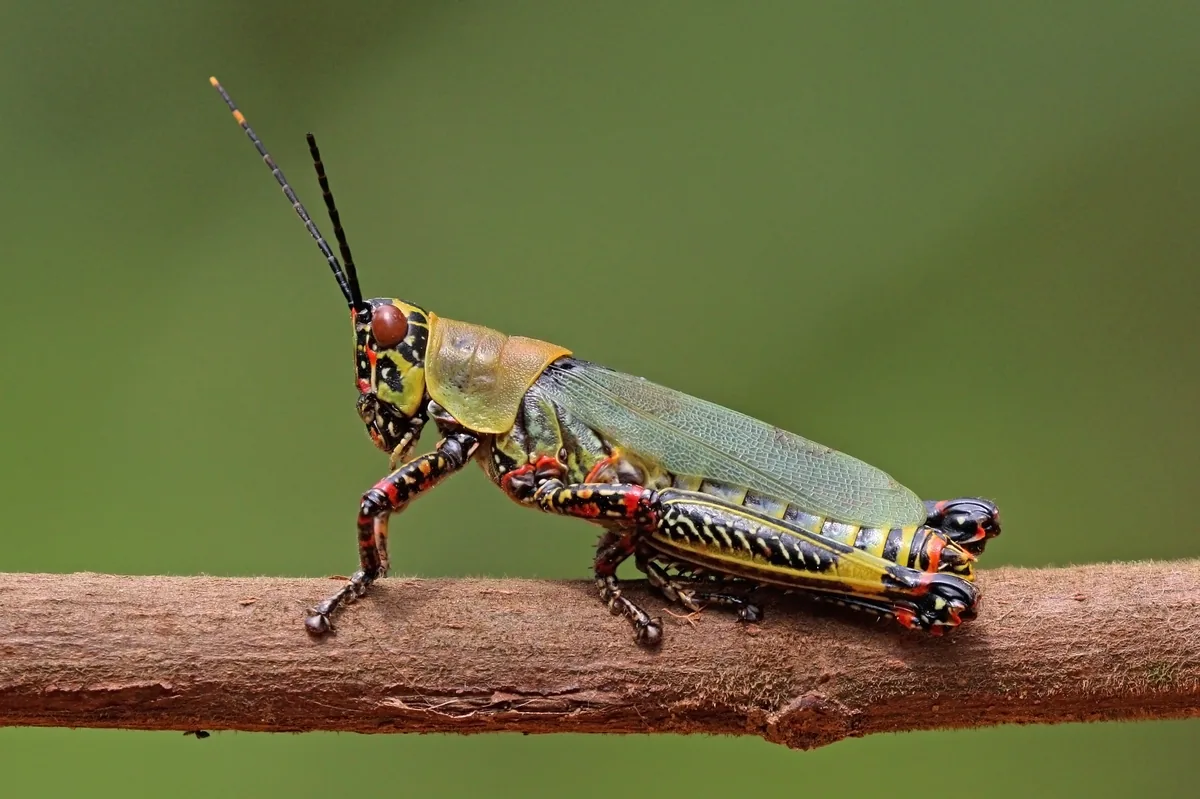
Grasshopper
Acrididae
If new growth is curling, yellowing, sticky, or chewed, grasshopper may already be on the plant. This pest often builds quietly, then damage appears all at once. Feeding stress weakens growth, reduces yield, and opens the door to secondary disease. Early cleanup is much easier than fighting a full population surge later.
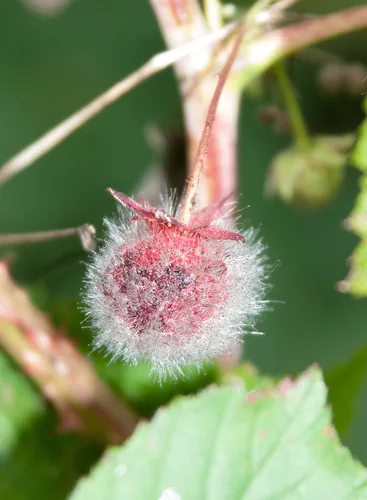
Gray Mold
Botrytis cinerea
If leaves, stems, or fruit suddenly look spotted, sunken, or rotting, gray mold may already be active. This problem often starts small, then spreads across healthy tissue before most growers realize how serious it is. Warmth, moisture, and crowded foliage usually speed it up. Treat early, because waiting even a few days can turn a manageable infection into major crop loss.
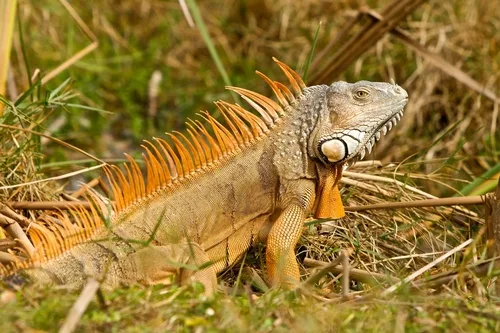
Green iguana
Iguana iguana
Green iguanas are large herbivorous lizards that clip tender shoots, flowers, and fruit during the day, leaving ragged browsing where insects would make smaller holes. Invasive populations damage food gardens, young orchard trees, and nursery stock in tropical and subtropical lowlands and warm urban heat islands. They also dig burrows that undermine banks, seawalls, and root zones. Management combines exclusion, population reduction where regulations allow, and habitat changes that make your site less attractive than the neighbor's hibiscus hedge.
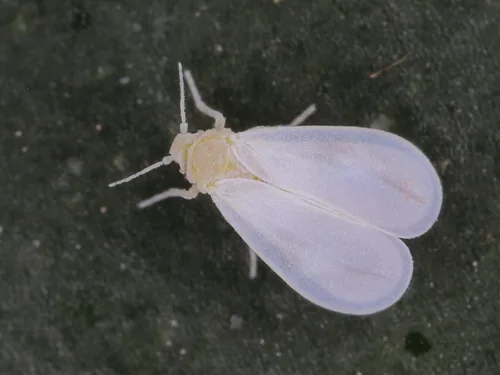
Greenhouse Whitefly
Trialeurodes vaporariorum
If leaves show trails, fruit turns soft, or roots collapse from inside, greenhouse whitefly may already be feeding. The larval stage does most of the damage, often hidden where you cannot see it at first glance. By the time yellowing or rot appears, feeding may be well underway. Move quickly when symptoms begin to prevent another wave of eggs and larvae.
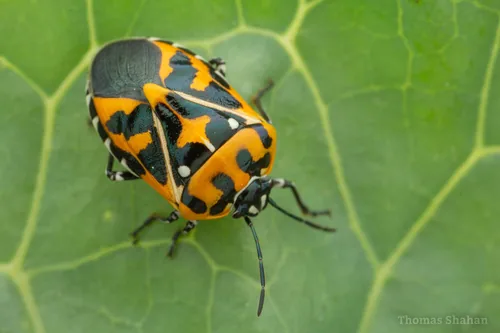
Harlequin Bug
Murgantia histrionica
If new growth is curling, yellowing, sticky, or chewed, harlequin bug may already be on the plant. This pest often builds quietly, then damage appears all at once. Feeding stress weakens growth, reduces yield, and opens the door to secondary disease. Early cleanup is much easier than fighting a full population surge later.
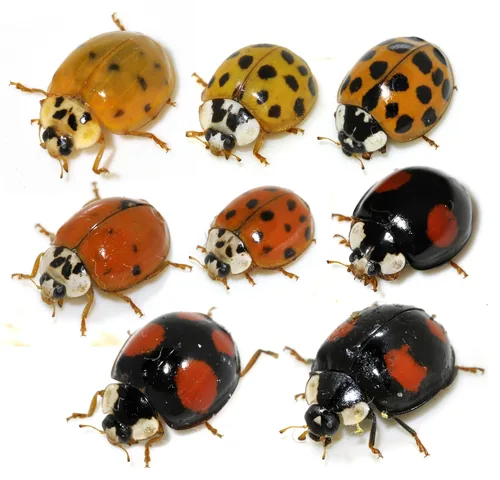
Harlequin Ladybird
Harmonia axyridis
If new growth is curling, yellowing, sticky, or chewed, harlequin ladybird may already be on the plant. This pest often builds quietly, then damage appears all at once. Feeding stress weakens growth, reduces yield, and opens the door to secondary disease. Early cleanup is much easier than fighting a full population surge later.
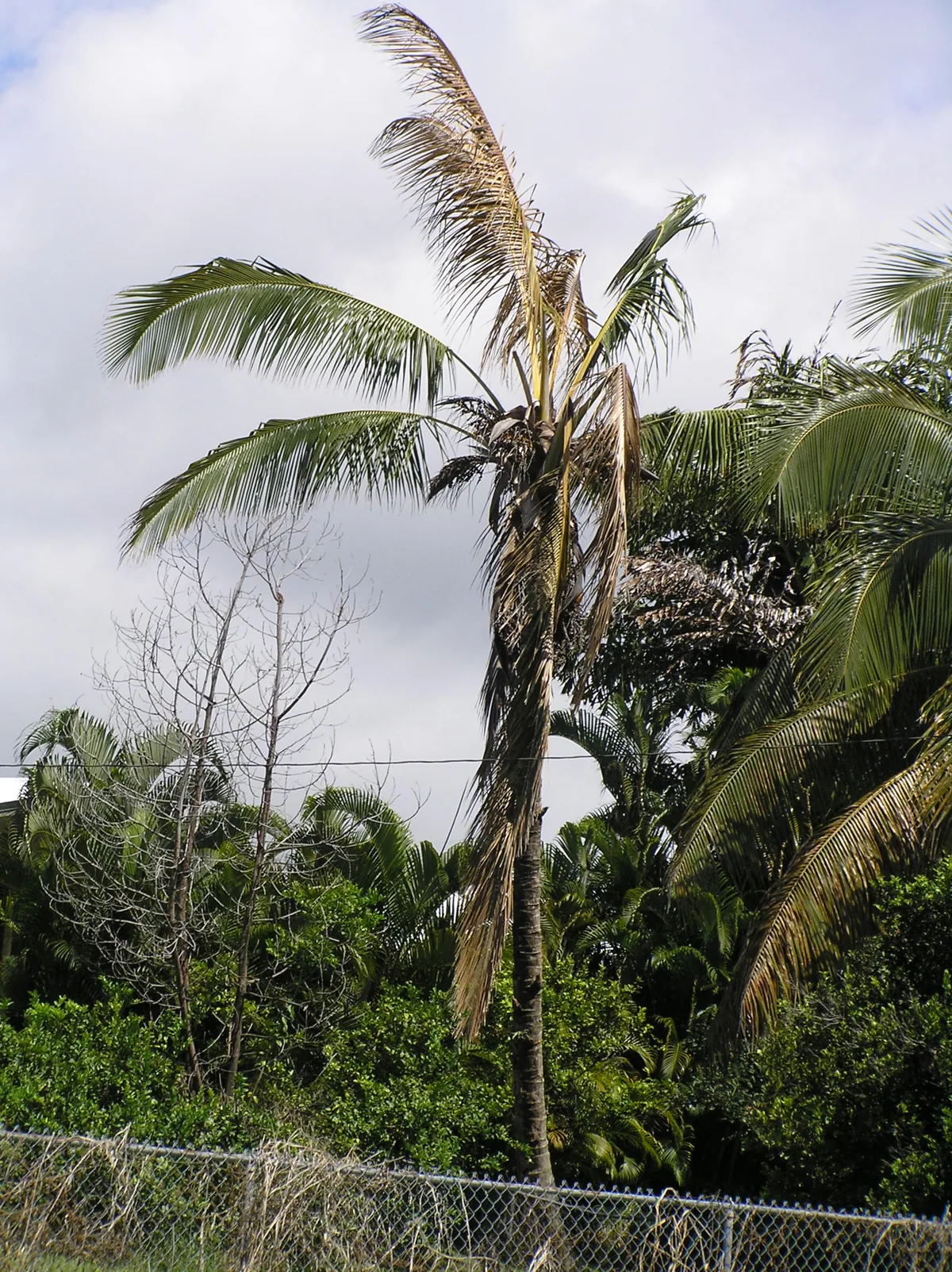
Heart Rot
Ganoderma zonatum (palms); other wood-decay basidiomycetes on trees
If leaves, stems, or fruit suddenly look spotted, sunken, or rotting, heart rot may already be active. This problem often starts small, then spreads across healthy tissue before most growers realize how serious it is. Warmth, moisture, and crowded foliage usually speed it up. Treat early, because waiting even a few days can turn a manageable infection into major crop loss.
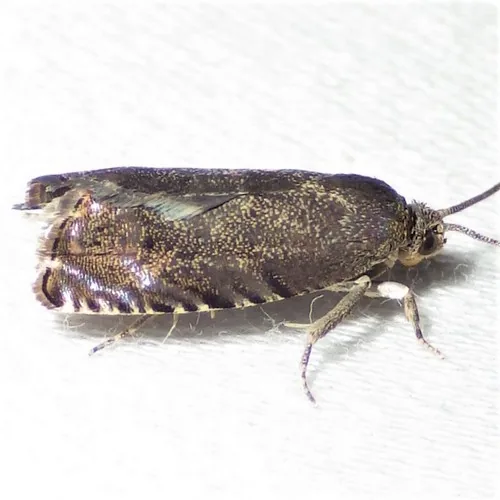
Hickory Shuckworm
Cydia caryana
If leaves look shredded overnight or fruit has fresh chew holes, hickory shuckworm may be feeding right now. These larvae can eat fast and strip a healthy plant in a short window. Young stages are easy to miss, then damage suddenly explodes as they grow. Catch them early to avoid severe defoliation and contaminated harvests.
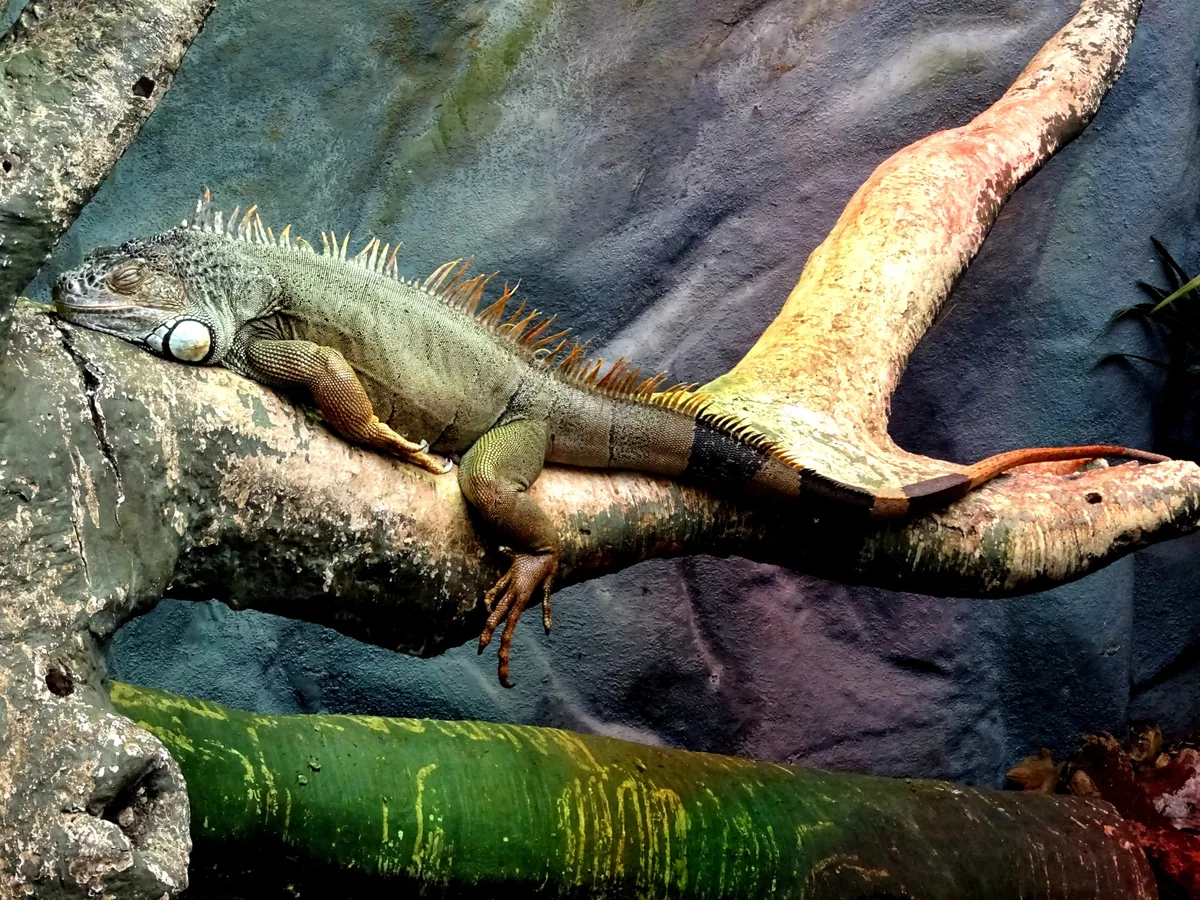
Iguana
Iguana iguana
If flowering plants, hibiscus, roses, or tender new growth are cleanly stripped during the day with no sign of insects — and you live in South or Central Florida — iguanas are almost certainly the cause. Green iguanas are invasive in Florida, arrived via the pet trade, and have no natural predators here. They are large, bold, and active during warm daylight hours. A single adult can devastate a garden bed in one visit. They are particularly destructive in food forests because they target the same high-value tender growth, flowers, and fruit that you are growing. They also dig burrows that undermine foundations, seawalls, and root systems.
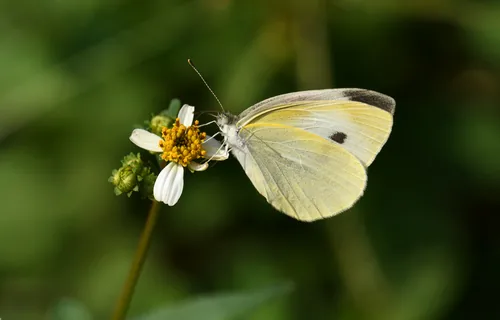
Imported Cabbageworm
Pieris rapae
If leaves look shredded overnight or fruit has fresh chew holes, imported cabbageworm may be feeding right now. These larvae can eat fast and strip a healthy plant in a short window. Young stages are easy to miss, then damage suddenly explodes as they grow. Catch them early to avoid severe defoliation and contaminated harvests.
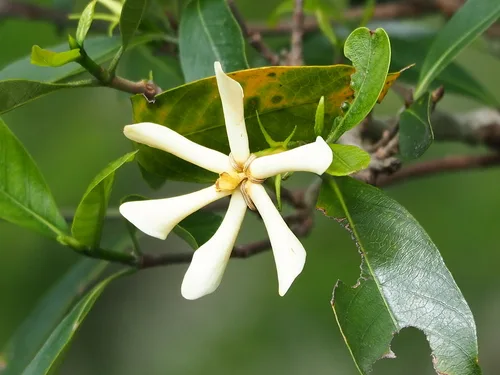
Iron deficiency
Physiological disorder (Fe)
Iron deficiency shows as interveinal chlorosis on newest leaves while veins stay greener and older foliage looks relatively normal. It is common in high-pH soils where iron is insoluble, in waterlogged roots, and in containers with alkaline irrigation water. The plant is not always short of iron in the site -- uptake can be blocked by cold soil, root damage, or competing ions. Fixing the underlying cause beats endless foliar greening sprays.
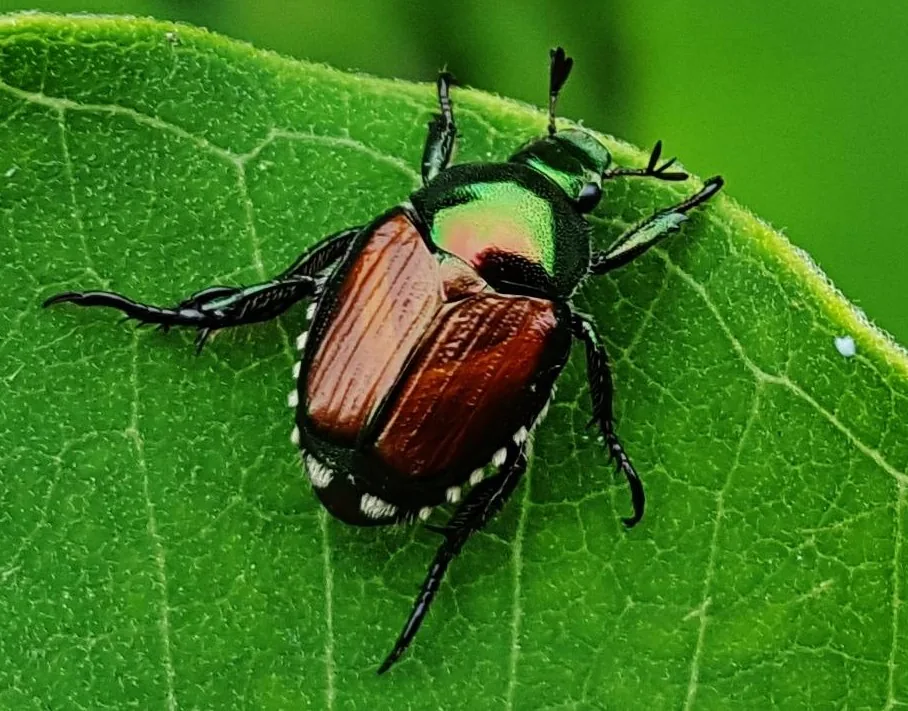
Japanese Beetles
Popillia japonica
If new growth is curling, yellowing, sticky, or chewed, japanese beetles may already be on the plant. This pest often builds quietly, then damage appears all at once. Feeding stress weakens growth, reduces yield, and opens the door to secondary disease. Early cleanup is much easier than fighting a full population surge later.
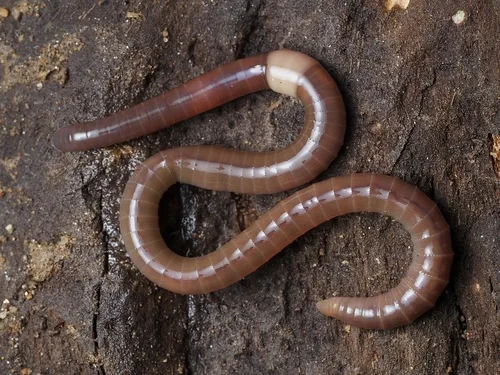
Jumping worms
Amynthas and Metaphire spp.
Jumping worms are invasive pheretimoid earthworms that thrash snake-like when disturbed and consume the organic layer of forest soils and garden beds aggressively. Their castings look like uniform coffee grounds that strip structure from mulch and can reduce seedling establishment. They spread through horticultural media, compost, potted plant moves, and fishing bait release. Populations are expanding in temperate eastern North America and other regions where they arrive with human transport.
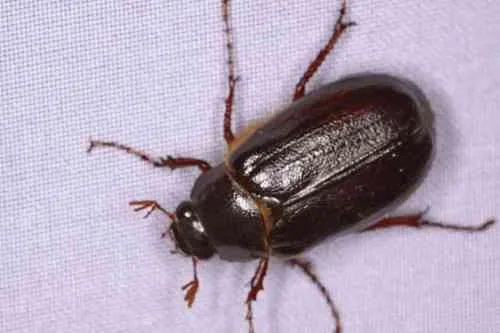
June beetle grubs
Phyllophaga spp.
June beetle grubs are large white scarab larvae with brown heads and three pairs of thoracic legs, arranged in a loose C in soil. They feed on grass roots, row crop roots, and sometimes tubers, causing irregular brown turf patches and stand thinning. Adults are chunky brown beetles that bump porch lights in late spring and early summer across much of North America. Damage is worst where adults lay eggs in moist turf near lights and irrigated lawns.
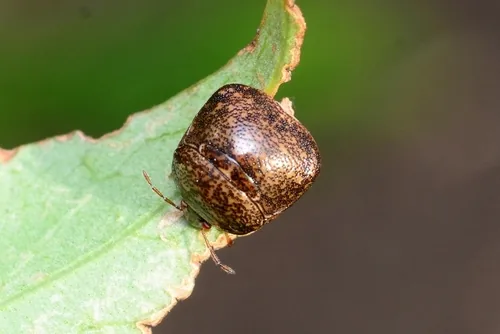
Kudzu Bug
Megacopta cribraria
If new growth is curling, yellowing, sticky, or chewed, kudzu bug may already be on the plant. This pest often builds quietly, then damage appears all at once. Feeding stress weakens growth, reduces yield, and opens the door to secondary disease. Early cleanup is much easier than fighting a full population surge later.
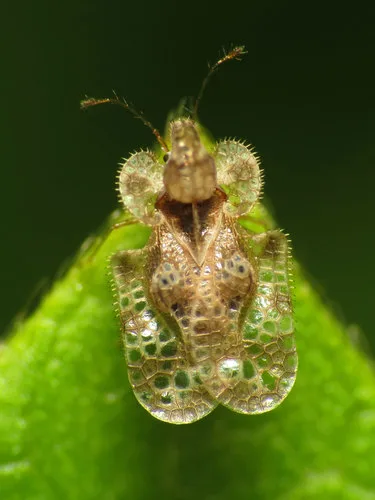
Lace bugs
Tingidae
Lace bugs are small sap-feeding hemipterans with lacy patterned wings that live and feed on the underside of leaves. Their frass appears as dark varnish specks and heavy feeding causes bronzing or bleaching visible from above before leaves drop. Azalea, sycamore, oak, and many ornamentals host specialist species across temperate to subtropical climates. Hot dry weather speeds damage because plants cannot replace lost sap fast enough.
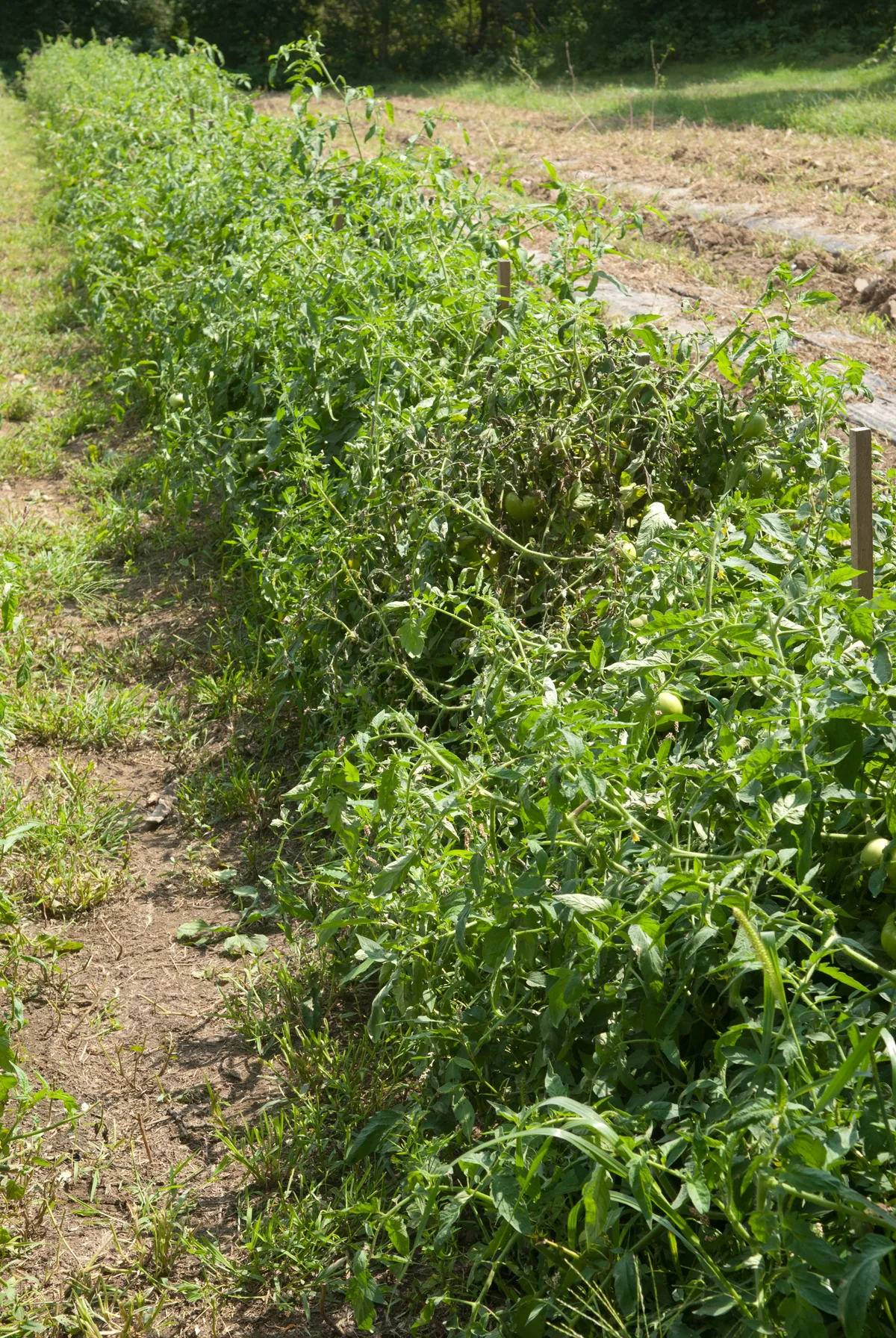
Late Blight
Phytophthora infestans
If leaves, stems, or fruit suddenly look spotted, sunken, or rotting, late blight may already be active. This problem often starts small, then spreads across healthy tissue before most growers realize how serious it is. Warmth, moisture, and crowded foliage usually speed it up. Treat early, because waiting even a few days can turn a manageable infection into major crop loss.
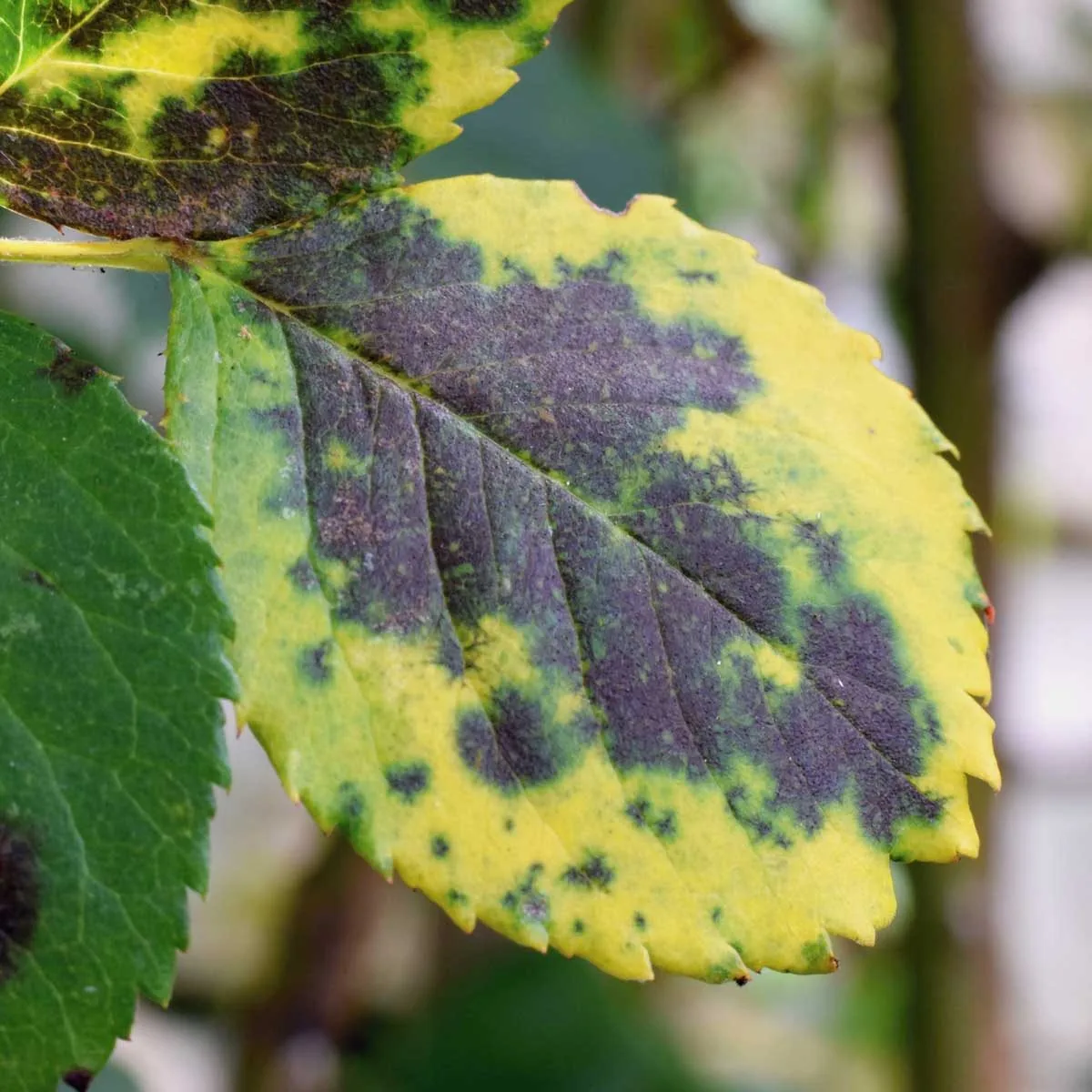
Leaf Blight
Various Fungal Pathogens
If leaves, stems, or fruit suddenly look spotted, sunken, or rotting, leaf blight may already be active. This problem often starts small, then spreads across healthy tissue before most growers realize how serious it is. Warmth, moisture, and crowded foliage usually speed it up. Treat early, because waiting even a few days can turn a manageable infection into major crop loss.
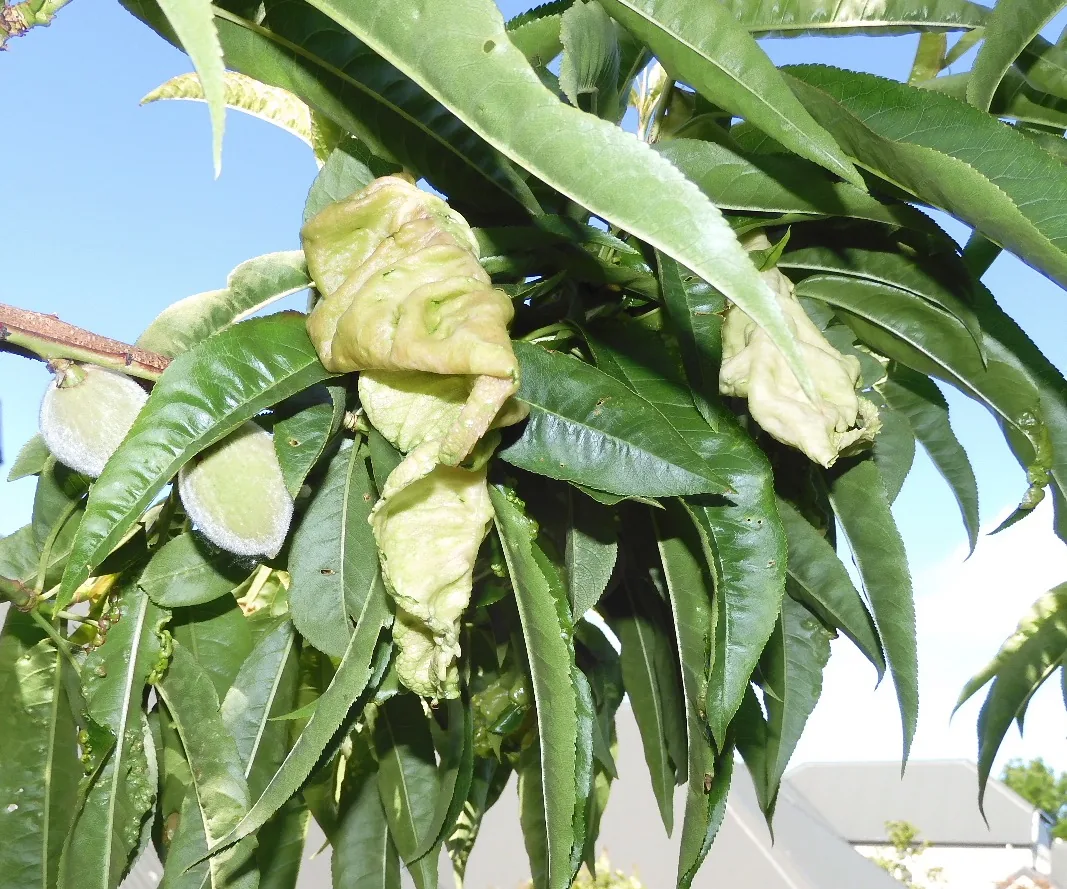
Leaf Curl
Taphrina deformans
If leaves, stems, or fruit suddenly look spotted, sunken, or rotting, leaf curl may already be active. This problem often starts small, then spreads across healthy tissue before most growers realize how serious it is. Warmth, moisture, and crowded foliage usually speed it up. Treat early, because waiting even a few days can turn a manageable infection into major crop loss.
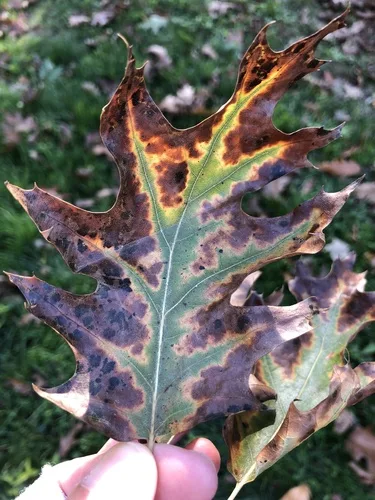
Leaf scorch
Physiological / pathological (multiple causes)
Leaf scorch is a pattern name for marginal or interveinal browning that advances inward while veins may stay greener for a time. Causes include drought stress, root restriction, salt accumulation, trunk injury, vascular pathogens, and rapid transpiration on hot windy days. Maples, oaks, and many urban trees show it first on the sunniest side of the crown. Diagnosis requires checking soil moisture, roots, irrigation water salts, and recent site disturbance together.
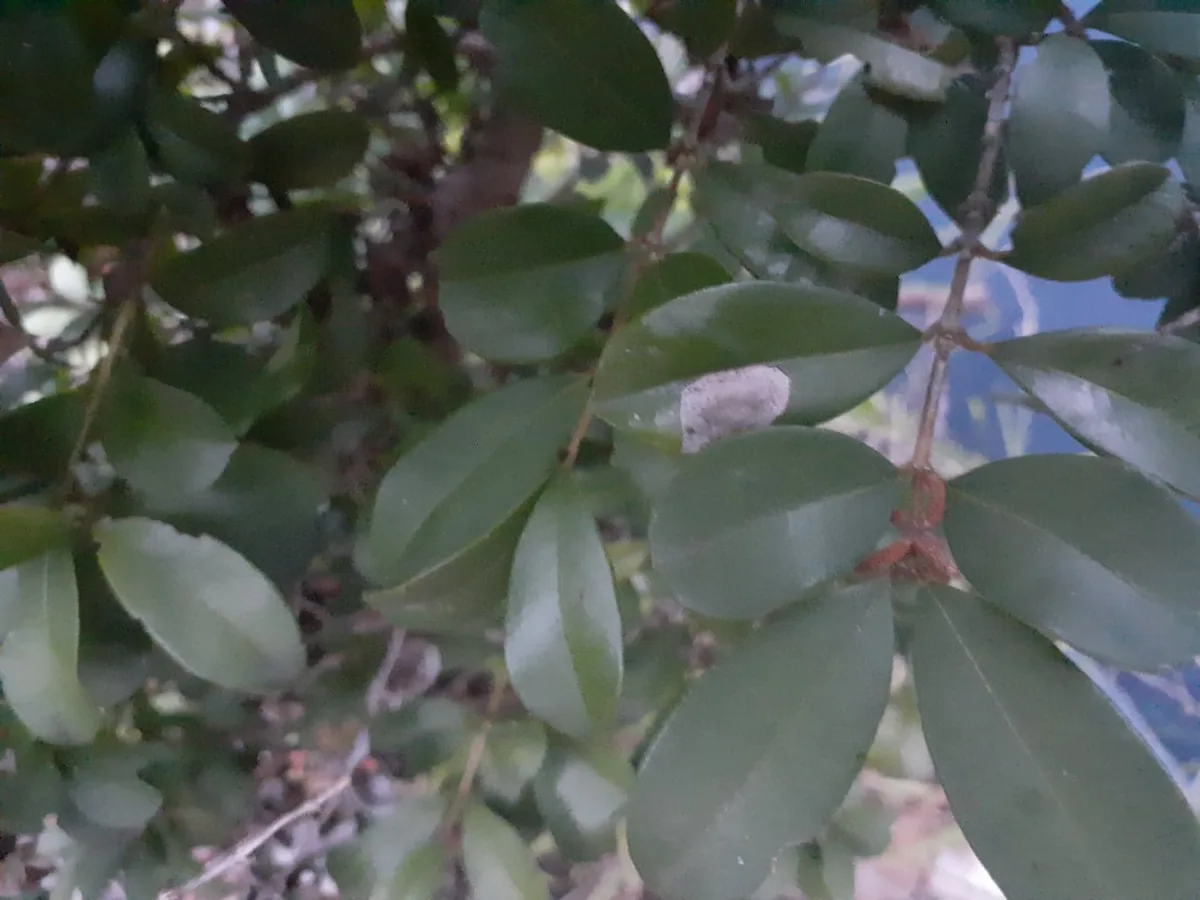
Leaf Spot
Multiple species (e.g., Cercospora, Septoria, Alternaria)
If leaves, stems, or fruit suddenly look spotted, sunken, or rotting, leaf spot may already be active. This problem often starts small, then spreads across healthy tissue before most growers realize how serious it is. Warmth, moisture, and crowded foliage usually speed it up. Treat early, because waiting even a few days can turn a manageable infection into major crop loss.
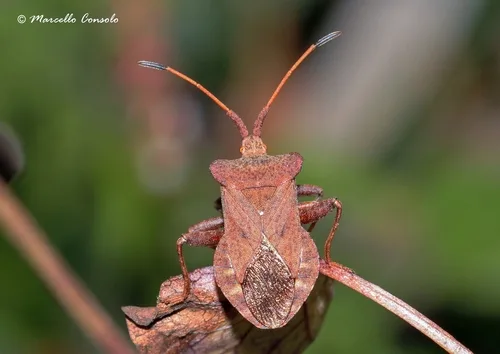
Leaf-footed bugs
Coreidae
Leaf-footed bugs are elongate true bugs with often widened hind tibiae on many species. They pierce fruit, seeds, and stems to feed, causing dimpling, discoloration, and premature drop. Nymphs sometimes aggregate in clusters on stems. They are common on tomatoes, peppers, squash, citrus, and nuts from temperate gardens through subtropical orchards.
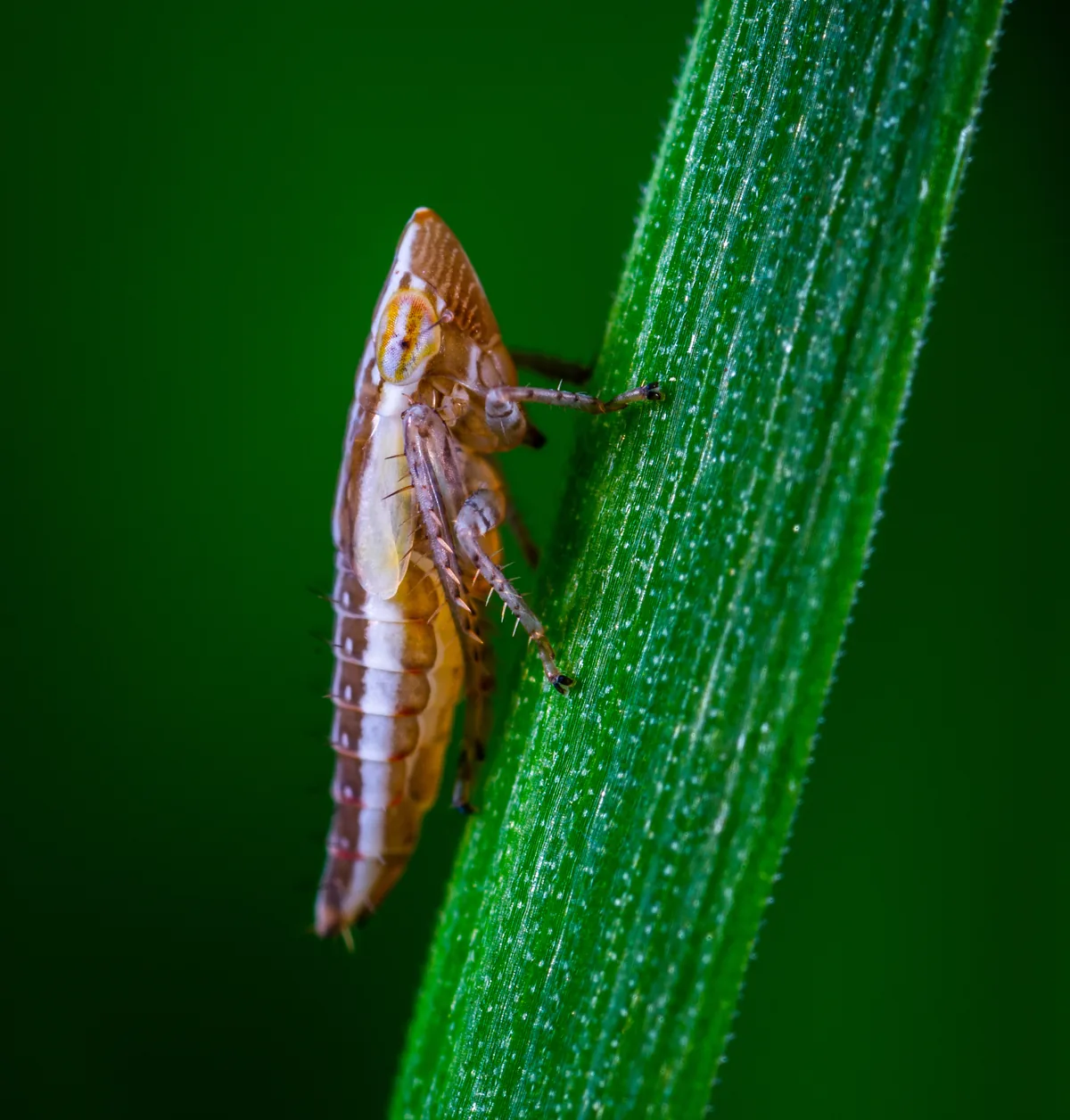
Leafhoppers
Cicadellidae
If new growth is curling, yellowing, sticky, or chewed, leafhoppers may already be on the plant. This pest often builds quietly, then damage appears all at once. Feeding stress weakens growth, reduces yield, and opens the door to secondary disease. Early cleanup is much easier than fighting a full population surge later.
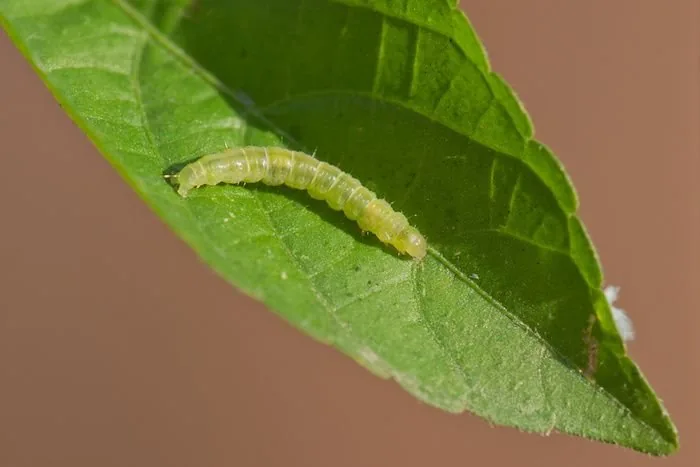
Leafrollers
Tortricidae
If new growth is curling, yellowing, sticky, or chewed, leafrollers may already be on the plant. This pest often builds quietly, then damage appears all at once. Feeding stress weakens growth, reduces yield, and opens the door to secondary disease. Early cleanup is much easier than fighting a full population surge later.
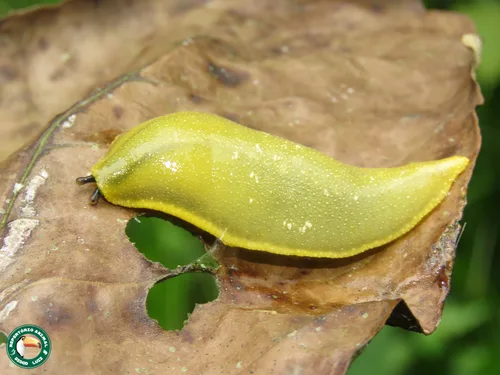
Leatherleaf slug
Leidyula floridana
Leatherleaf slug is a large tropical leatherleaf slug introduced in parts of the subtropical Americas where it damages seedlings, salad greens, and ornamentals at night. It leaves wide slime trails and ragged holes unlike narrow trails of small glass snails. It tolerates humidity and sheltered microclimates under pots, debris, and dense groundcovers. Populations spike after wet spells and warm nights.
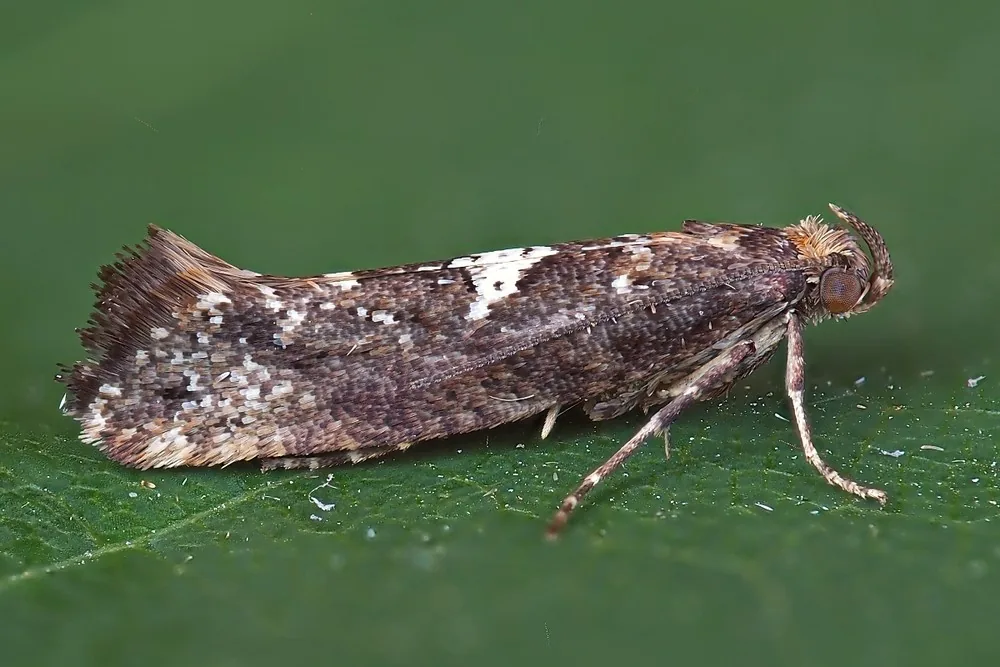
Leek Moth
Acrolepiopsis assectella
If new growth is curling, yellowing, sticky, or chewed, leek moth may already be on the plant. This pest often builds quietly, then damage appears all at once. Feeding stress weakens growth, reduces yield, and opens the door to secondary disease. Early cleanup is much easier than fighting a full population surge later.
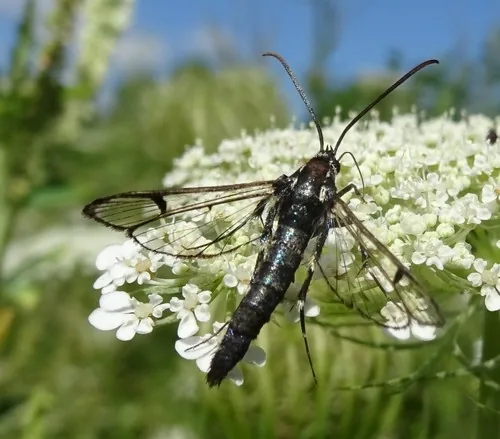
Lesser Peachtree Borer
Synanthedon pictipes
If new growth is curling, yellowing, sticky, or chewed, lesser peachtree borer may already be on the plant. This pest often builds quietly, then damage appears all at once. Feeding stress weakens growth, reduces yield, and opens the door to secondary disease. Early cleanup is much easier than fighting a full population surge later.
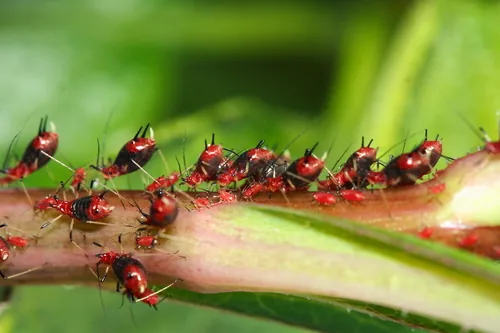
Lettuce Aphid
Nasonovia ribisnigri
If new growth is curling, yellowing, sticky, or chewed, lettuce aphid may already be on the plant. This pest often builds quietly, then damage appears all at once. Feeding stress weakens growth, reduces yield, and opens the door to secondary disease. Early cleanup is much easier than fighting a full population surge later.
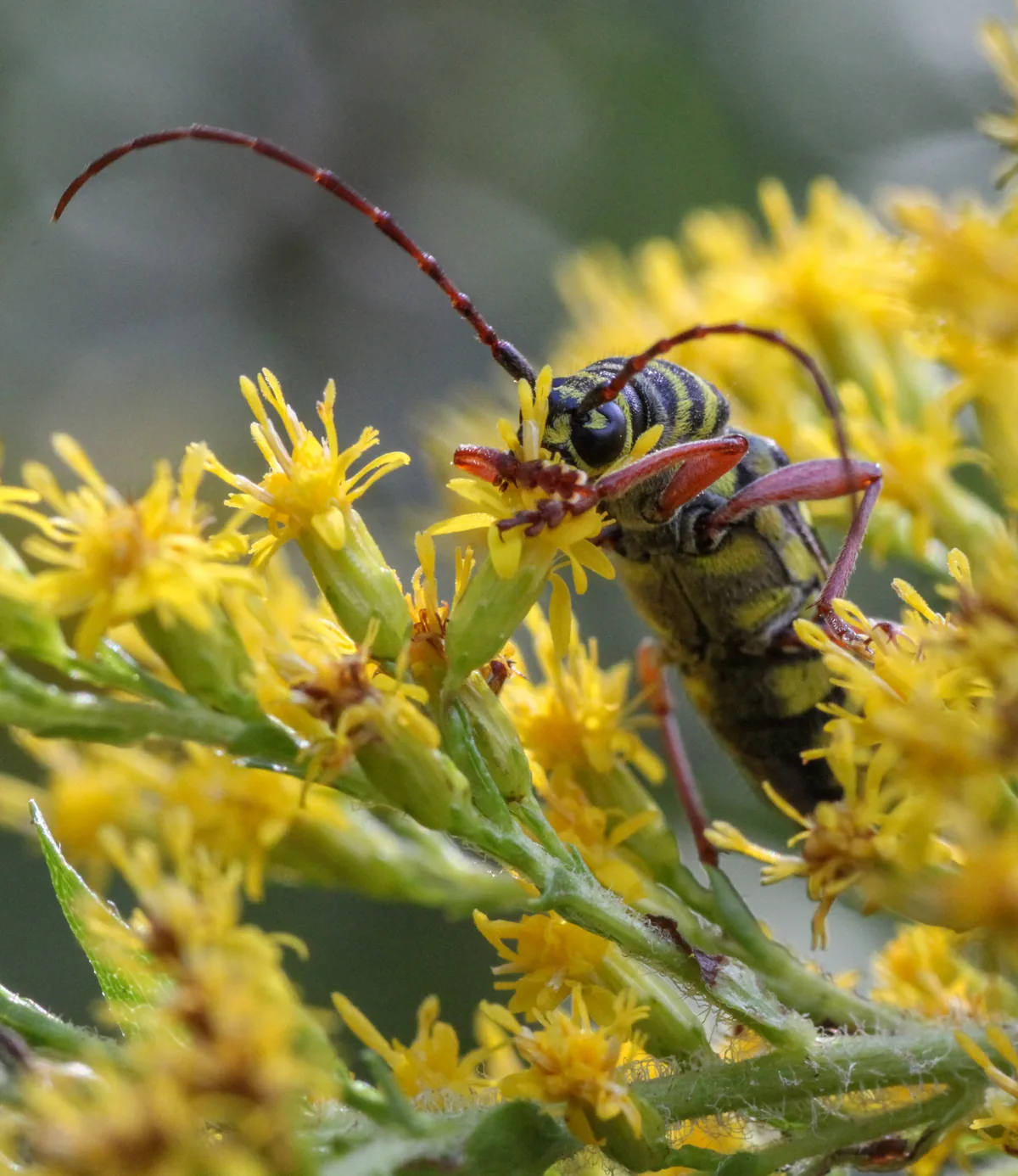
Locust Borer
Megacyllene robiniae
If new growth is curling, yellowing, sticky, or chewed, locust borer may already be on the plant. This pest often builds quietly, then damage appears all at once. Feeding stress weakens growth, reduces yield, and opens the door to secondary disease. Early cleanup is much easier than fighting a full population surge later.
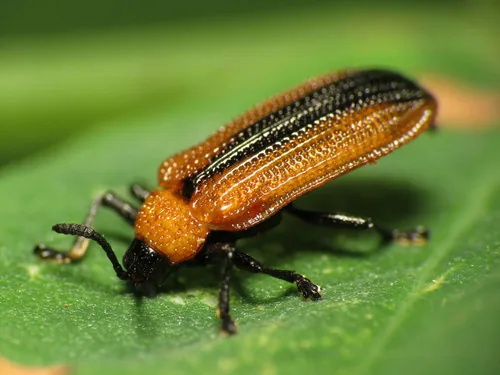
Locust Leaf Miner
Odontota dorsalis
If new growth is curling, yellowing, sticky, or chewed, locust leaf miner may already be on the plant. This pest often builds quietly, then damage appears all at once. Feeding stress weakens growth, reduces yield, and opens the door to secondary disease. Early cleanup is much easier than fighting a full population surge later.
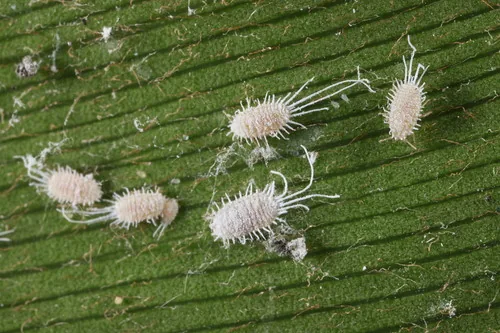
Longtailed Mealybug
Pseudococcus longispinus
If new growth is curling, yellowing, sticky, or chewed, longtailed mealybug may already be on the plant. This pest often builds quietly, then damage appears all at once. Feeding stress weakens growth, reduces yield, and opens the door to secondary disease. Early cleanup is much easier than fighting a full population surge later.
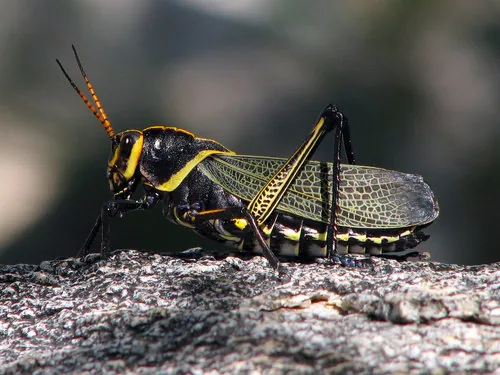
Lubber Grasshopper
Romalea microptera
If new growth is curling, yellowing, sticky, or chewed, lubber grasshopper may already be on the plant. This pest often builds quietly, then damage appears all at once. Feeding stress weakens growth, reduces yield, and opens the door to secondary disease. Early cleanup is much easier than fighting a full population surge later.
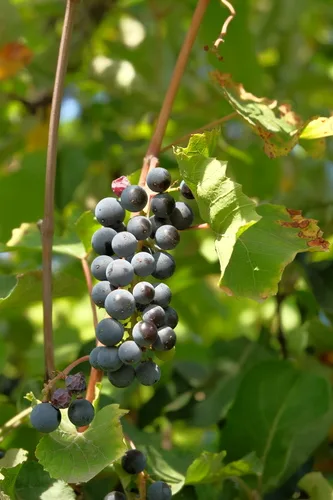
Magnesium deficiency
Physiological disorder (Mg)
Magnesium deficiency appears as interveinal chlorosis on older leaves first because magnesium is mobile in the plant and the canopy remobilizes it to new growth under shortage. Corn shows classic streaked leaves; apples show basal leaf drop patterns that differ from nitrogen shortage. Sandy leached soils, heavy potassium fertilization without magnesium balance, and very acid soils contribute. It is common in intensively cropped sandy fields and in container mixes fed one-sided bloom formulas.
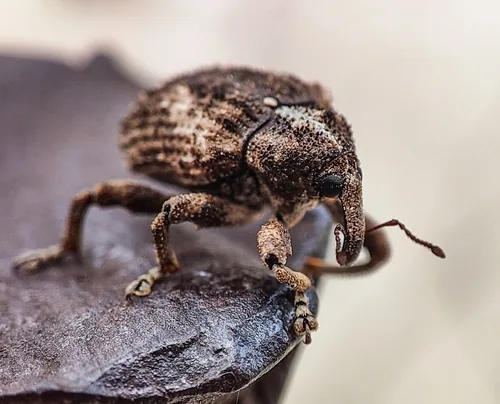
Mango Seed Weevil
Sternochetus mangiferae
If plants are wilting, notching at the edges, or fruit and roots show hidden feeding damage, mango seed weevil may be the cause. Adults chew above ground while larvae often feed out of sight inside soil, stems, or fruit. Damage builds quietly, then plants crash fast when roots are heavily hit. Act early so a small weevil problem does not become a season-long infestation.
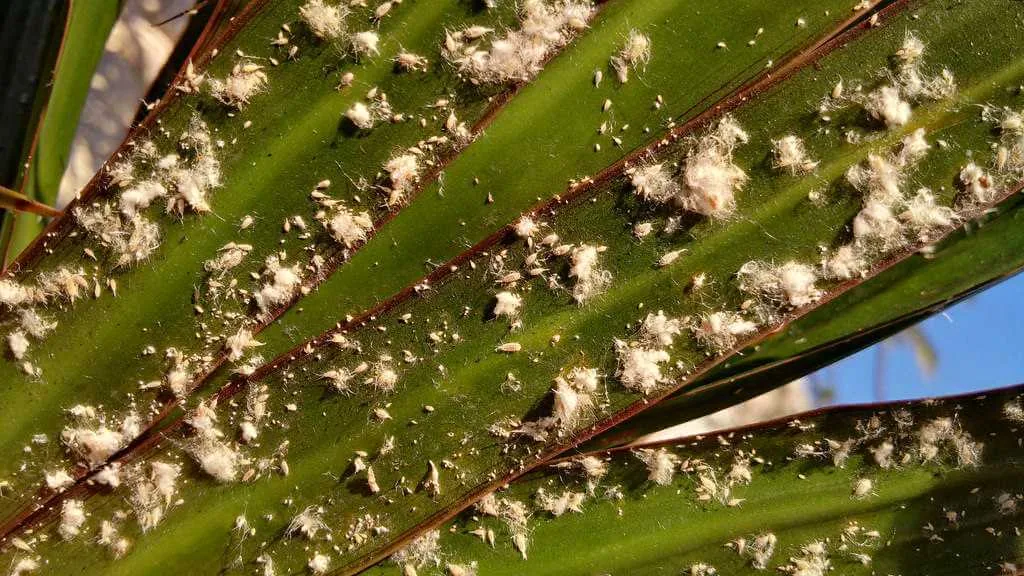
Mealybugs
Pseudococcidae
If new growth is curling, yellowing, sticky, or chewed, mealybugs may already be on the plant. This pest often builds quietly, then damage appears all at once. Feeding stress weakens growth, reduces yield, and opens the door to secondary disease. Early cleanup is much easier than fighting a full population surge later.
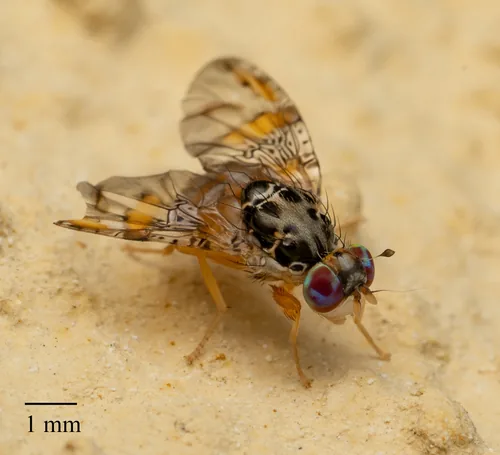
Mediterranean Fruit Fly
Ceratitis capitata
If leaves show trails, fruit turns soft, or roots collapse from inside, mediterranean fruit fly may already be feeding. The larval stage does most of the damage, often hidden where you cannot see it at first glance. By the time yellowing or rot appears, feeding may be well underway. Move quickly when symptoms begin to prevent another wave of eggs and larvae.
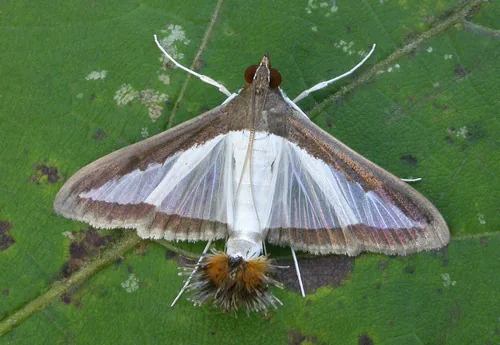
Melonworm
Diaphania hyalinata
If leaves look shredded overnight or fruit has fresh chew holes, melonworm may be feeding right now. These larvae can eat fast and strip a healthy plant in a short window. Young stages are easy to miss, then damage suddenly explodes as they grow. Catch them early to avoid severe defoliation and contaminated harvests.
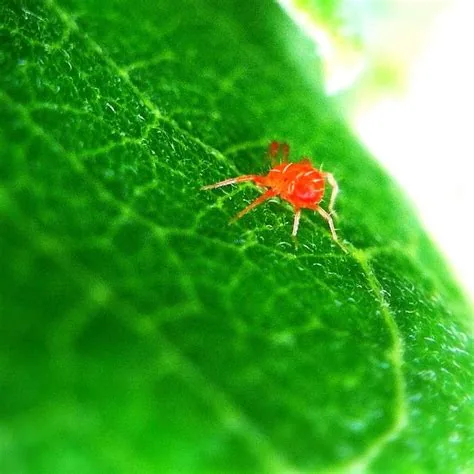
Mites
Acari
If leaves look dusty, speckled, bronzed, or curled without obvious chewing, mites is a likely suspect. Mites are tiny but can multiply fast, especially during heat and dry air. Plants lose vigor as feeding drains cell contents from leaves and tender growth. Early action matters, because heavy infestations can spread through a bed in days.
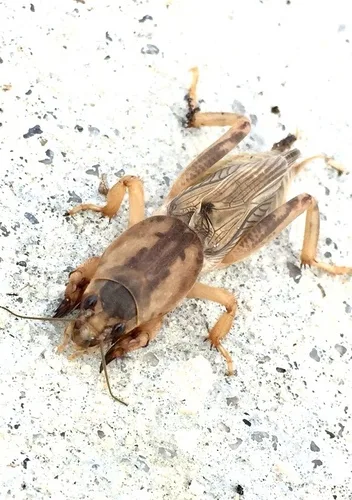
Mole crickets
Gryllotalpidae (Scapteriscus, Gryllotalpa, Neocurtilla)
Mole crickets are chunky orthopterans with shovel-like forelegs that tunnel through soil, severing roots and uprooting small plants. Turf feels spongy and tunnels may open after rain. Some species call loudly at dusk. They are serious pests of lawns, pastures, and vegetables on sandy soils from warm temperate to tropical lowlands wherever moisture allows year-round activity.
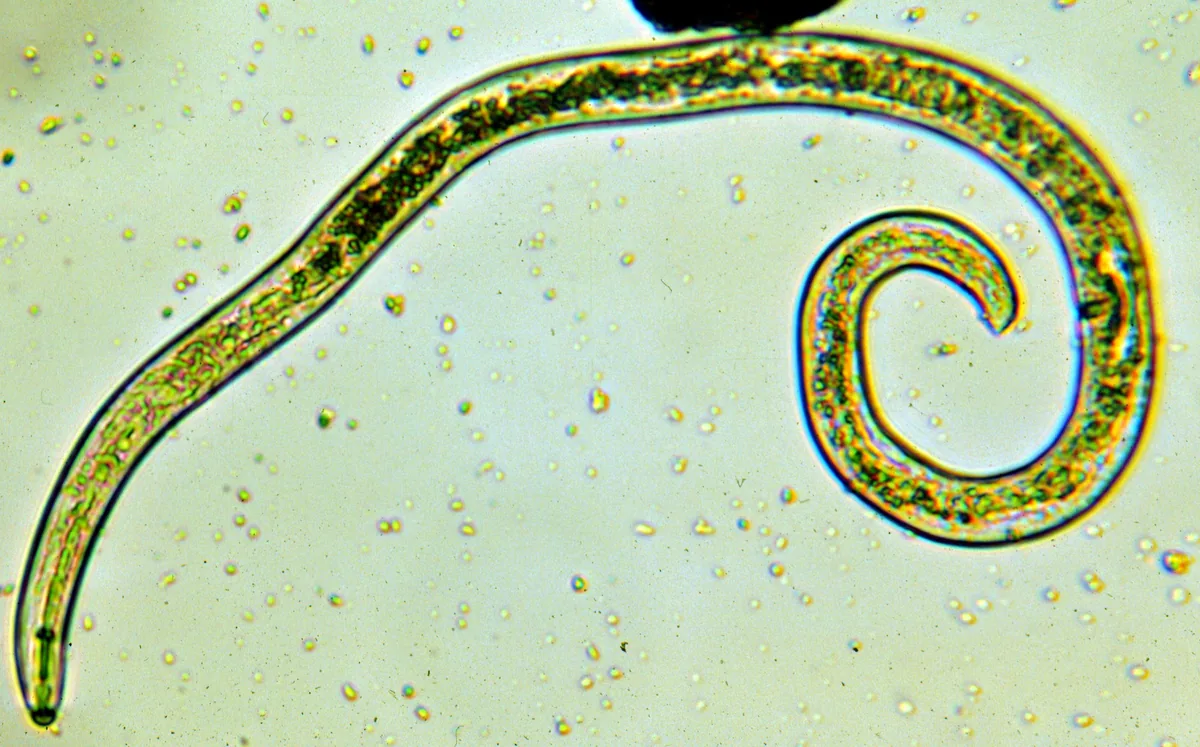
Nematodes
Meloidogyne spp.
If plants stay stunted, yellow, and thirsty even with good care, nematodes may be attacking below ground. These microscopic pests damage roots, so the top growth declines before the cause is obvious. Yield drops and wilting worsen in heat because damaged roots cannot keep up. Once populations build in soil, control gets harder, so early detection is critical.
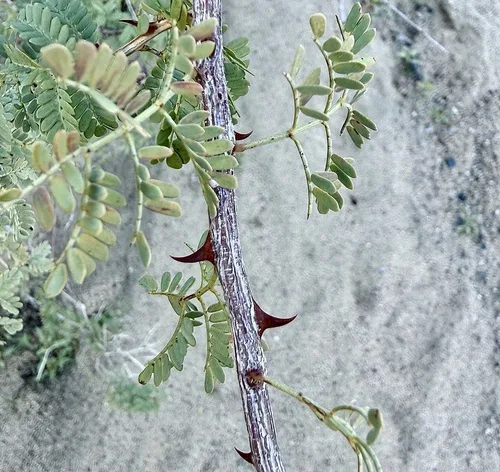
Nitrogen deficiency
Physiological disorder (N)
Nitrogen deficiency shows as overall pale yellow-green growth, often starting on older leaves because nitrogen is mobile and the plant sacrifices lower canopy first. Stunting, thin stems, and lower protein in leafy crops follow. Legumes with poor nodulation can look like nitrogen lack even when soil nitrogen exists. Excess rain leaches nitrate; cold soil slows mineralization in organic systems.
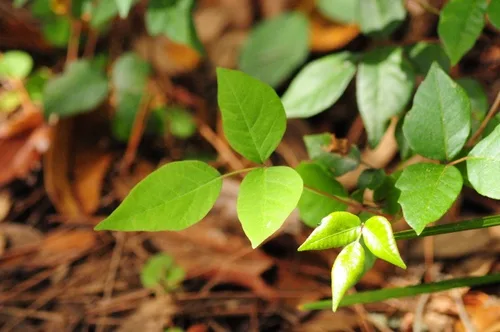
Nutrient burn
Physiological disorder (salt / fertilizer injury)
Nutrient burn appears as browned leaf tips and margins, sometimes with darkening along the rim of affected leaves, after heavy fertilizer application, foliar feed in heat, or rising salts in irrigation water. Container plants show it first as white crust on media and marginal necrosis. It stacks with drought stress and wind, so the margin pattern alone is not proof without reviewing recent inputs and electrical conductivity.
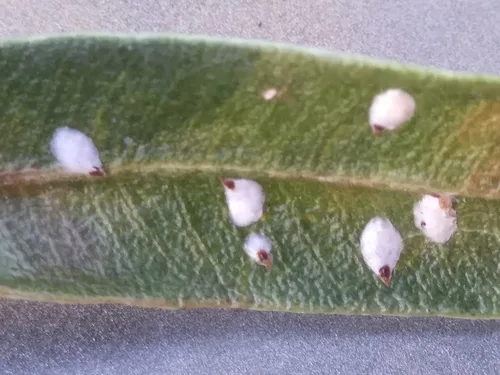
Oleander scale
Aspidiotus nerii
Oleander scale is a circular armored scale that infests oleander, citrus relatives, orchids, and many broadleaf ornamentals. It sits flat on leaves and stems under a central cover, removing sap and causing yellow speckling, die-back, and sooty mold if honeydew-producing partners are nearby. Outbreaks follow dusty foliage, ant tending, or repeated sprays that remove parasitoids.
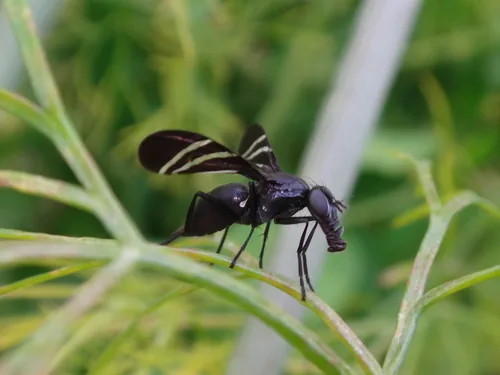
Onion Fly
Delia antiqua
If leaves show trails, fruit turns soft, or roots collapse from inside, onion fly may already be feeding. The larval stage does most of the damage, often hidden where you cannot see it at first glance. By the time yellowing or rot appears, feeding may be well underway. Move quickly when symptoms begin to prevent another wave of eggs and larvae.
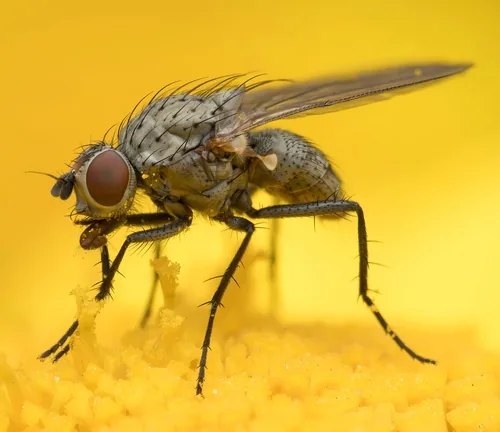
Onion Maggot
Delia antiqua
If leaves show trails, fruit turns soft, or roots collapse from inside, onion maggot may already be feeding. The larval stage does most of the damage, often hidden where you cannot see it at first glance. By the time yellowing or rot appears, feeding may be well underway. Move quickly when symptoms begin to prevent another wave of eggs and larvae.
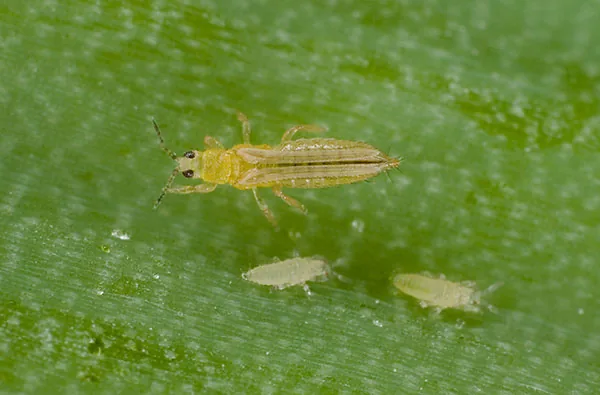
Onion Thrips
Thrips tabaci
If new growth is curling, yellowing, sticky, or chewed, onion thrips may already be on the plant. This pest often builds quietly, then damage appears all at once. Feeding stress weakens growth, reduces yield, and opens the door to secondary disease. Early cleanup is much easier than fighting a full population surge later.
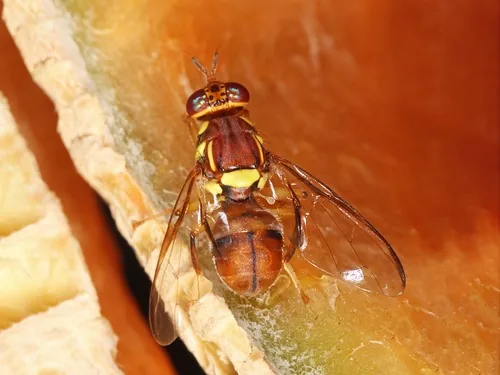
Oriental Fruit Fly
Bactrocera dorsalis
If leaves show trails, fruit turns soft, or roots collapse from inside, oriental fruit fly may already be feeding. The larval stage does most of the damage, often hidden where you cannot see it at first glance. By the time yellowing or rot appears, feeding may be well underway. Move quickly when symptoms begin to prevent another wave of eggs and larvae.
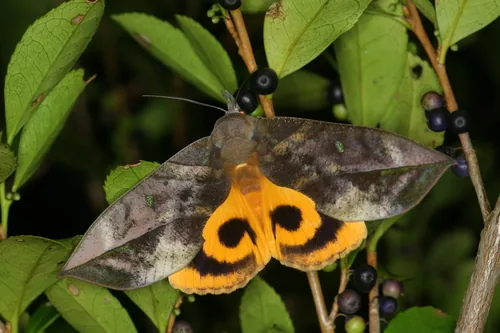
Oriental Fruit Moth
Grapholita molesta
If new growth is curling, yellowing, sticky, or chewed, oriental fruit moth may already be on the plant. This pest often builds quietly, then damage appears all at once. Feeding stress weakens growth, reduces yield, and opens the door to secondary disease. Early cleanup is much easier than fighting a full population surge later.
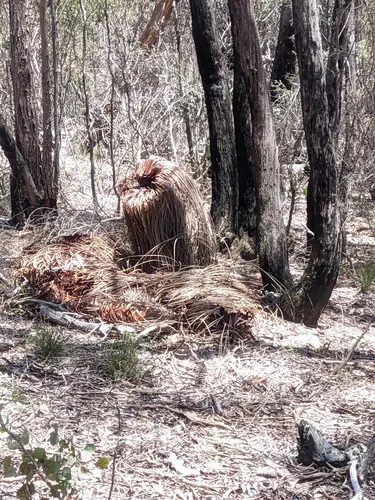
Overwatering root rot
Pythium, Phytophthora, Rhizoctonia (complex)
Overwatering root rot is a syndrome where roots sit anaerobic long enough for opportunistic oomycetes and fungi to colonize fine roots, causing wilting despite wet soil, browning at the crown, and sudden collapse of seedlings. It is extremely common in containers without drainage, in heavy clay with poor grading, and in automated irrigation that never dries between cycles. Fixing water first beats chasing pathogens that return the moment media stays soggy again.
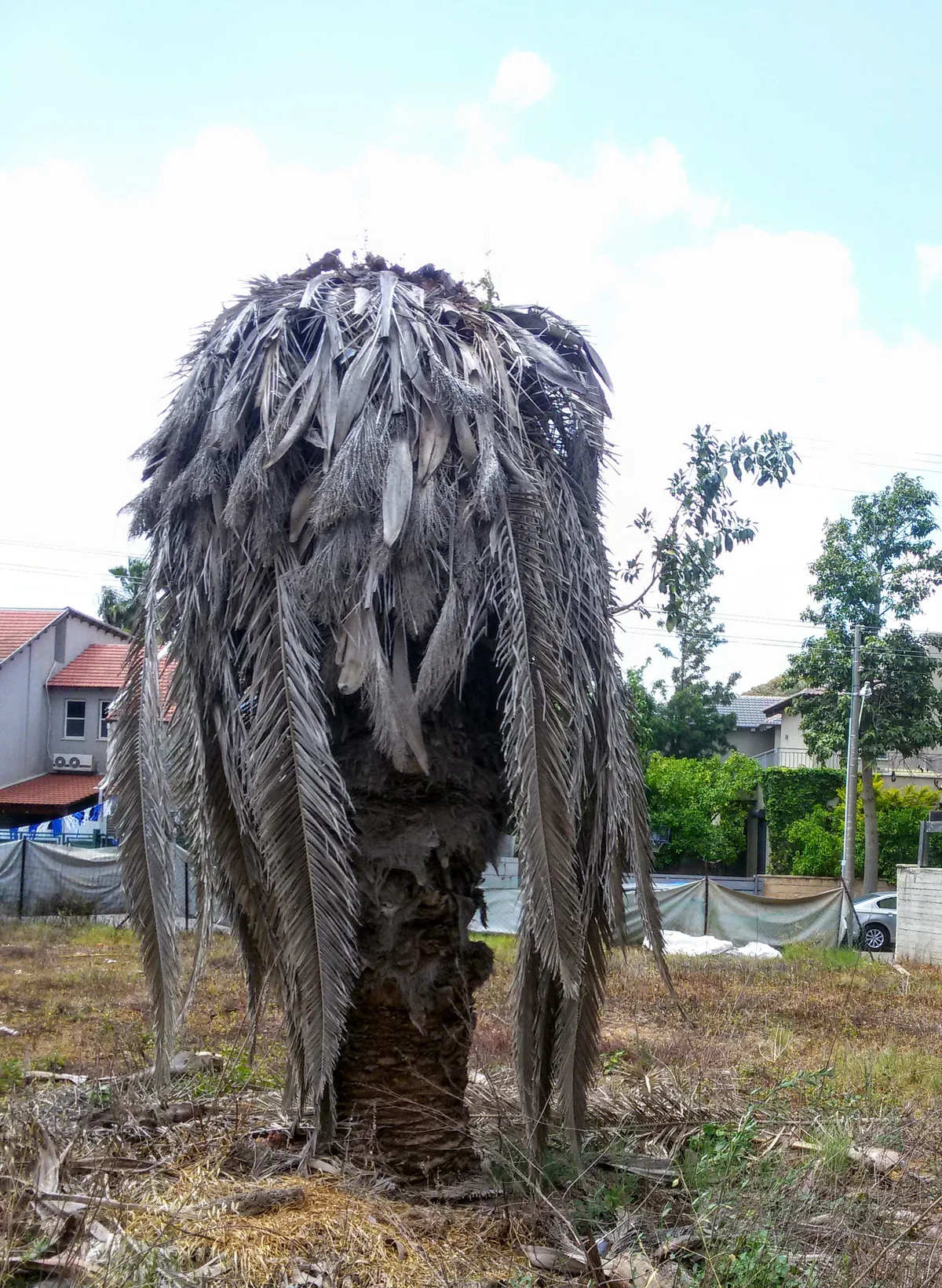
Palm Weevil
Rhynchophorus palmarum
If plants are wilting, notching at the edges, or fruit and roots show hidden feeding damage, palm weevil may be the cause. Adults chew above ground while larvae often feed out of sight inside soil, stems, or fruit. Damage builds quietly, then plants crash fast when roots are heavily hit. Act early so a small weevil problem does not become a season-long infestation.
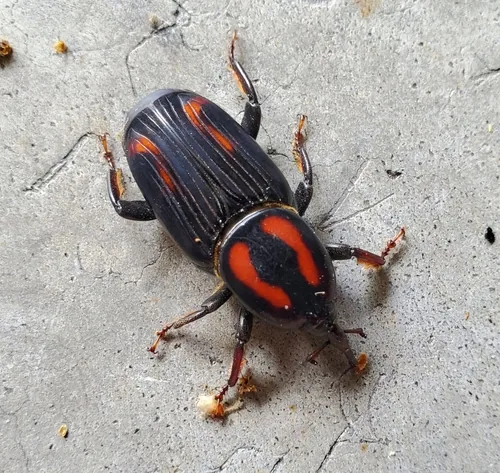
Palmetto Weevil
Rhynchophorus cruentatus
If plants are wilting, notching at the edges, or fruit and roots show hidden feeding damage, palmetto weevil may be the cause. Adults chew above ground while larvae often feed out of sight inside soil, stems, or fruit. Damage builds quietly, then plants crash fast when roots are heavily hit. Act early so a small weevil problem does not become a season-long infestation.
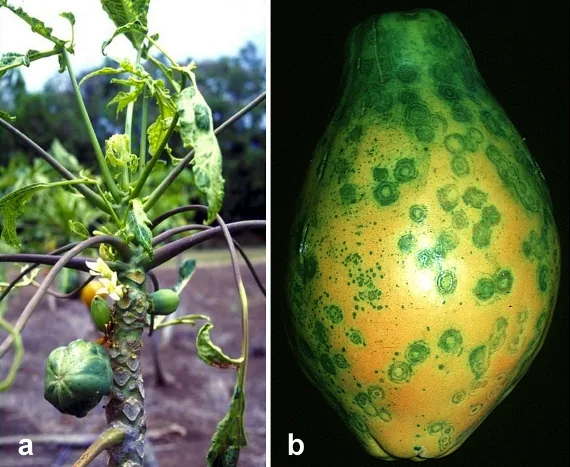
Papaya Ringspot Virus
Papaya ringspot virus (PRSV; genus Potyvirus)
If leaves, stems, or fruit suddenly look spotted, sunken, or rotting, papaya ringspot virus may already be active. This problem often starts small, then spreads across healthy tissue before most growers realize how serious it is. Warmth, moisture, and crowded foliage usually speed it up. Treat early, because waiting even a few days can turn a manageable infection into major crop loss.
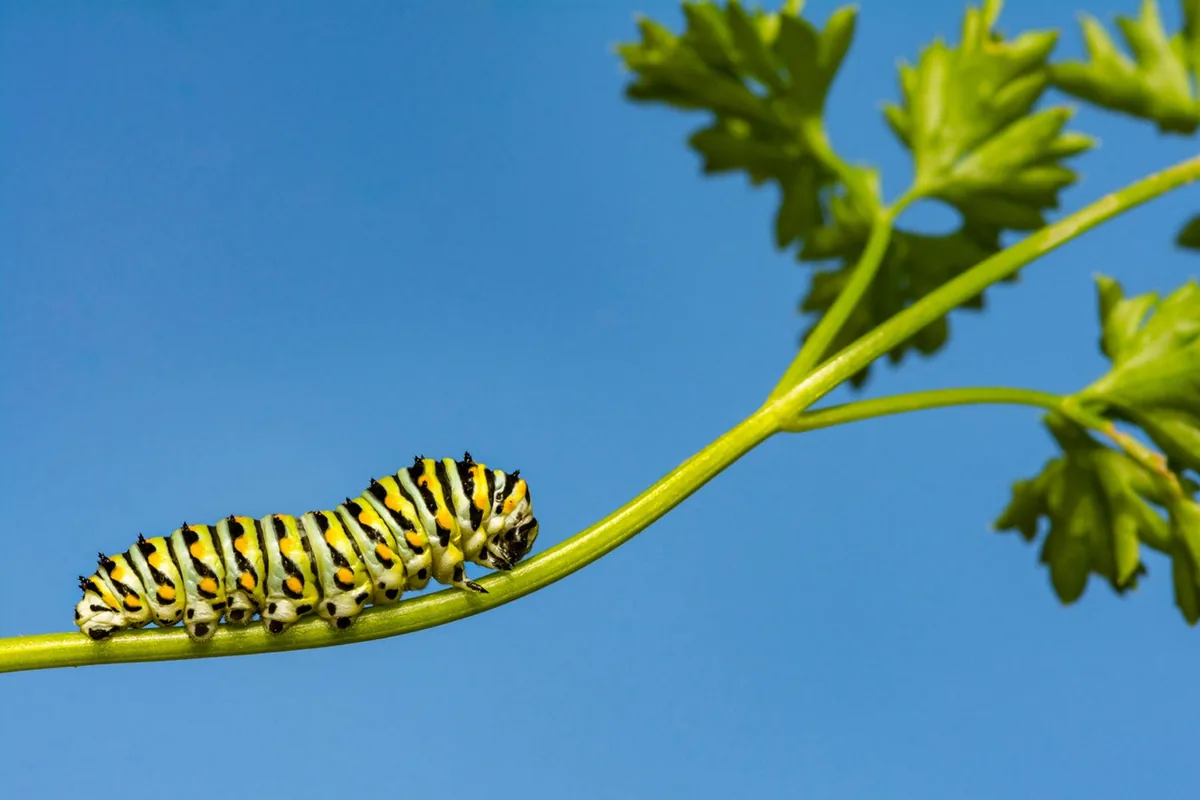
Parsley Worms
Depressaria sp.
If leaves look shredded overnight or fruit has fresh chew holes, parsley worms may be feeding right now. These larvae can eat fast and strip a healthy plant in a short window. Young stages are easy to miss, then damage suddenly explodes as they grow. Catch them early to avoid severe defoliation and contaminated harvests.
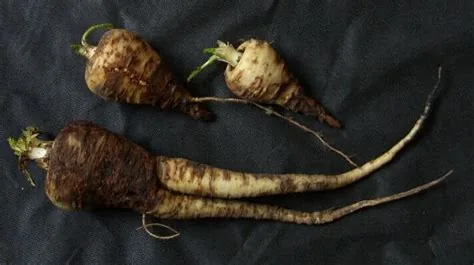
Parsnip Canker
Sclerotinia sclerotiorum
If leaves, stems, or fruit suddenly look spotted, sunken, or rotting, parsnip canker may already be active. This problem often starts small, then spreads across healthy tissue before most growers realize how serious it is. Warmth, moisture, and crowded foliage usually speed it up. Treat early, because waiting even a few days can turn a manageable infection into major crop loss.
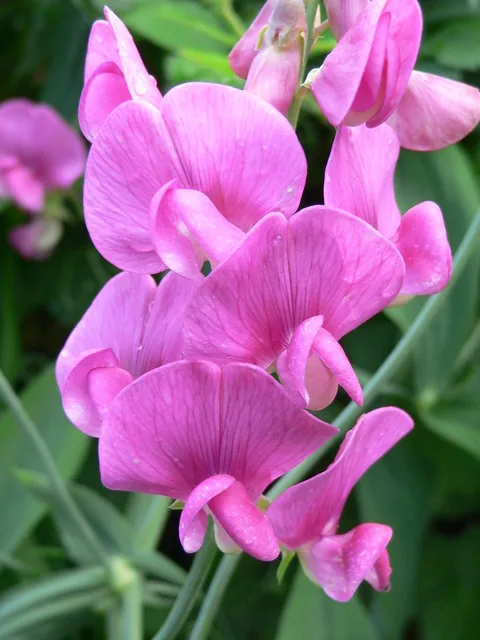
Pea Moth
Cydia nigricana
If new growth is curling, yellowing, sticky, or chewed, pea moth may already be on the plant. This pest often builds quietly, then damage appears all at once. Feeding stress weakens growth, reduces yield, and opens the door to secondary disease. Early cleanup is much easier than fighting a full population surge later.
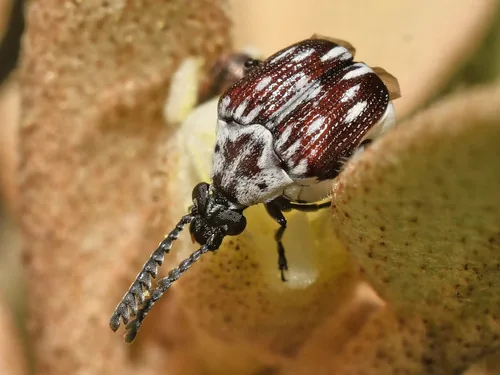
Pea Weevil
Bruchus pisorum
If plants are wilting, notching at the edges, or fruit and roots show hidden feeding damage, pea weevil may be the cause. Adults chew above ground while larvae often feed out of sight inside soil, stems, or fruit. Damage builds quietly, then plants crash fast when roots are heavily hit. Act early so a small weevil problem does not become a season-long infestation.
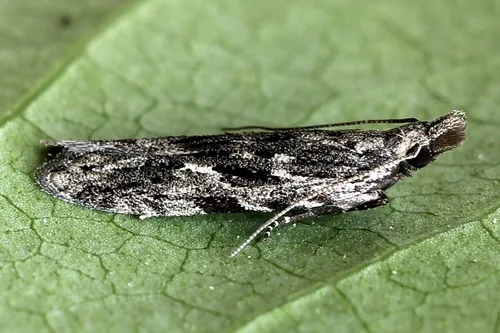
Peach Twig Borer
Anarsia lineatella
If new growth is curling, yellowing, sticky, or chewed, peach twig borer may already be on the plant. This pest often builds quietly, then damage appears all at once. Feeding stress weakens growth, reduces yield, and opens the door to secondary disease. Early cleanup is much easier than fighting a full population surge later.
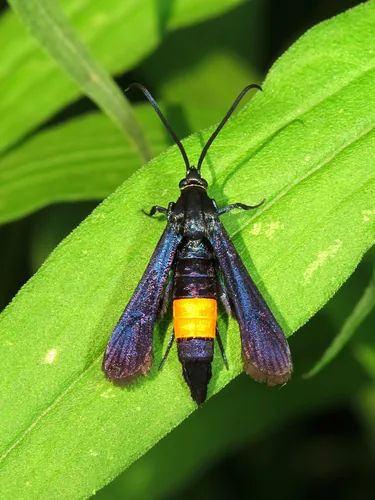
Peachtree Borer
Synanthedon exitiosa
If new growth is curling, yellowing, sticky, or chewed, peachtree borer may already be on the plant. This pest often builds quietly, then damage appears all at once. Feeding stress weakens growth, reduces yield, and opens the door to secondary disease. Early cleanup is much easier than fighting a full population surge later.
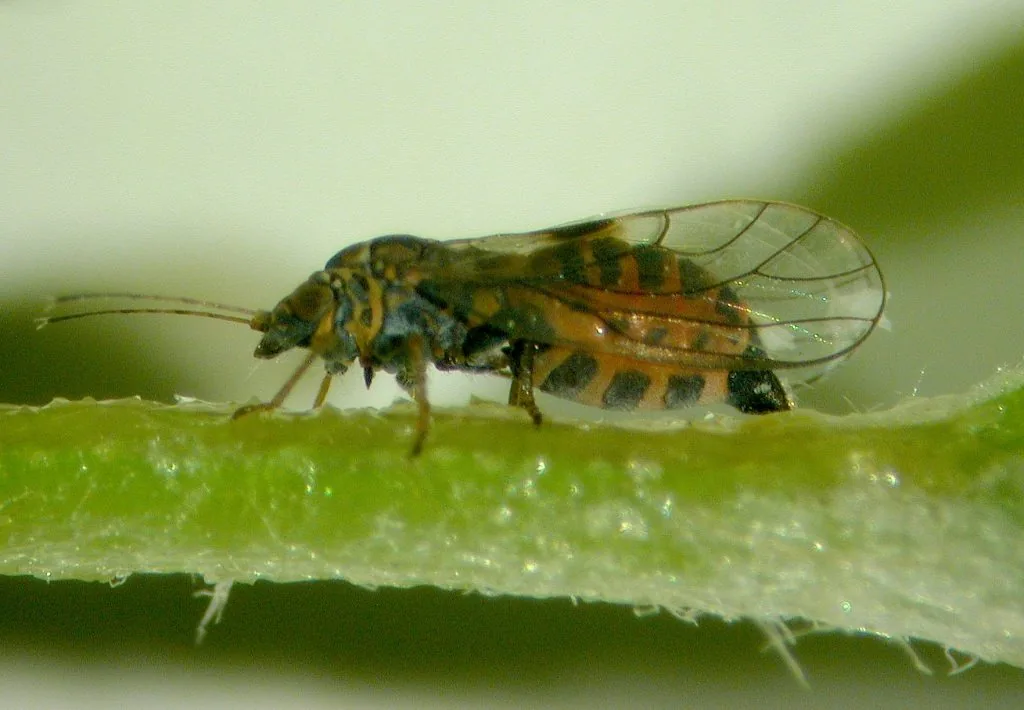
Pear Psylla
Cacopsylla pyricola
If new growth is curling, yellowing, sticky, or chewed, pear psylla may already be on the plant. This pest often builds quietly, then damage appears all at once. Feeding stress weakens growth, reduces yield, and opens the door to secondary disease. Early cleanup is much easier than fighting a full population surge later.
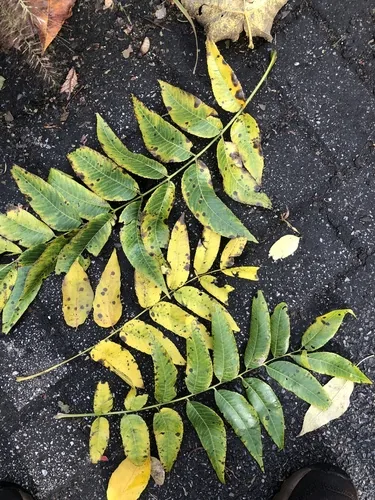
Pecan Scab
Fusicladium effusum
If leaves, stems, or fruit suddenly look spotted, sunken, or rotting, pecan scab may already be active. This problem often starts small, then spreads across healthy tissue before most growers realize how serious it is. Warmth, moisture, and crowded foliage usually speed it up. Treat early, because waiting even a few days can turn a manageable infection into major crop loss.
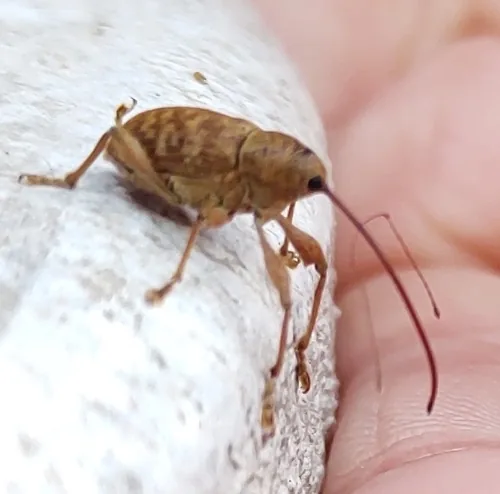
Pecan Weevil
Curculio caryae
If plants are wilting, notching at the edges, or fruit and roots show hidden feeding damage, pecan weevil may be the cause. Adults chew above ground while larvae often feed out of sight inside soil, stems, or fruit. Damage builds quietly, then plants crash fast when roots are heavily hit. Act early so a small weevil problem does not become a season-long infestation.
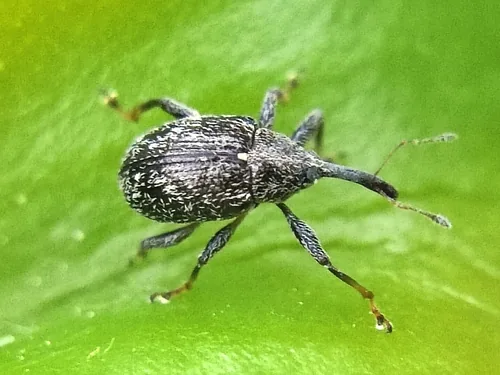
Pepper Weevil
Anthonomus eugenii
If plants are wilting, notching at the edges, or fruit and roots show hidden feeding damage, pepper weevil may be the cause. Adults chew above ground while larvae often feed out of sight inside soil, stems, or fruit. Damage builds quietly, then plants crash fast when roots are heavily hit. Act early so a small weevil problem does not become a season-long infestation.
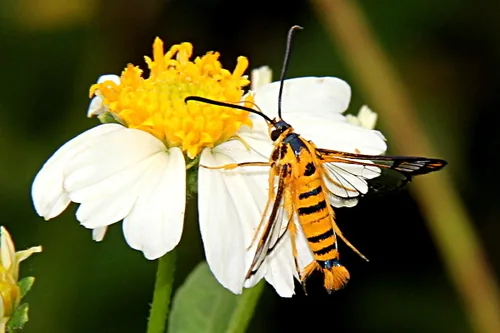
Persimmon Borer
Sannina uroceriformis
If new growth is curling, yellowing, sticky, or chewed, persimmon borer may already be on the plant. This pest often builds quietly, then damage appears all at once. Feeding stress weakens growth, reduces yield, and opens the door to secondary disease. Early cleanup is much easier than fighting a full population surge later.
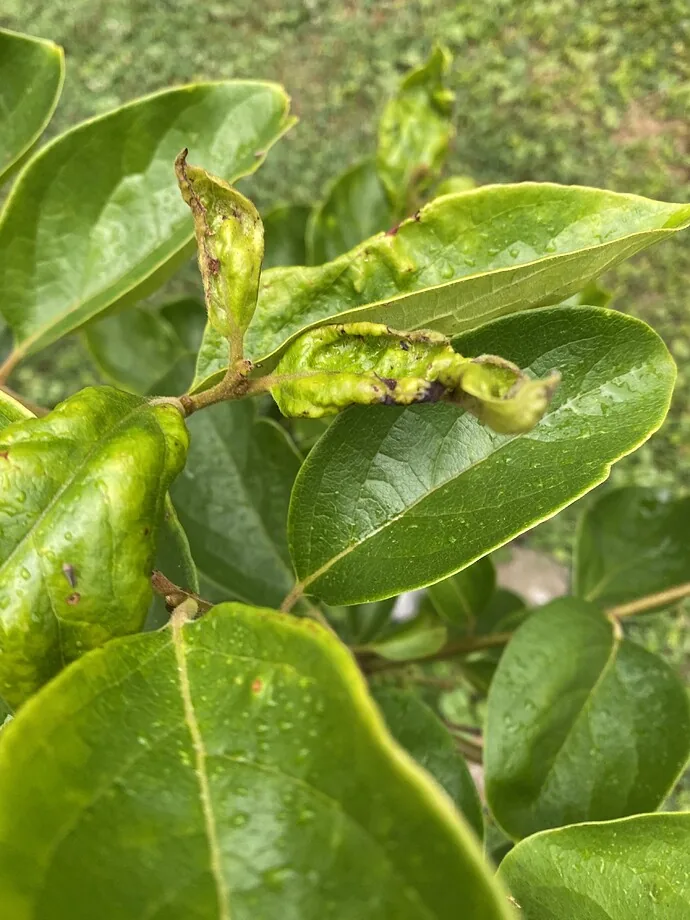
Persimmon Psylla
Cacopsylla persimmonica
If new growth is curling, yellowing, sticky, or chewed, persimmon psylla may already be on the plant. This pest often builds quietly, then damage appears all at once. Feeding stress weakens growth, reduces yield, and opens the door to secondary disease. Early cleanup is much easier than fighting a full population surge later.
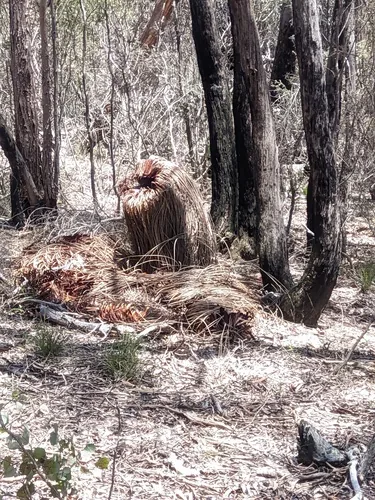
Phytophthora Root Rot
Phytophthora spp.
If leaves, stems, or fruit suddenly look spotted, sunken, or rotting, phytophthora root rot may already be active. This problem often starts small, then spreads across healthy tissue before most growers realize how serious it is. Warmth, moisture, and crowded foliage usually speed it up. Treat early, because waiting even a few days can turn a manageable infection into major crop loss.
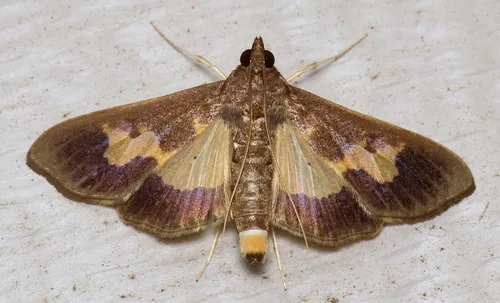
Pickleworm
Diaphania nitidalis
If leaves look shredded overnight or fruit has fresh chew holes, pickleworm may be feeding right now. These larvae can eat fast and strip a healthy plant in a short window. Young stages are easy to miss, then damage suddenly explodes as they grow. Catch them early to avoid severe defoliation and contaminated harvests.
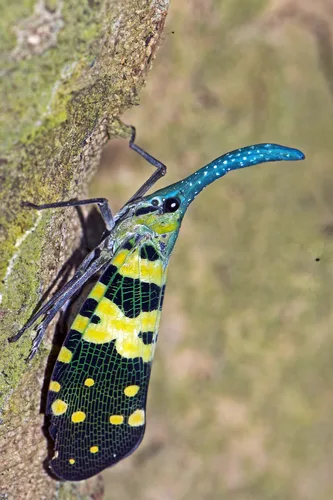
Planthoppers
Fulgoroidea and related Auchenorrhyncha
Planthoppers are sap-feeding hemipterans that include many shapes from moths-like planthoppers to wedge-shaped rice pests. Dense populations cause hopperburn, stunt growth, and vector plant pathogens on some crops. Honeydew supports sooty mold when species excrete it. They explode after mild winters, continuous cropping, or excessive nitrogen that favors rapid nymph development across tropical to temperate rice, pasture, and orchard systems.
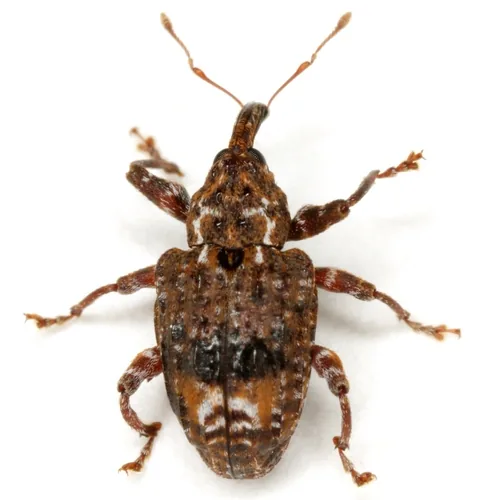
Plum Curculio
Conotrachelus nenuphar
If new growth is curling, yellowing, sticky, or chewed, plum curculio may already be on the plant. This pest often builds quietly, then damage appears all at once. Feeding stress weakens growth, reduces yield, and opens the door to secondary disease. Early cleanup is much easier than fighting a full population surge later.
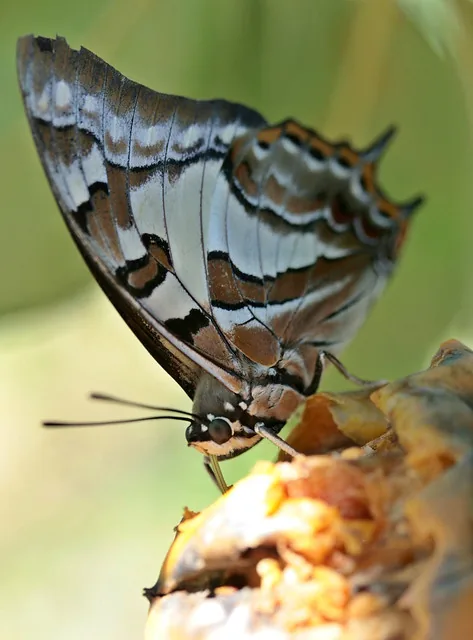
Pomegranate Butterfly
Hypolimnas bolina
If leaves show trails, fruit turns soft, or roots collapse from inside, pomegranate butterfly may already be feeding. The larval stage does most of the damage, often hidden where you cannot see it at first glance. By the time yellowing or rot appears, feeding may be well underway. Move quickly when symptoms begin to prevent another wave of eggs and larvae.
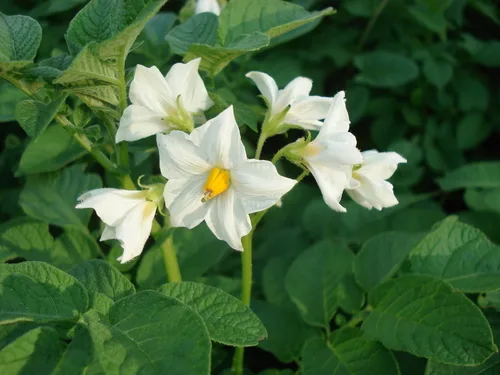
Potassium deficiency
Physiological disorder (K)
Potassium deficiency shows as marginal and interveinal chlorosis on older leaves first, progressing to scorch and cupping in some species. Fruit may ripen unevenly, vines may show weak stems, and legume nodules work poorly when potassium is critically low alongside other stresses. Sandy soils, heavy fruit loads, and leaching rains all strip potassium. Magnesium and calcium interactions can mimic symptoms, so pattern plus testing beats guessing.
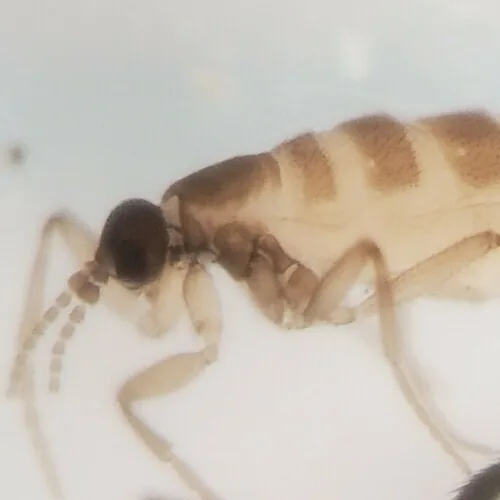
Potato Scab
Streptomyces scabies
If leaves, stems, or fruit suddenly look spotted, sunken, or rotting, potato scab may already be active. This problem often starts small, then spreads across healthy tissue before most growers realize how serious it is. Warmth, moisture, and crowded foliage usually speed it up. Treat early, because waiting even a few days can turn a manageable infection into major crop loss.
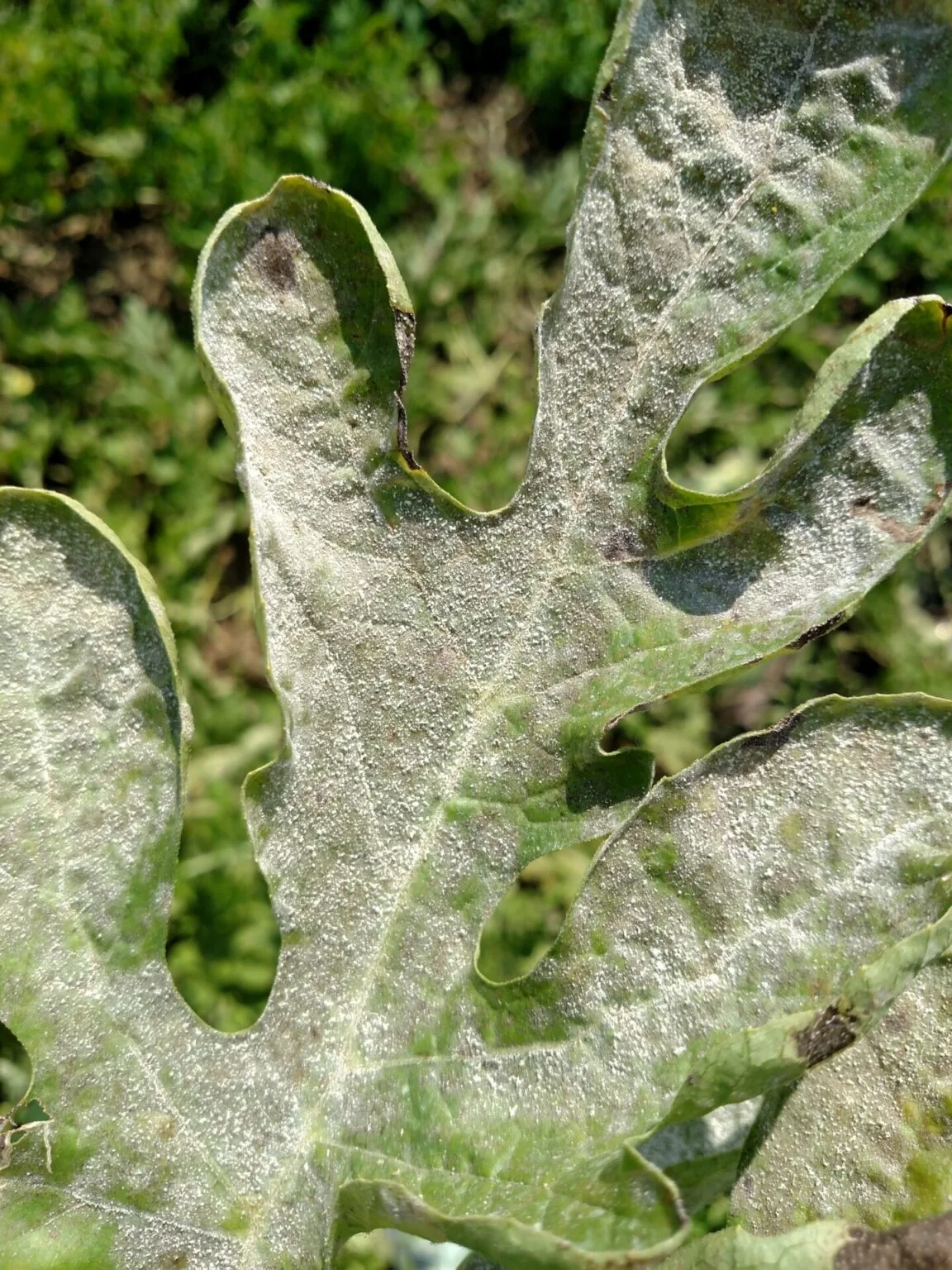
Powdery Mildew
Erysiphales
If leaves, stems, or fruit suddenly look spotted, sunken, or rotting, powdery mildew may already be active. This problem often starts small, then spreads across healthy tissue before most growers realize how serious it is. Warmth, moisture, and crowded foliage usually speed it up. Treat early, because waiting even a few days can turn a manageable infection into major crop loss.
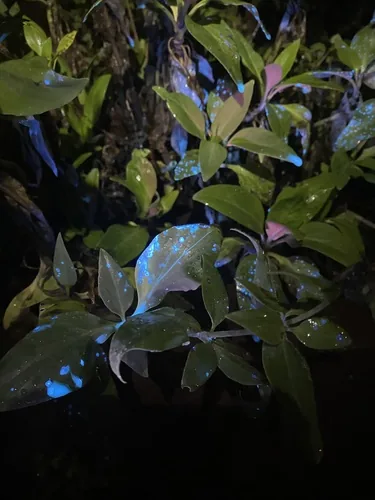
Pythium Root Rot
Pythium spp.
If leaves, stems, or fruit suddenly look spotted, sunken, or rotting, pythium root rot may already be active. This problem often starts small, then spreads across healthy tissue before most growers realize how serious it is. Warmth, moisture, and crowded foliage usually speed it up. Treat early, because waiting even a few days can turn a manageable infection into major crop loss.
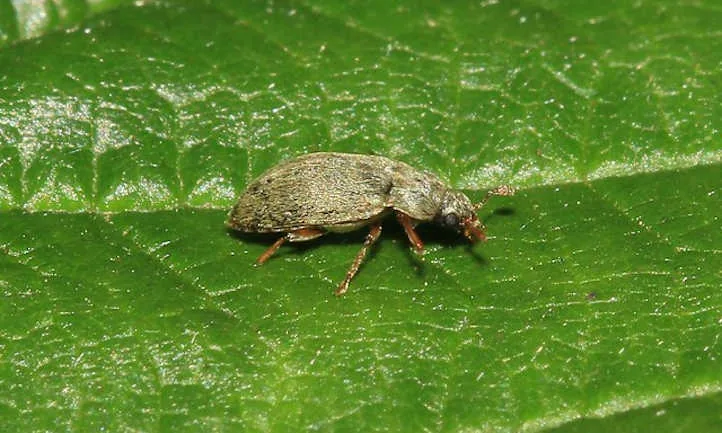
Raspberry Beetle
Glischrochilus sanguinolentus
If new growth is curling, yellowing, sticky, or chewed, raspberry beetle may already be on the plant. This pest often builds quietly, then damage appears all at once. Feeding stress weakens growth, reduces yield, and opens the door to secondary disease. Early cleanup is much easier than fighting a full population surge later.
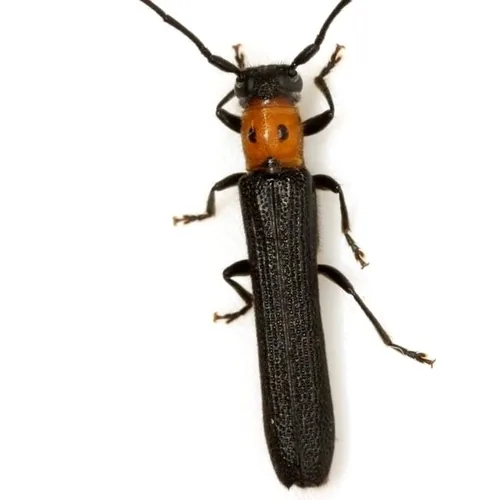
Raspberry Cane Borer
Oberea perspicillata
If new growth is curling, yellowing, sticky, or chewed, raspberry cane borer may already be on the plant. This pest often builds quietly, then damage appears all at once. Feeding stress weakens growth, reduces yield, and opens the door to secondary disease. Early cleanup is much easier than fighting a full population surge later.
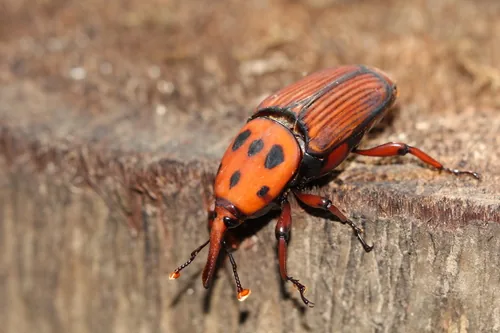
Red Palm Weevil
Rhynchophorus ferrugineus
If plants are wilting, notching at the edges, or fruit and roots show hidden feeding damage, red palm weevil may be the cause. Adults chew above ground while larvae often feed out of sight inside soil, stems, or fruit. Damage builds quietly, then plants crash fast when roots are heavily hit. Act early so a small weevil problem does not become a season-long infestation.
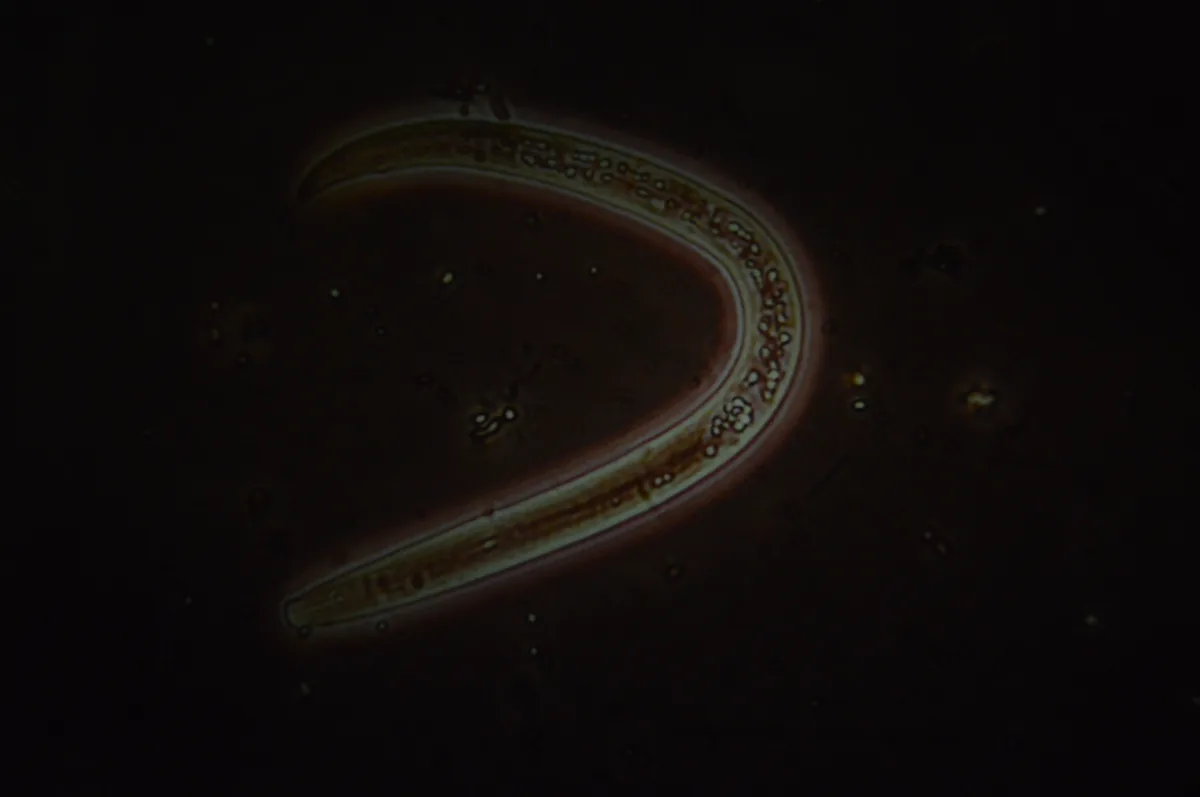
Reniform Nematode
Rotylenchulus reniformis
If plants stay stunted, yellow, and thirsty even with good care, reniform nematode may be attacking below ground. These microscopic pests damage roots, so the top growth declines before the cause is obvious. Yield drops and wilting worsen in heat because damaged roots cannot keep up. Once populations build in soil, control gets harder, so early detection is critical.
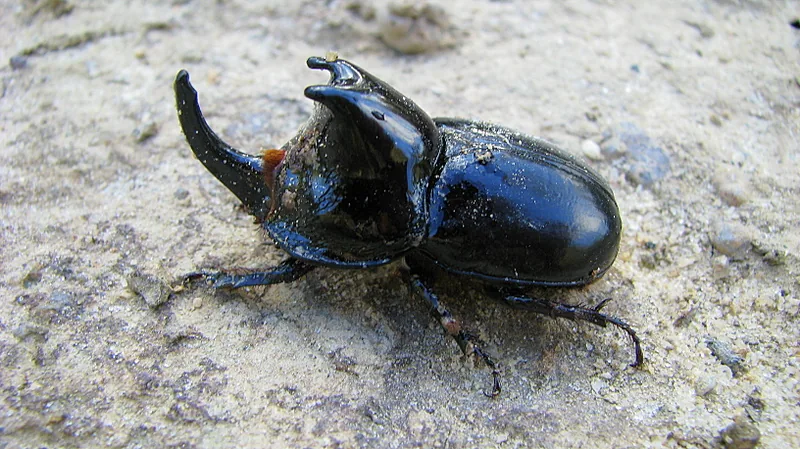
Rhinoceros Beetle
Oryctes rhinoceros
If new growth is curling, yellowing, sticky, or chewed, rhinoceros beetle may already be on the plant. This pest often builds quietly, then damage appears all at once. Feeding stress weakens growth, reduces yield, and opens the door to secondary disease. Early cleanup is much easier than fighting a full population surge later.
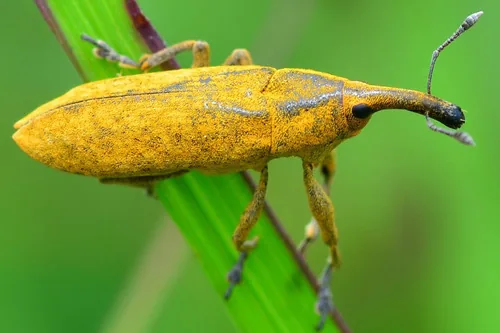
Rhubarb Curculio
Lixus concavus
If new growth is curling, yellowing, sticky, or chewed, rhubarb curculio may already be on the plant. This pest often builds quietly, then damage appears all at once. Feeding stress weakens growth, reduces yield, and opens the door to secondary disease. Early cleanup is much easier than fighting a full population surge later.
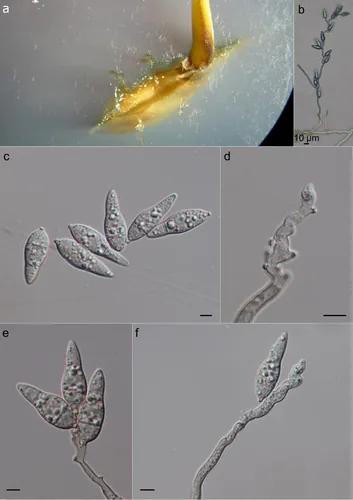
Rice Blast Fungus
Magnaporthe oryzae
If leaves, stems, or fruit suddenly look spotted, sunken, or rotting, rice blast fungus may already be active. This problem often starts small, then spreads across healthy tissue before most growers realize how serious it is. Warmth, moisture, and crowded foliage usually speed it up. Treat early, because waiting even a few days can turn a manageable infection into major crop loss.
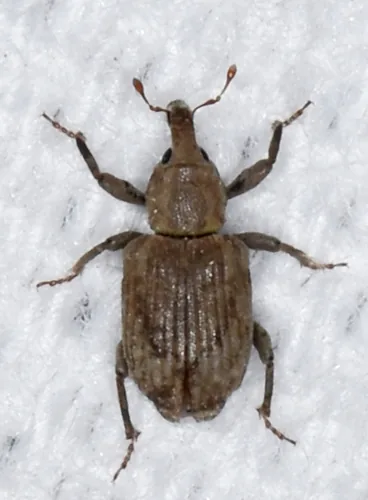
Rice Water Weevil
Lissorhoptrus oryzophilus
If plants are wilting, notching at the edges, or fruit and roots show hidden feeding damage, rice water weevil may be the cause. Adults chew above ground while larvae often feed out of sight inside soil, stems, or fruit. Damage builds quietly, then plants crash fast when roots are heavily hit. Act early so a small weevil problem does not become a season-long infestation.
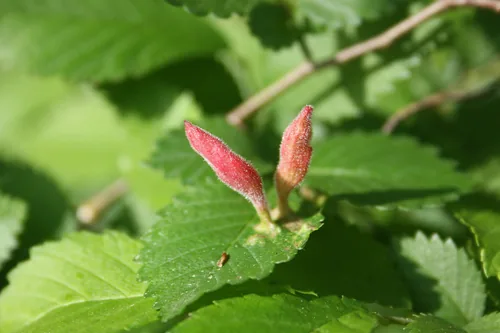
Root Aphid
Pemphigus spp.
If new growth is curling, yellowing, sticky, or chewed, root aphid may already be on the plant. This pest often builds quietly, then damage appears all at once. Feeding stress weakens growth, reduces yield, and opens the door to secondary disease. Early cleanup is much easier than fighting a full population surge later.
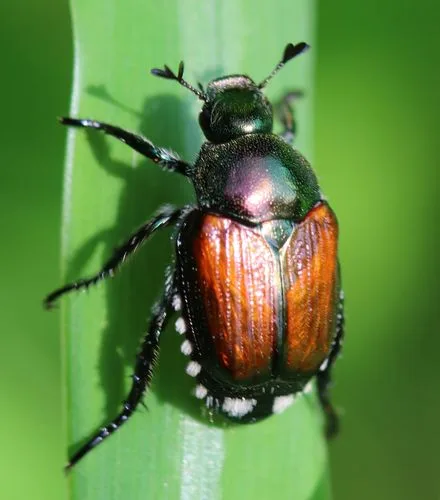
Root feeding grubs
Scarabaeidae larvae (multiple genera)
Root feeding grubs is a catch-all for white C-shaped scarab larvae that chew fibrous roots of turf, vegetables, nursery liners, and young trees. Damage shows as wilting in heat, thinned stands, and easily lifted sod. Genera include Phyllophaga, Cyclocephala, Popillia, and many regional scarabs. Adults may be May beetles, June beetles, or chafers depending on latitude and habitat.
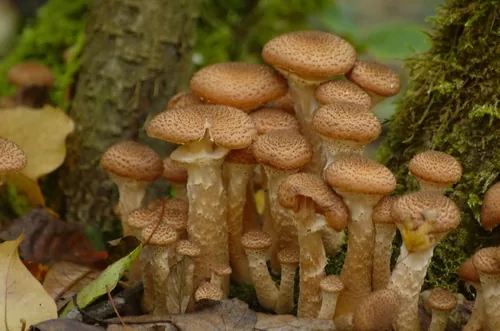
Root Rot
Various (e.g., Pythium spp., Phytophthora spp., Rhizoctonia spp., Fusarium spp.)
If leaves, stems, or fruit suddenly look spotted, sunken, or rotting, root rot may already be active. This problem often starts small, then spreads across healthy tissue before most growers realize how serious it is. Warmth, moisture, and crowded foliage usually speed it up. Treat early, because waiting even a few days can turn a manageable infection into major crop loss.
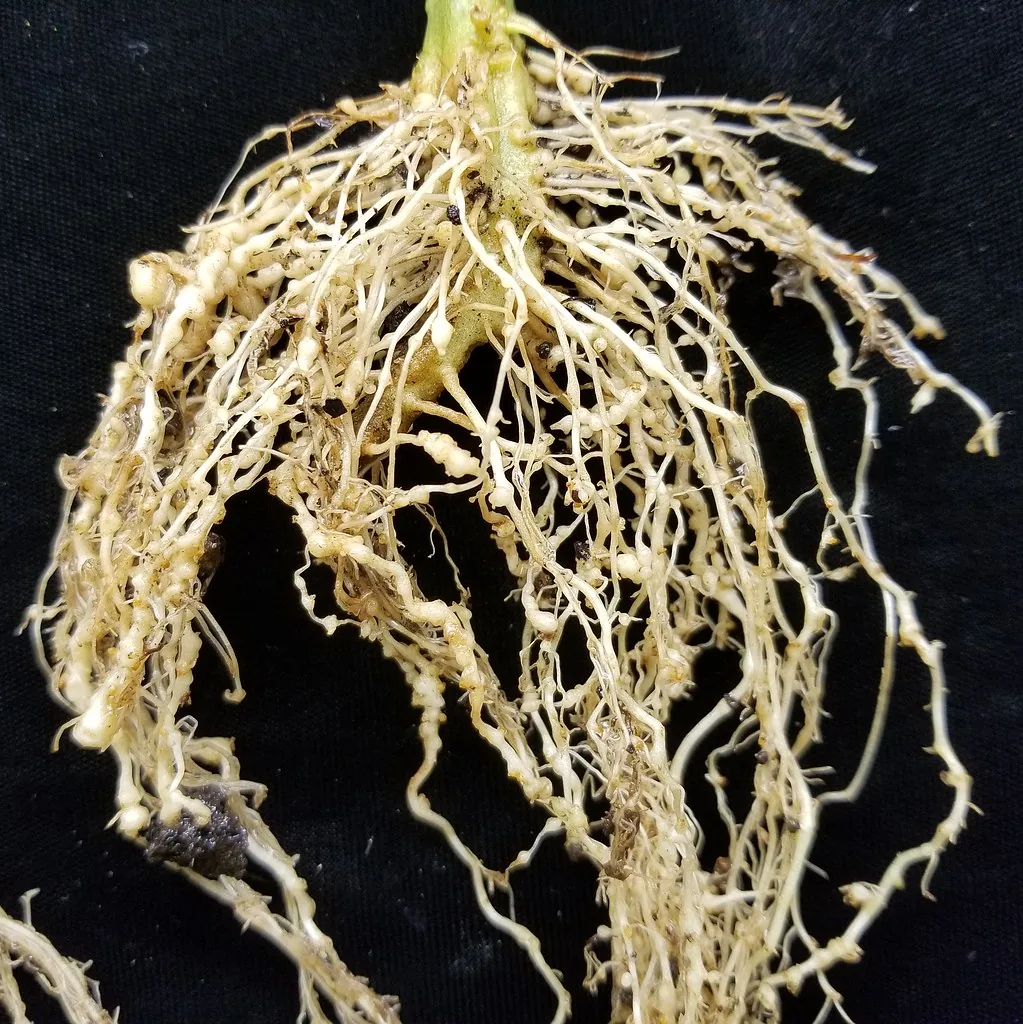
Rootknot Nematodes
Meloidogyne spp.
If plants stay stunted, yellow, and thirsty even with good care, rootknot nematodes may be attacking below ground. These microscopic pests damage roots, so the top growth declines before the cause is obvious. Yield drops and wilting worsen in heat because damaged roots cannot keep up. Once populations build in soil, control gets harder, so early detection is critical.
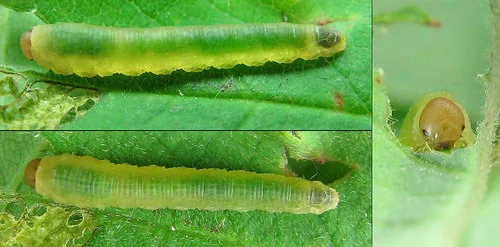
Rose Slug
Endelomyia aethiops
If new growth is curling, yellowing, sticky, or chewed, rose slug may already be on the plant. This pest often builds quietly, then damage appears all at once. Feeding stress weakens growth, reduces yield, and opens the door to secondary disease. Early cleanup is much easier than fighting a full population surge later.
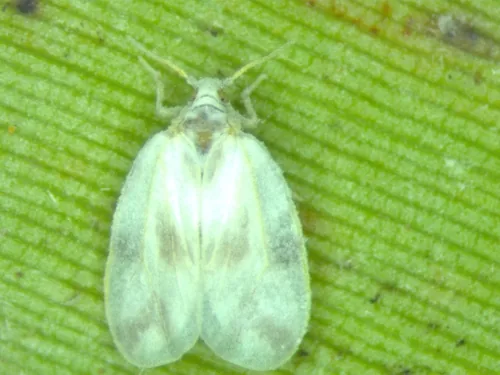
Rugose Spiraling Whitefly
Aleurodicus rugioperculatus
If leaves show trails, fruit turns soft, or roots collapse from inside, rugose spiraling whitefly may already be feeding. The larval stage does most of the damage, often hidden where you cannot see it at first glance. By the time yellowing or rot appears, feeding may be well underway. Move quickly when symptoms begin to prevent another wave of eggs and larvae.
Russet mites
Eriophyidae (Aculops, Phyllocoptes, and related genera)
Russet mites are microscopic eriophyids that rasp epidermal cells, causing bronze or russeted leaves, stem corking, and reduced photosynthesis on tomatoes, peppers, cannabis, citrus, and many other hosts. They hide along leaf midribs and meristems where sprays miss. Hot dry weather speeds reproduction. Damage is often blamed on thrips or disease until a lens or lab confirms mites.
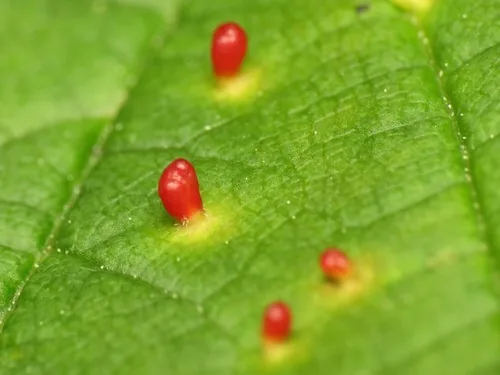
Rust Mite
Eriophyidae
If leaves look dusty, speckled, bronzed, or curled without obvious chewing, rust mite is a likely suspect. Mites are tiny but can multiply fast, especially during heat and dry air. Plants lose vigor as feeding drains cell contents from leaves and tender growth. Early action matters, because heavy infestations can spread through a bed in days.
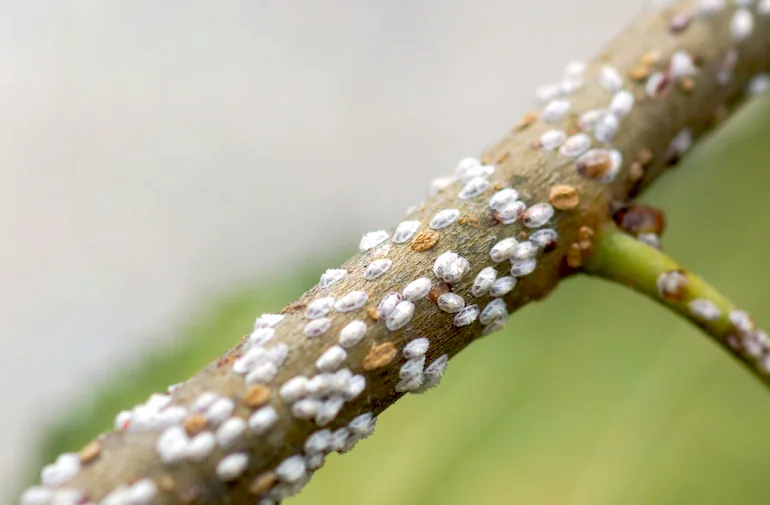
Scale Insects
Coccoidea
If new growth is curling, yellowing, sticky, or chewed, scale insects may already be on the plant. This pest often builds quietly, then damage appears all at once. Feeding stress weakens growth, reduces yield, and opens the door to secondary disease. Early cleanup is much easier than fighting a full population surge later.
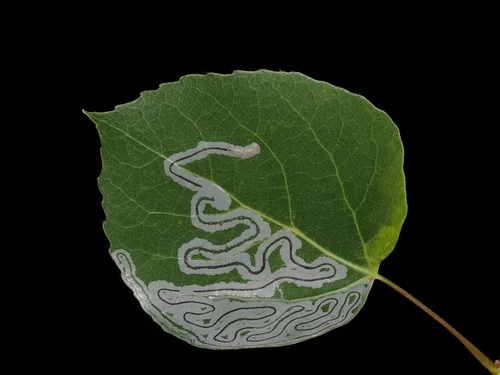
Serpentine Leafminer
Liriomyza trifolii
If new growth is curling, yellowing, sticky, or chewed, serpentine leafminer may already be on the plant. This pest often builds quietly, then damage appears all at once. Feeding stress weakens growth, reduces yield, and opens the door to secondary disease. Early cleanup is much easier than fighting a full population surge later.
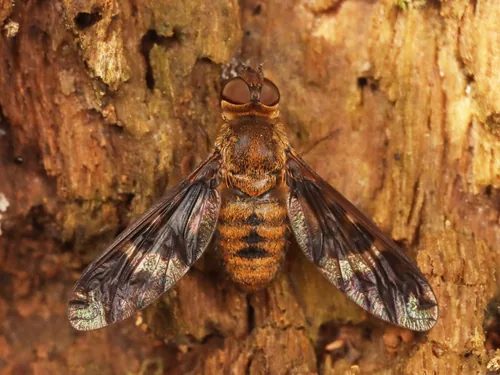
Shore Fly
Scatella stagnalis
If leaves show trails, fruit turns soft, or roots collapse from inside, shore fly may already be feeding. The larval stage does most of the damage, often hidden where you cannot see it at first glance. By the time yellowing or rot appears, feeding may be well underway. Move quickly when symptoms begin to prevent another wave of eggs and larvae.
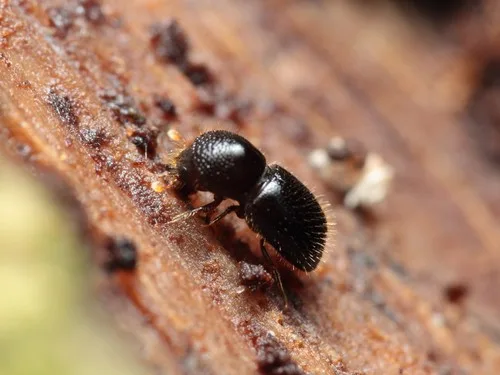
Shot hole borers
Euwallacea and related Scolytinae
Shot hole borers are tiny ambrosia beetles that bore into trunks and branches, farming fungi in galleries that stain sapwood and disrupt transport. Multiple entry holes look like buckshot on bark, often on stressed or thin-barked species. Some lineages vector pathogenic fungi that cause rapid dieback in certain hosts. They are a tree health issue in urban forests, orchards, and riparian plantings from subtropical to warm temperate zones.
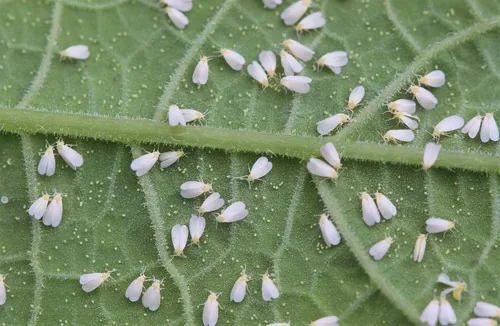
Silverleaf Whitefly
Bemisia tabaci
If leaves show trails, fruit turns soft, or roots collapse from inside, silverleaf whitefly may already be feeding. The larval stage does most of the damage, often hidden where you cannot see it at first glance. By the time yellowing or rot appears, feeding may be well underway. Move quickly when symptoms begin to prevent another wave of eggs and larvae.
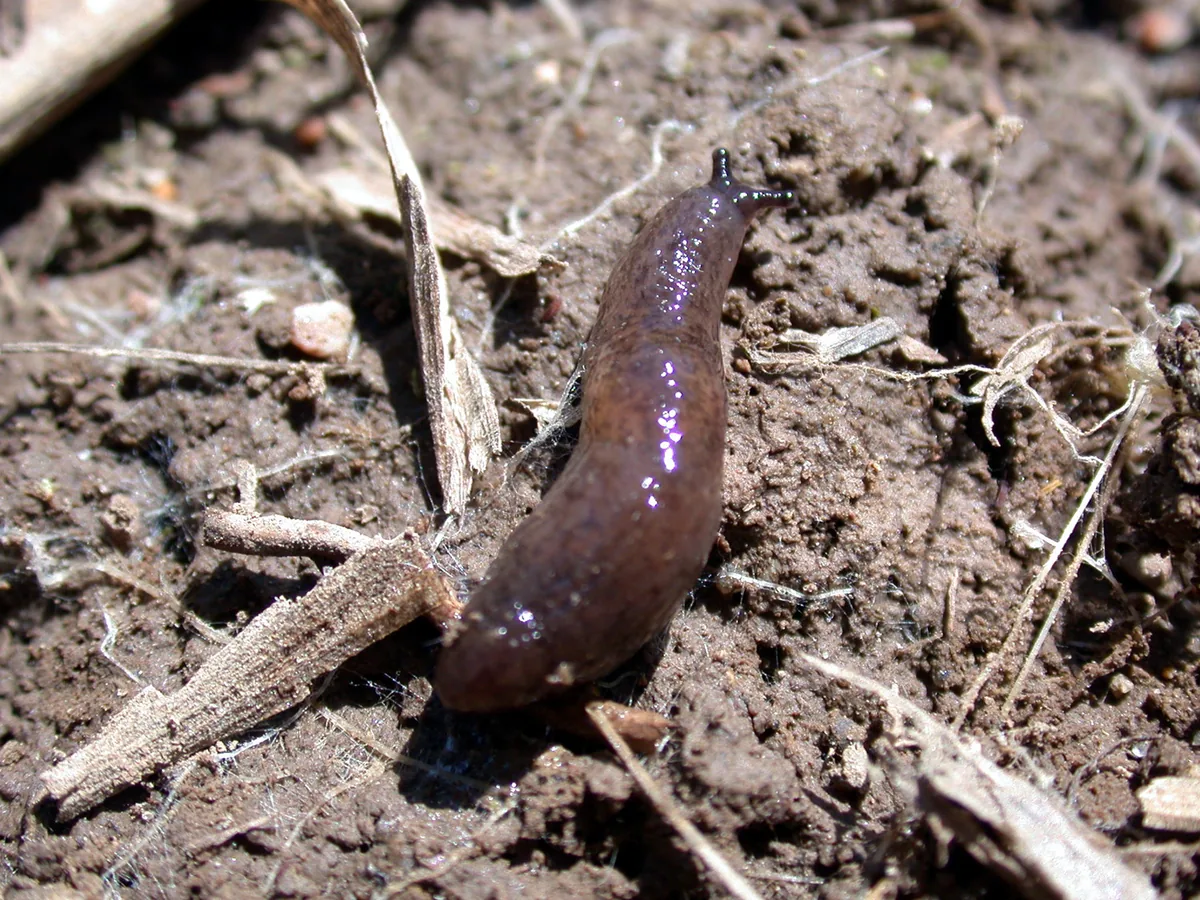
Slugs
Gastropoda
If seedlings disappear overnight, leaves have ragged irregular holes with no insect in sight, and there is a silvery slime trail on soil or leaves in the morning — slugs were there. They feed at night and hide during the day under debris, boards, dense mulch, and soil cracks. Slugs are essentially snails without shells, which means they dry out faster and are more dependent on moisture and cover. A wet spring or summer night followed by missing seedlings is the classic scenario. They can completely destroy a seedling in one night and will return to the same plants repeatedly until stopped.
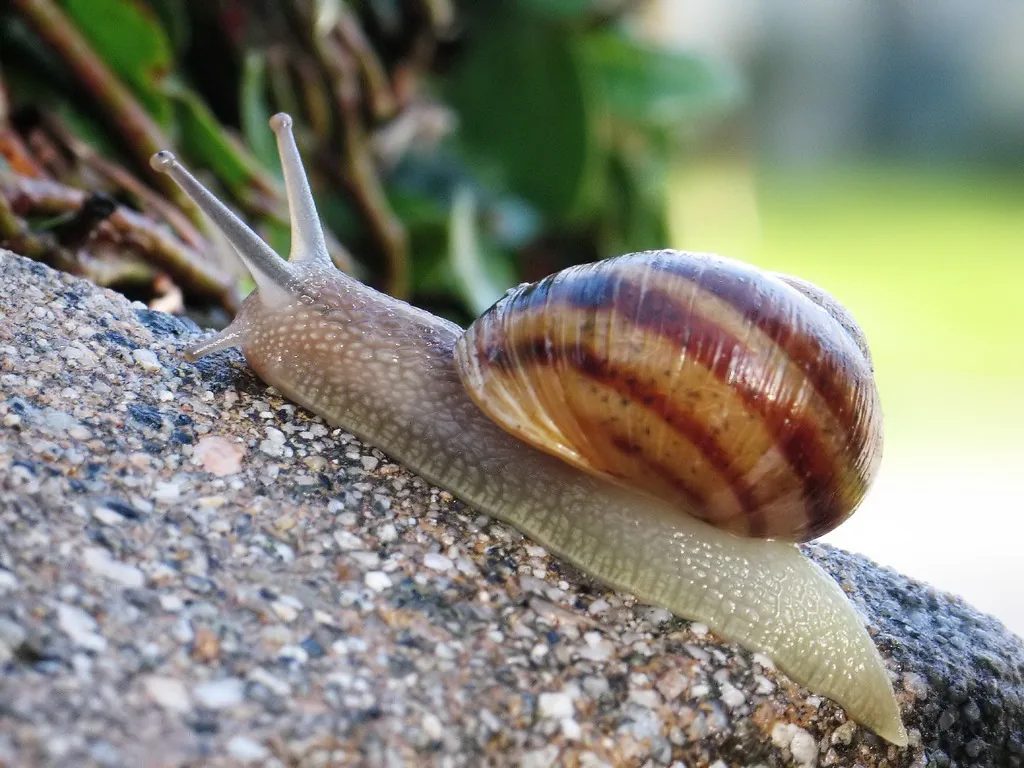
Snails
Gastropoda
If leaves have ragged holes, seedlings disappear overnight, and you find silvery slime trails on soil and leaves in the morning — snails were there. Snails are slugs with shells, which means they survive drier conditions and are harder to dehydrate than slugs. They hide in shells during dry periods and emerge after rain or irrigation. The shell also makes them slightly slower to move than slugs but better at surviving hostile conditions. In warm humid climates like Florida, snails are active much of the year. The brown garden snail is the most common culprit in most gardens — the same species used as escargot, which gives you options.
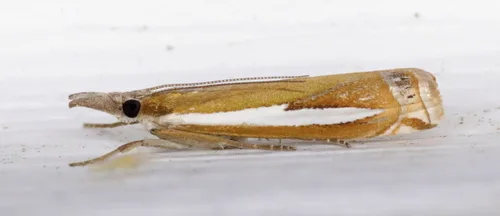
Sod webworms
Crambidae (Parapediasia, Crambus, and related genera)
Sod webworms are grass-feeding caterpillars that live in silk-lined tunnels at the soil surface and clip blades at night. Irregular brown patches expand in warm weather and can merge across lawns and roughs. Adult moths flutter low at dusk dropping eggs on turf. They occur wherever cool- and warm-season grasses are maintained from temperate suburbs to subtropical golf edges.
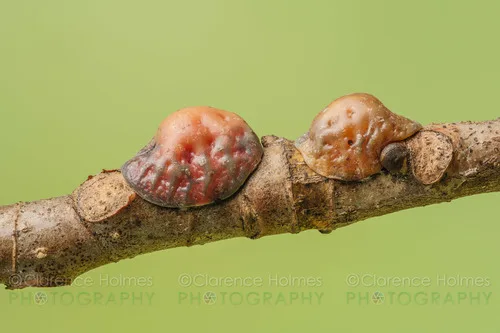
Soft scale
Coccidae
Soft scales are hemipterans with covers fused to the body, often producing copious honeydew and sooty mold. They weaken twigs, reduce fruit size, and attract ants that disrupt biocontrol. Genera include Coccus, Pulvinaria, and Saissetia on diverse woody plants from temperate ornamentals to subtropical fruit. Chronic infestations follow dusty foliage, ant tending, and predator-killing spray programs.
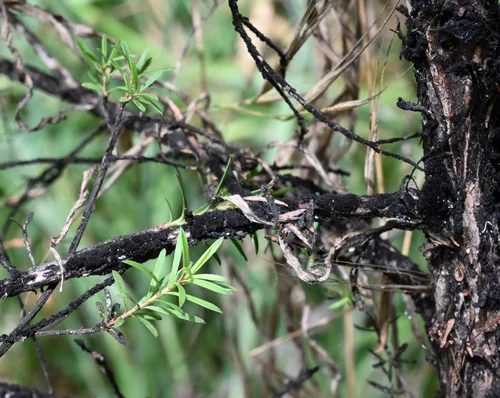
Sooty Mold
Capnodium spp.
If leaves, stems, or fruit suddenly look spotted, sunken, or rotting, sooty mold may already be active. This problem often starts small, then spreads across healthy tissue before most growers realize how serious it is. Warmth, moisture, and crowded foliage usually speed it up. Treat early, because waiting even a few days can turn a manageable infection into major crop loss.
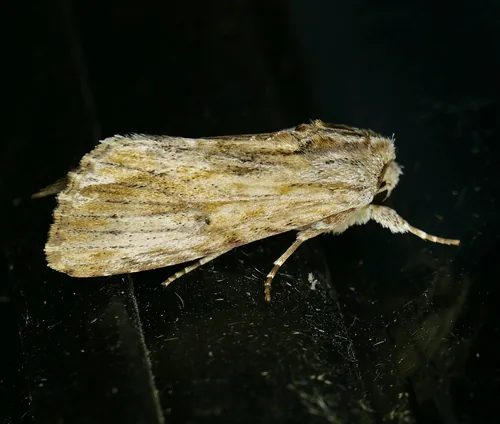
Southern Armyworm
Spodoptera eridania
If leaves look shredded overnight or fruit has fresh chew holes, southern armyworm may be feeding right now. These larvae can eat fast and strip a healthy plant in a short window. Young stages are easy to miss, then damage suddenly explodes as they grow. Catch them early to avoid severe defoliation and contaminated harvests.
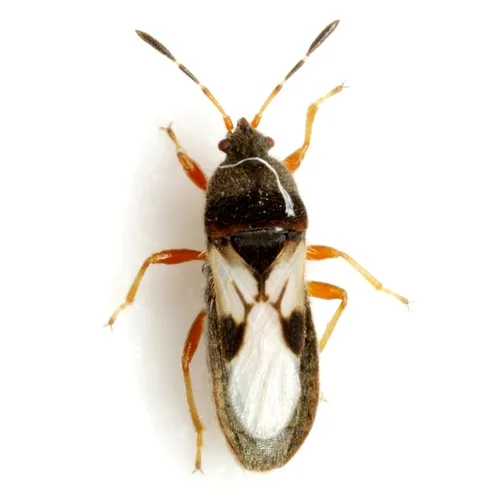
Southern chinch bug
Blissus insularis
Southern chinch bug is a specialist pest of St. Augustinegrass that pierces stolons and injects enzymes, causing yellowing patches that expand in full sun during hot dry weather. Thatch gives nymphs a humid refuge while outer leaves look droughty. It is a major turf issue in humid subtropical lawns and commercial sod across the Gulf and Atlantic coastal plains wherever this grass is grown.
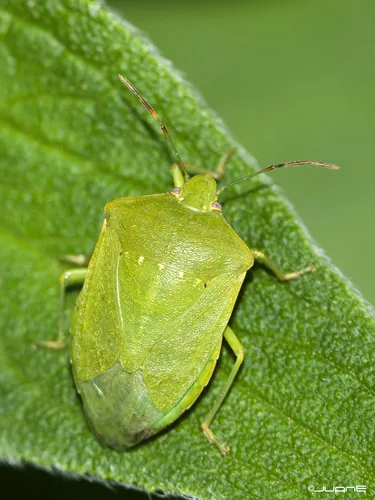
Southern Green Stink Bug
Nezara viridula
If new growth is curling, yellowing, sticky, or chewed, southern green stink bug may already be on the plant. This pest often builds quietly, then damage appears all at once. Feeding stress weakens growth, reduces yield, and opens the door to secondary disease. Early cleanup is much easier than fighting a full population surge later.
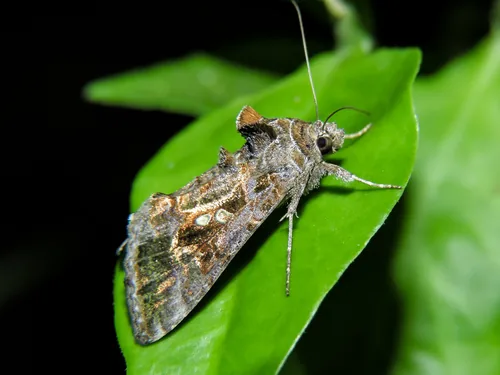
Soybean Looper
Chrysodeixis includens
If leaves look shredded overnight or fruit has fresh chew holes, soybean looper may be feeding right now. These larvae can eat fast and strip a healthy plant in a short window. Young stages are easy to miss, then damage suddenly explodes as they grow. Catch them early to avoid severe defoliation and contaminated harvests.
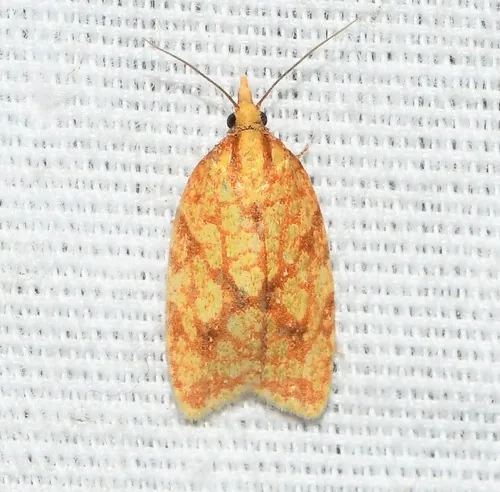
Sparganothis Fruitworm
Sparganothis sulfureana
If leaves look shredded overnight or fruit has fresh chew holes, sparganothis fruitworm may be feeding right now. These larvae can eat fast and strip a healthy plant in a short window. Young stages are easy to miss, then damage suddenly explodes as they grow. Catch them early to avoid severe defoliation and contaminated harvests.
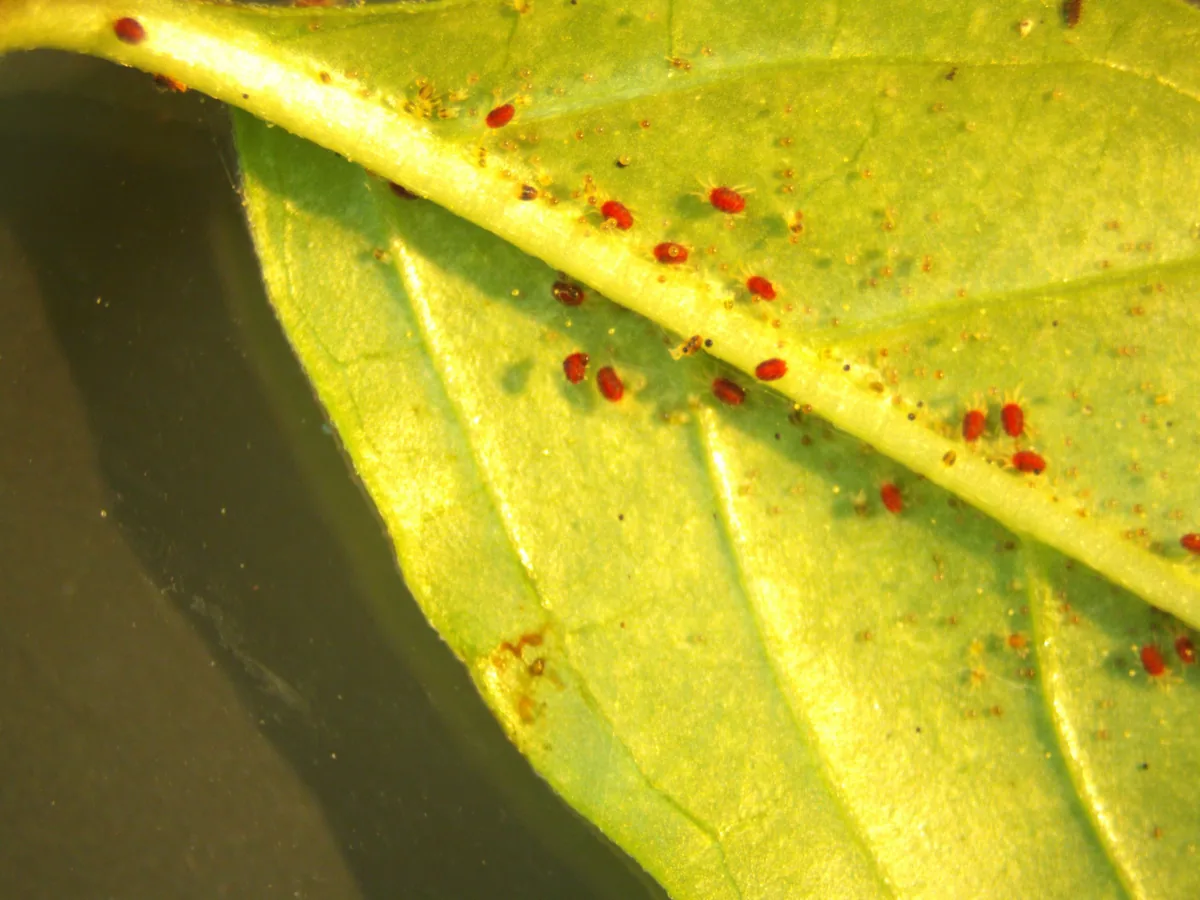
Spider Mites
Tetranychidae
If leaves look dusty, speckled, bronzed, or curled without obvious chewing, spider mites is a likely suspect. Mites are tiny but can multiply fast, especially during heat and dry air. Plants lose vigor as feeding drains cell contents from leaves and tender growth. Early action matters, because heavy infestations can spread through a bed in days.
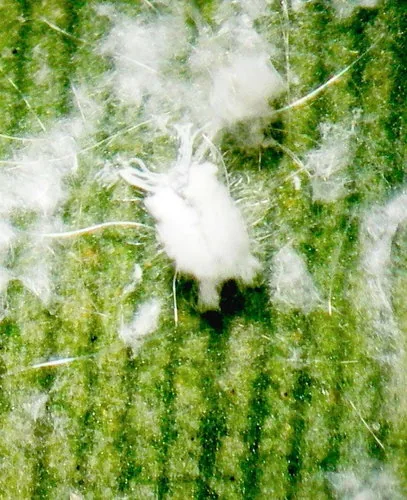
Spiraling Whitefly
Aleurodicus dispersus
If leaves show trails, fruit turns soft, or roots collapse from inside, spiraling whitefly may already be feeding. The larval stage does most of the damage, often hidden where you cannot see it at first glance. By the time yellowing or rot appears, feeding may be well underway. Move quickly when symptoms begin to prevent another wave of eggs and larvae.
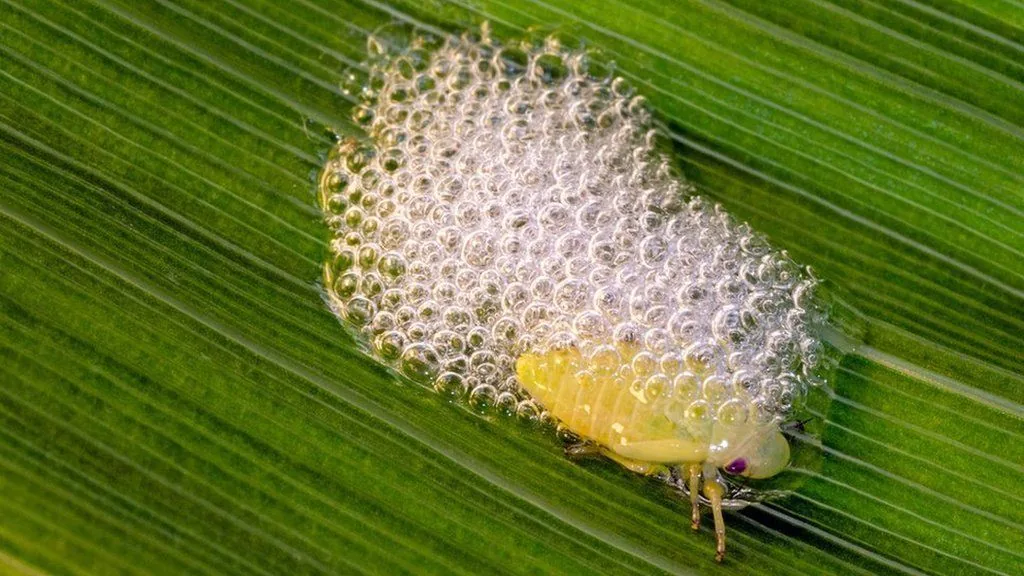
Spittlebugs
Cercopidae
If new growth is curling, yellowing, sticky, or chewed, spittlebugs may already be on the plant. This pest often builds quietly, then damage appears all at once. Feeding stress weakens growth, reduces yield, and opens the door to secondary disease. Early cleanup is much easier than fighting a full population surge later.
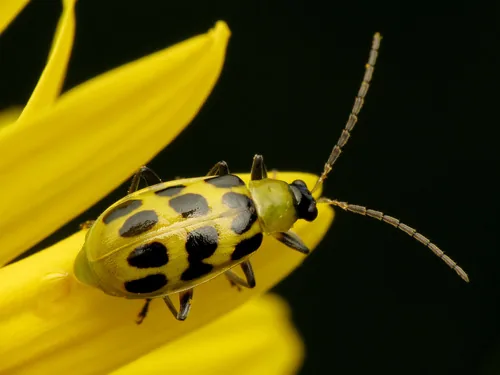
Spotted Cucumber Beetle
Diabrotica undecimpunctata howardi
If leaves, stems, or fruit suddenly look spotted, sunken, or rotting, spotted cucumber beetle may already be active. This problem often starts small, then spreads across healthy tissue before most growers realize how serious it is. Warmth, moisture, and crowded foliage usually speed it up. Treat early, because waiting even a few days can turn a manageable infection into major crop loss.
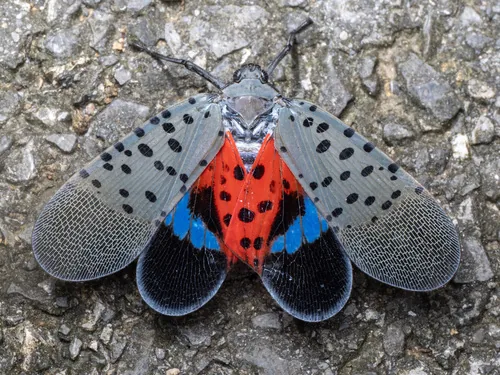
Spotted Lanternfly
Lycorma delicatula
If leaves, stems, or fruit suddenly look spotted, sunken, or rotting, spotted lanternfly may already be active. This problem often starts small, then spreads across healthy tissue before most growers realize how serious it is. Warmth, moisture, and crowded foliage usually speed it up. Treat early, because waiting even a few days can turn a manageable infection into major crop loss.
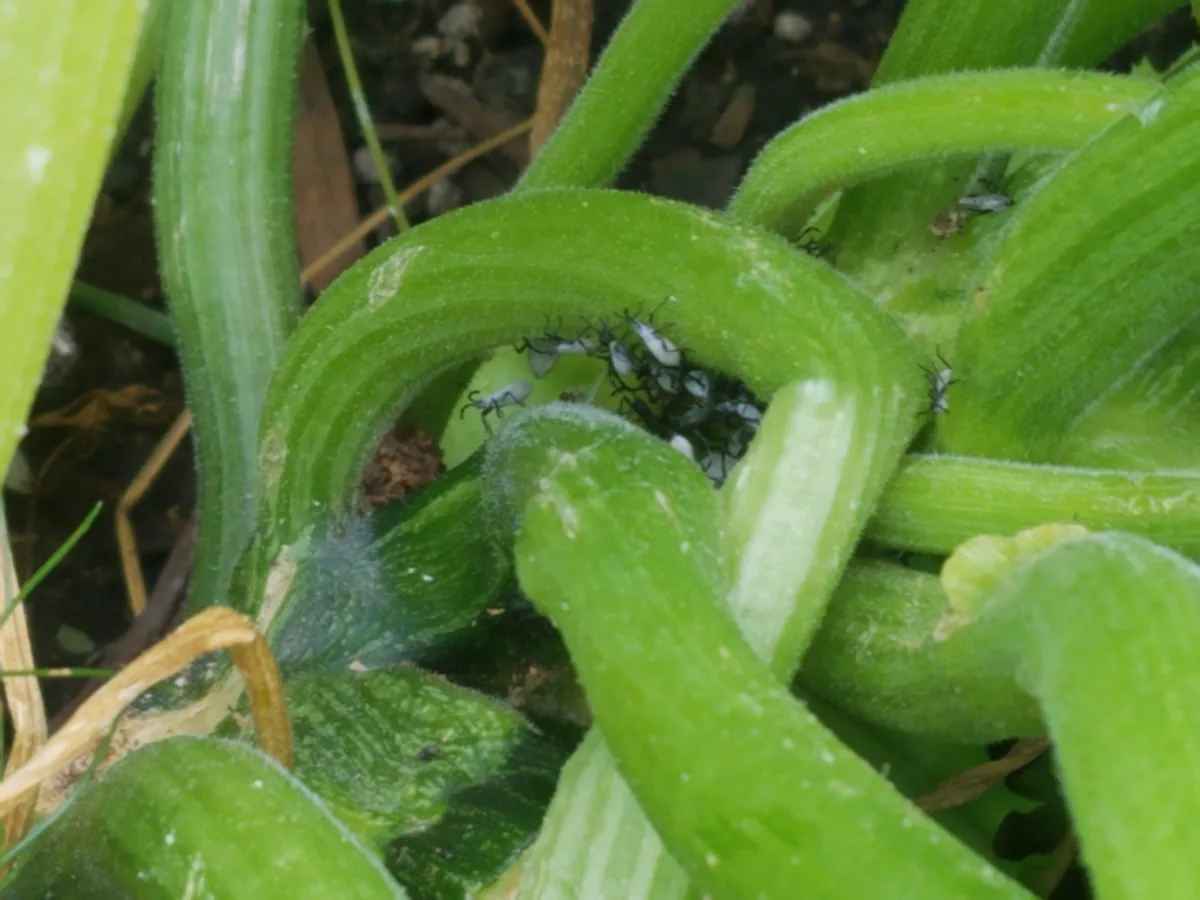
Squash Bug
Anasa tristis
If new growth is curling, yellowing, sticky, or chewed, squash bug may already be on the plant. This pest often builds quietly, then damage appears all at once. Feeding stress weakens growth, reduces yield, and opens the door to secondary disease. Early cleanup is much easier than fighting a full population surge later.
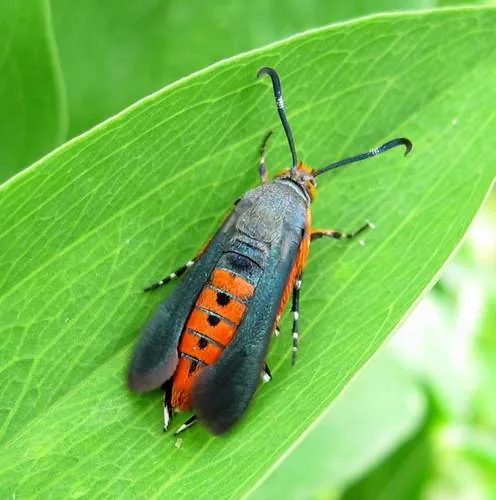
Squash Vine Borer
Melittia cucurbitae
If new growth is curling, yellowing, sticky, or chewed, squash vine borer may already be on the plant. This pest often builds quietly, then damage appears all at once. Feeding stress weakens growth, reduces yield, and opens the door to secondary disease. Early cleanup is much easier than fighting a full population surge later.
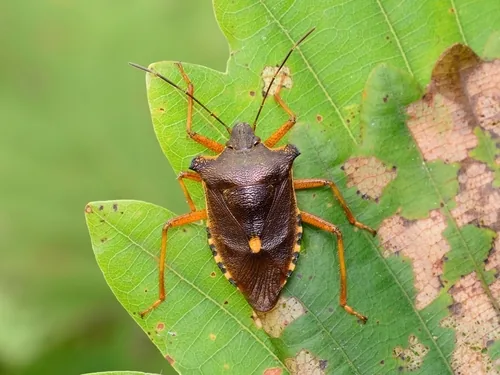
Stink Bug
Pentatomidae
If new growth is curling, yellowing, sticky, or chewed, stink bug may already be on the plant. This pest often builds quietly, then damage appears all at once. Feeding stress weakens growth, reduces yield, and opens the door to secondary disease. Early cleanup is much easier than fighting a full population surge later.
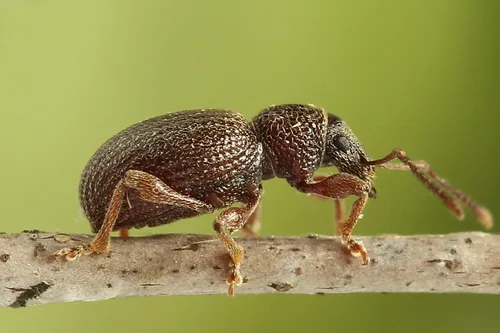
Strawberry Root Weevil
Otiorhynchus ovatus
If plants are wilting, notching at the edges, or fruit and roots show hidden feeding damage, strawberry root weevil may be the cause. Adults chew above ground while larvae often feed out of sight inside soil, stems, or fruit. Damage builds quietly, then plants crash fast when roots are heavily hit. Act early so a small weevil problem does not become a season- long infestation.
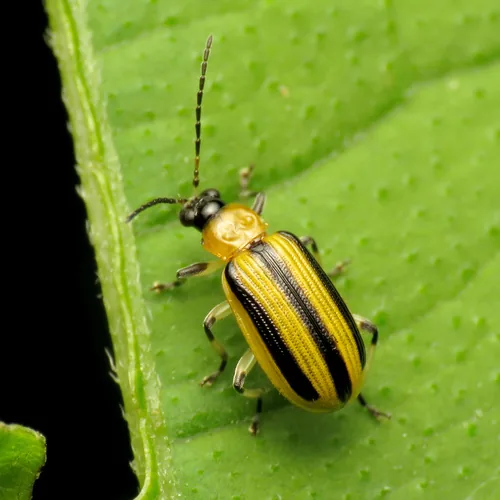
Striped Cucumber Beetle
Acalymma vittatum
If new growth is curling, yellowing, sticky, or chewed, striped cucumber beetle may already be on the plant. This pest often builds quietly, then damage appears all at once. Feeding stress weakens growth, reduces yield, and opens the door to secondary disease. Early cleanup is much easier than fighting a full population surge later.
Sunflower Moth
Homoeosoma electellum
If new growth is curling, yellowing, sticky, or chewed, sunflower moth may already be on the plant. This pest often builds quietly, then damage appears all at once. Feeding stress weakens growth, reduces yield, and opens the door to secondary disease. Early cleanup is much easier than fighting a full population surge later.
Sunscald
Physiological injury (solar radiation / heat)
Sunscald is tissue death on fruit, leaves, or bark caused by intense solar radiation, especially after sudden exposure of previously shaded surfaces. Apples and peppers show bleached or papery patches; young tree bark can crack on the southwest side. It spikes after heat waves, reflective mulches, or aggressive summer pruning that removes protective canopy. It is abiotic -- no insecticide fixes radiation physics.
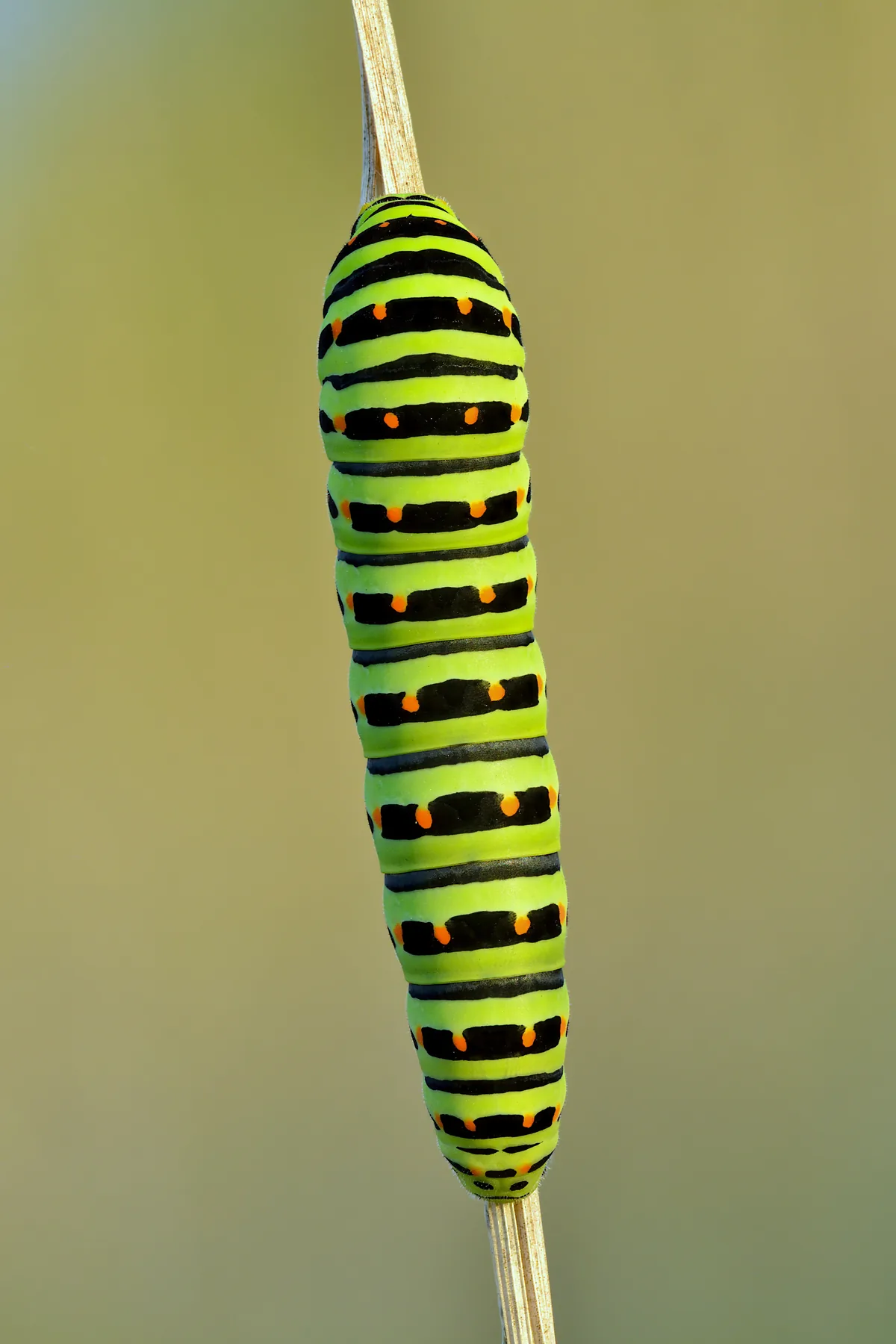
Swallowtail Caterpillar
Papilio polyxenes
If leaves look shredded overnight or fruit has fresh chew holes, swallowtail caterpillar may be feeding right now. These larvae can eat fast and strip a healthy plant in a short window. Young stages are easy to miss, then damage suddenly explodes as they grow. Catch them early to avoid severe defoliation and contaminated harvests.
Swede Midge
Contarinia nasturtii
If new growth is curling, yellowing, sticky, or chewed, swede midge may already be on the plant. This pest often builds quietly, then damage appears all at once. Feeding stress weakens growth, reduces yield, and opens the door to secondary disease. Early cleanup is much easier than fighting a full population surge later.
Sweet Potato Weevil
Cylas formicarius
If plants are wilting, notching at the edges, or fruit and roots show hidden feeding damage, sweet potato weevil may be the cause. Adults chew above ground while larvae often feed out of sight inside soil, stems, or fruit. Damage builds quietly, then plants crash fast when roots are heavily hit. Act early so a small weevil problem does not become a season-long infestation.
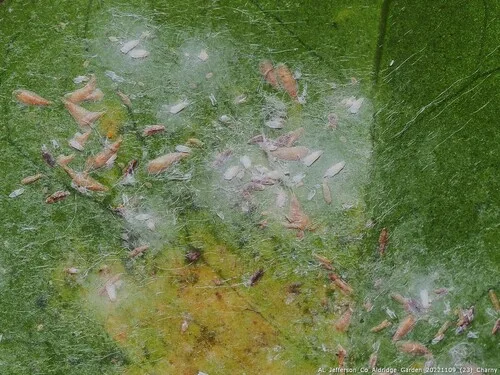
Tea scale
Fiorinia theae
Tea scale is a small armored scale that infests the underside of camellia, holly, and many other evergreen leaves, causing yellow speckling visible from above and premature leaf drop when heavy. Males are narrow and white; females are darker and broader under cover. It thrives in humid subtropical to warm temperate landscapes and greenhouse collections.
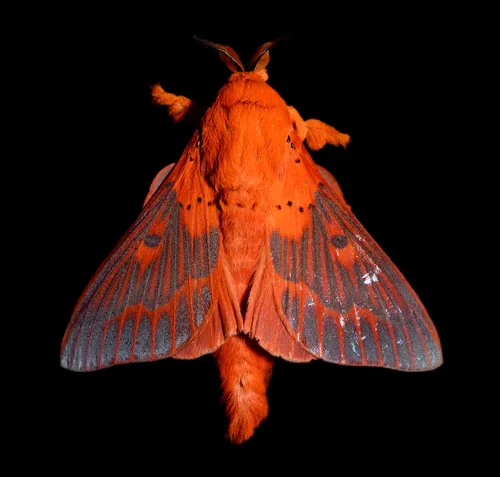
Tent Caterpillar
Malacosoma spp.
If leaves look shredded overnight or fruit has fresh chew holes, tent caterpillar may be feeding right now. These larvae can eat fast and strip a healthy plant in a short window. Young stages are easy to miss, then damage suddenly explodes as they grow. Catch them early to avoid severe defoliation and contaminated harvests.
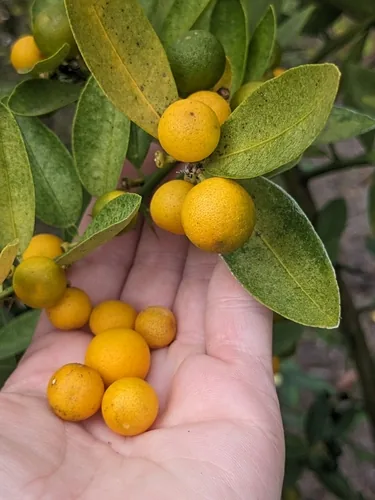
Texas Citrus Mite
Eutetranychus banksi
If leaves look dusty, speckled, bronzed, or curled without obvious chewing, texas citrus mite is a likely suspect. Mites are tiny but can multiply fast, especially during heat and dry air. Plants lose vigor as feeding drains cell contents from leaves and tender growth. Early action matters, because heavy infestations can spread through a bed in days.
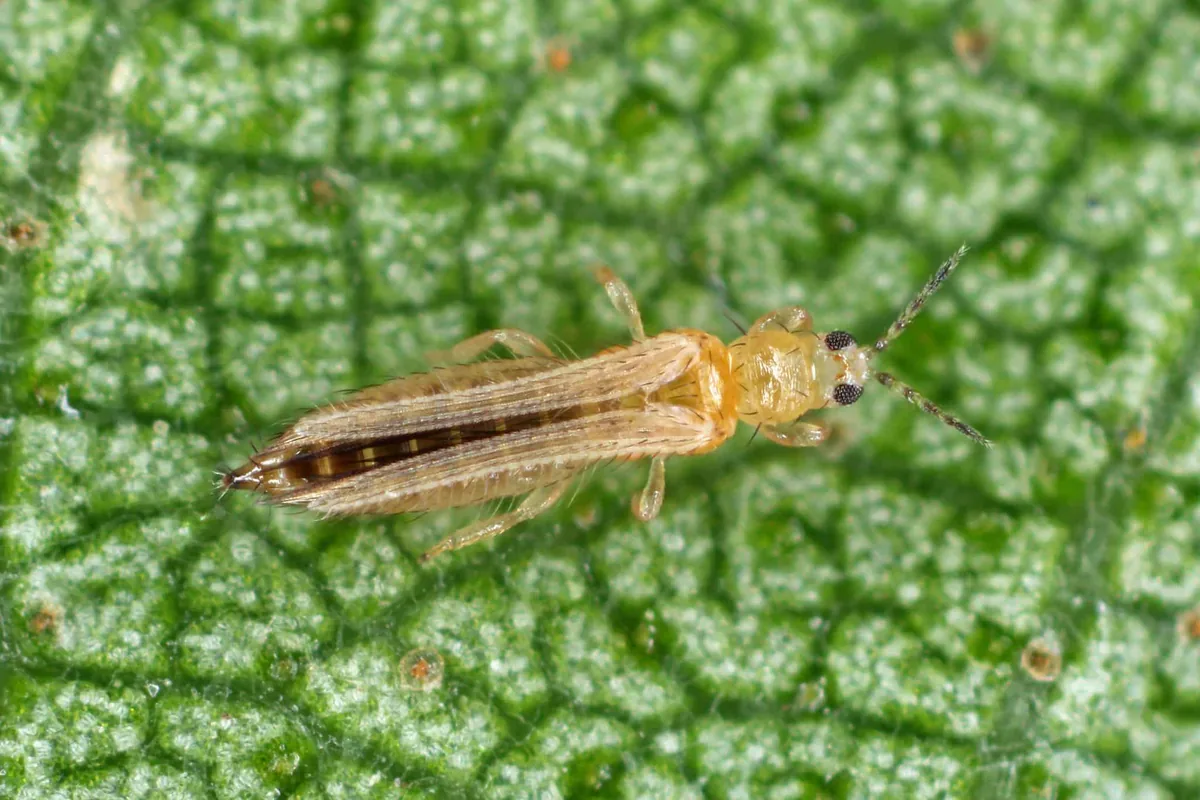
Thrips
Thysanoptera
If new growth is curling, yellowing, sticky, or chewed, thrips may already be on the plant. This pest often builds quietly, then damage appears all at once. Feeding stress weakens growth, reduces yield, and opens the door to secondary disease. Early cleanup is much easier than fighting a full population surge later.
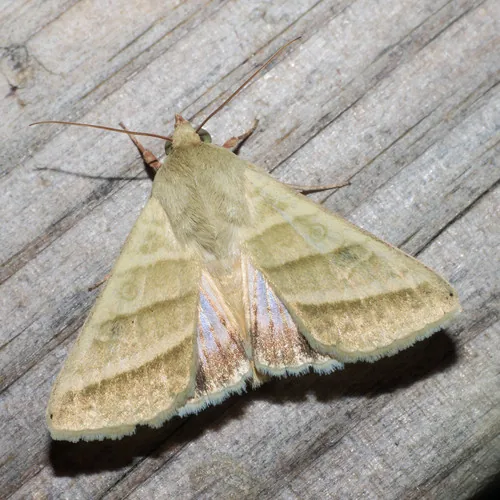
Tobacco Budworm
Chloridea virescens
If leaves look shredded overnight or fruit has fresh chew holes, tobacco budworm may be feeding right now. These larvae can eat fast and strip a healthy plant in a short window. Young stages are easy to miss, then damage suddenly explodes as they grow. Catch them early to avoid severe defoliation and contaminated harvests.
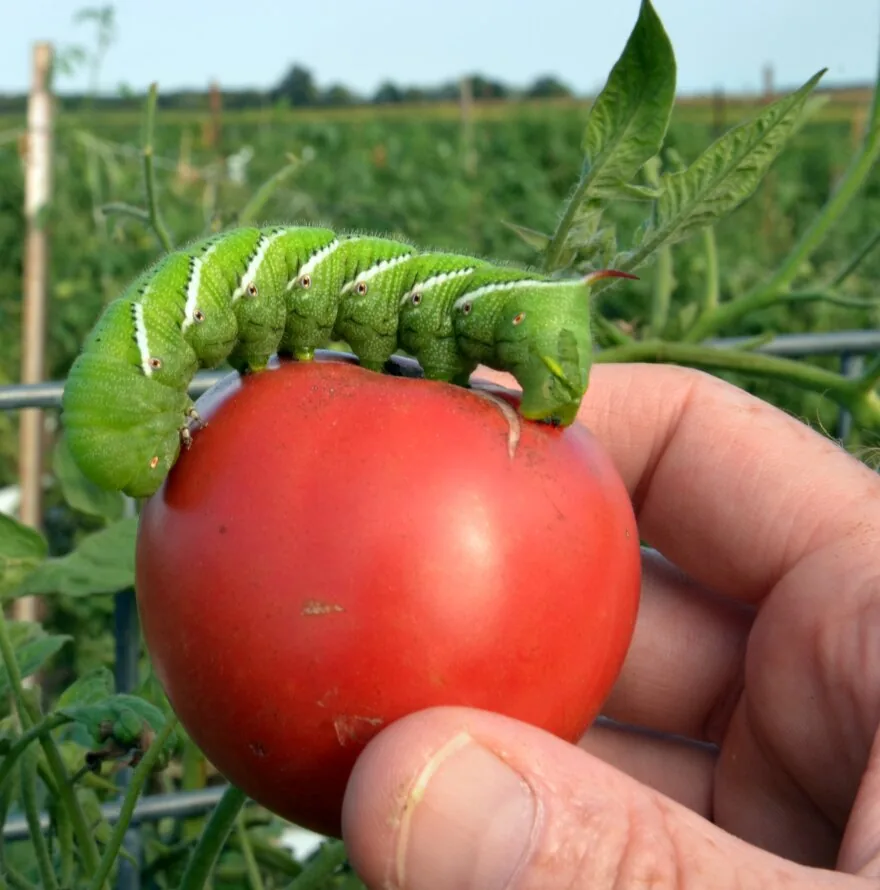
Tomato Hornworms
Manduca quinquemaculata
If leaves look shredded overnight or fruit has fresh chew holes, tomato hornworms may be feeding right now. These larvae can eat fast and strip a healthy plant in a short window. Young stages are easy to miss, then damage suddenly explodes as they grow. Catch them early to avoid severe defoliation and contaminated harvests.
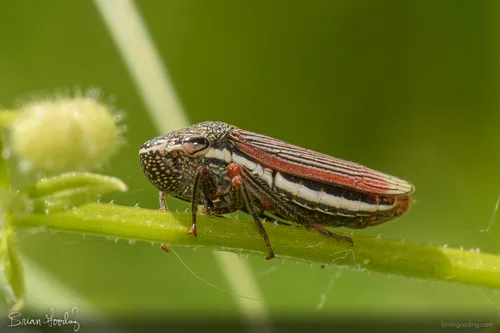
Treehoppers
Membracidae
Treehoppers are bizarrely shaped hemipterans that often sit motionless on stems, sometimes in maternal groups guarding egg masses. They pierce phloem and excrete honeydew that grows sooty mold. Most species are minor alone, but dense aggregations can stress young shoots on legumes, orchard trees, and ornamentals from tropical to temperate climates.
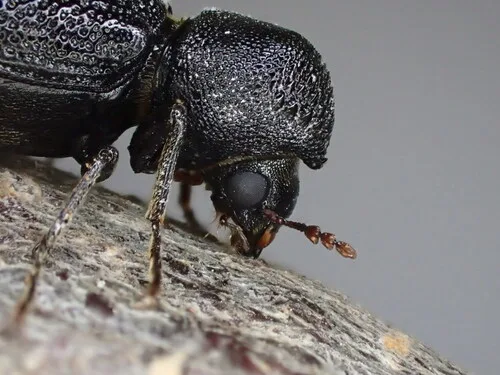
Twig borers
Multiple Coleoptera and Lepidoptera (twig-boring guild)
Twig borers are larvae of small moths or beetles that tunnel inside shoots, causing flagged dead tips, sawdust at entry holes, and weakened scaffold on fruit trees and ornamentals. Damage is often localized to current-year wood. Hosts range from stone fruit to pecan to roses depending on species complex in your region across temperate to subtropical production zones.
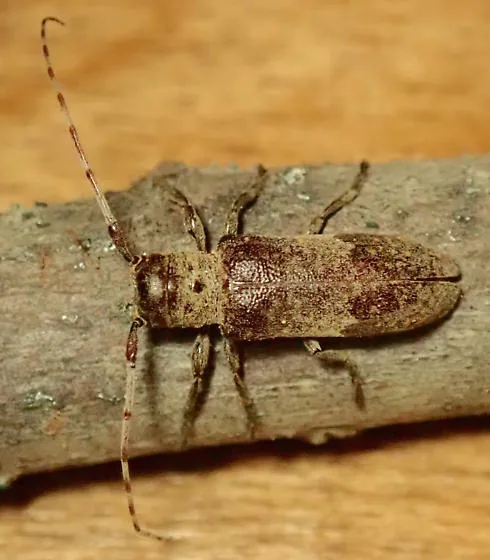
Twig Girdlers
Oncideres spp.
If new growth is curling, yellowing, sticky, or chewed, twig girdlers may already be on the plant. This pest often builds quietly, then damage appears all at once. Feeding stress weakens growth, reduces yield, and opens the door to secondary disease. Early cleanup is much easier than fighting a full population surge later.
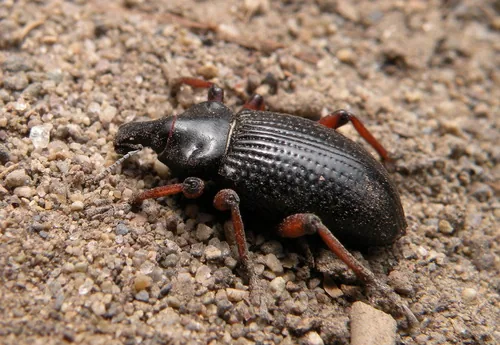
Ulluco Weevil
Premnotrypes latithorax
If plants are wilting, notching at the edges, or fruit and roots show hidden feeding damage, ulluco weevil may be the cause. Adults chew above ground while larvae often feed out of sight inside soil, stems, or fruit. Damage builds quietly, then plants crash fast when roots are heavily hit. Act early so a small weevil problem does not become a season-long infestation.
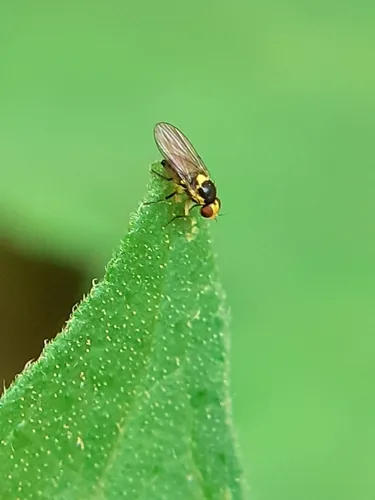
Vegetable Leafminer
Liriomyza sativae
If new growth is curling, yellowing, sticky, or chewed, vegetable leafminer may already be on the plant. This pest often builds quietly, then damage appears all at once. Feeding stress weakens growth, reduces yield, and opens the door to secondary disease. Early cleanup is much easier than fighting a full population surge later.
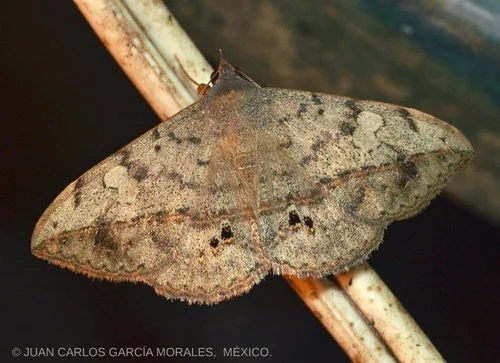
Velvetbean Caterpillar
Anticarsia gemmatalis
If leaves look shredded overnight or fruit has fresh chew holes, velvetbean caterpillar may be feeding right now. These larvae can eat fast and strip a healthy plant in a short window. Young stages are easy to miss, then damage suddenly explodes as they grow. Catch them early to avoid severe defoliation and contaminated harvests.
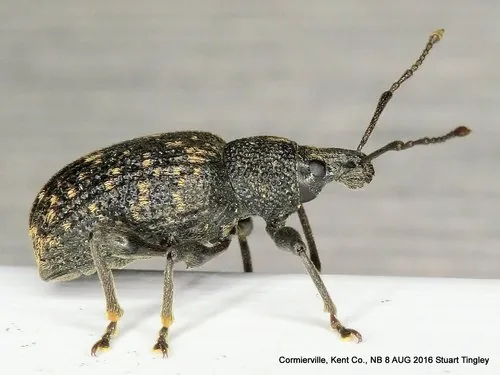
Vine Weevil
Otiorhynchus sulcatus
If plants are wilting, notching at the edges, or fruit and roots show hidden feeding damage, vine weevil may be the cause. Adults chew above ground while larvae often feed out of sight inside soil, stems, or fruit. Damage builds quietly, then plants crash fast when roots are heavily hit. Act early so a small weevil problem does not become a season-long infestation.
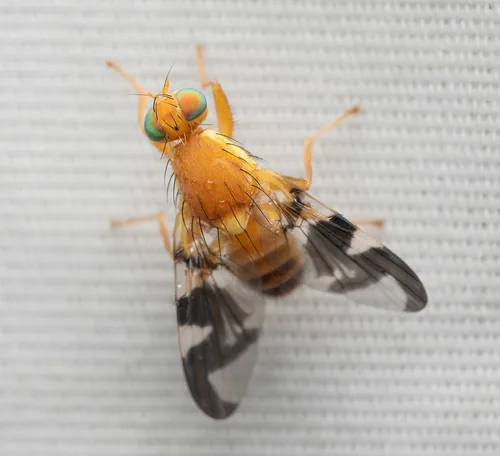
Walnut Husk Fly
Rhagoletis completa
If leaves show trails, fruit turns soft, or roots collapse from inside, walnut husk fly may already be feeding. The larval stage does most of the damage, often hidden where you cannot see it at first glance. By the time yellowing or rot appears, feeding may be well underway. Move quickly when symptoms begin to prevent another wave of eggs and larvae.
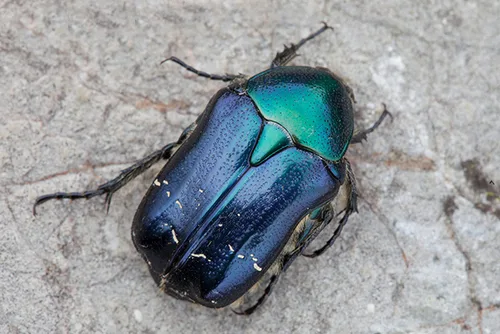
White grubs
Scarabaeidae larvae
White grubs are the soil-dwelling larvae of scarab beetles, creamy white with brown heads and three pairs of thoracic legs in a C-shape. They consume roots of turf, ornamentals, and row crops, producing irregular dead patches and easily lifted sod. Adults may be Japanese beetles, June beetles, masked chafers, or other regional scarabs. Populations cycle with weather and adult feeding and oviposition habits.
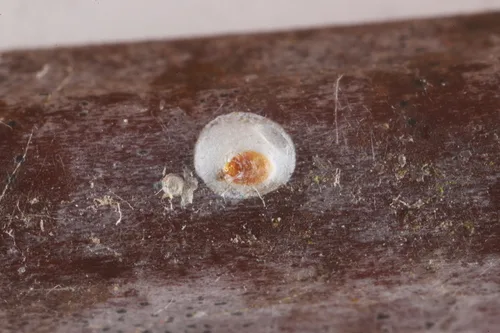
White peach scale
Pseudaulacaspis pentagona
White peach scale is a diaspidid armored scale that forms dense white covers on bark and sometimes fruit of stone fruit, pome fruit, and many ornamentals. Heavy infestations cause limb dieback and reduce fruit finish. Crawlers spread to new wood in multiple generations per year in warm climates. It is a global pest wherever hosts are grown in temperate through subtropical orchards and landscapes.
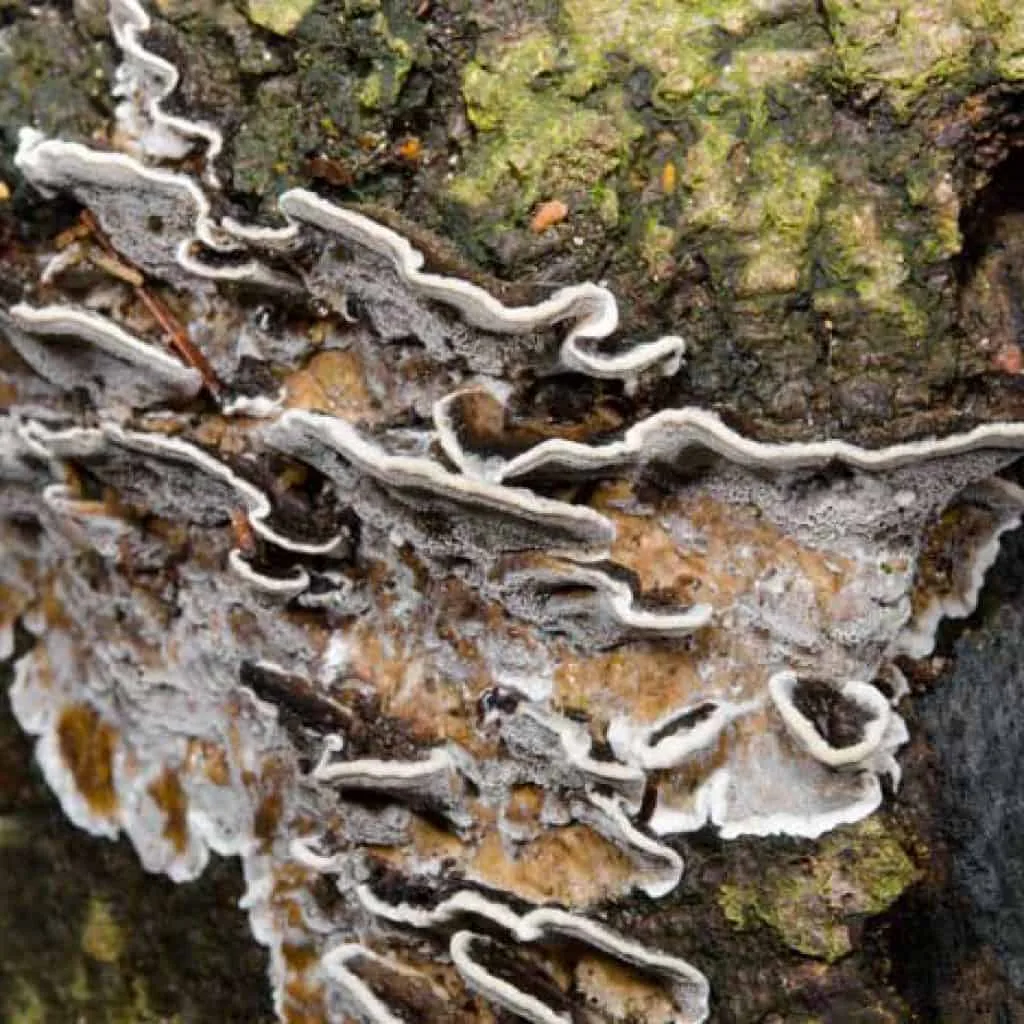
White Rot
Sclerotinia sclerotiorum
If leaves, stems, or fruit suddenly look spotted, sunken, or rotting, white rot may already be active. This problem often starts small, then spreads across healthy tissue before most growers realize how serious it is. Warmth, moisture, and crowded foliage usually speed it up. Treat early, because waiting even a few days can turn a manageable infection into major crop loss.
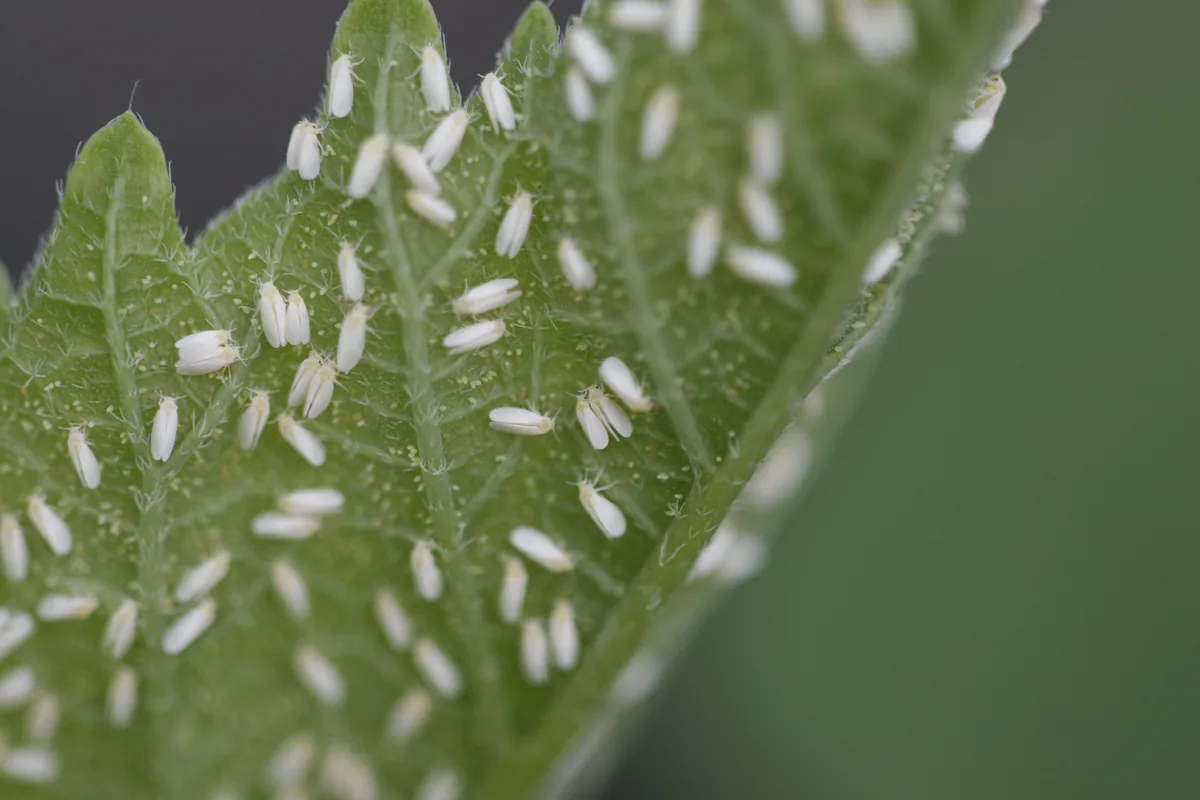
Whiteflies
Aleyrodidae
If new growth is curling, yellowing, sticky, or chewed, whiteflies may already be on the plant. This pest often builds quietly, then damage appears all at once. Feeding stress weakens growth, reduces yield, and opens the door to secondary disease. Early cleanup is much easier than fighting a full population surge later.
Whitefly
Aleyrodidae
If leaves show trails, fruit turns soft, or roots collapse from inside, whitefly may already be feeding. The larval stage does most of the damage, often hidden where you cannot see it at first glance. By the time yellowing or rot appears, feeding may be well underway. Move quickly when symptoms begin to prevent another wave of eggs and larvae.
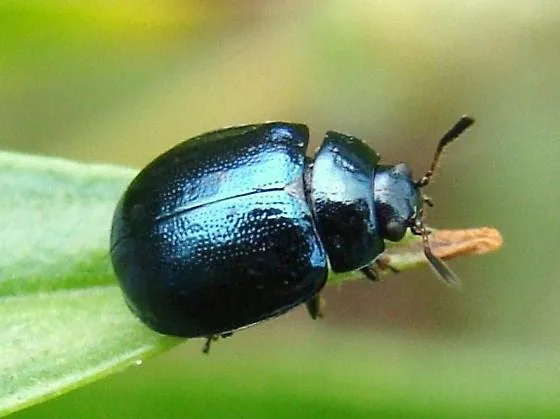
Willow Beetles
Chrysomelidae
If new growth is curling, yellowing, sticky, or chewed, willow beetles may already be on the plant. This pest often builds quietly, then damage appears all at once. Feeding stress weakens growth, reduces yield, and opens the door to secondary disease. Early cleanup is much easier than fighting a full population surge later.
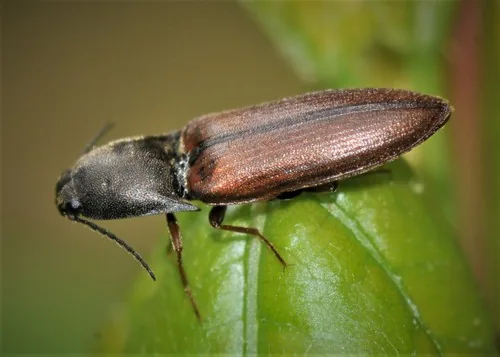
Wireworm
Elateridae (larvae; e.g., Agriotes spp.)
If leaves look shredded overnight or fruit has fresh chew holes, wireworm may be feeding right now. These larvae can eat fast and strip a healthy plant in a short window. Young stages are easy to miss, then damage suddenly explodes as they grow. Catch them early to avoid severe defoliation and contaminated harvests.
No pests found. Lucky you.