About
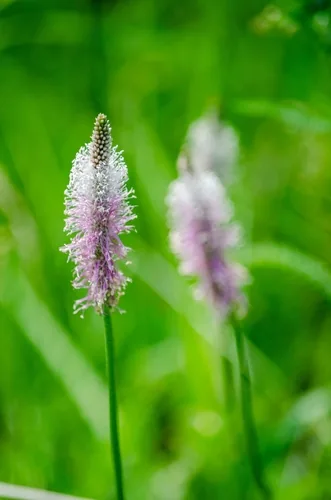
Hoary plantain is the fuzzy-leaf lawn gatecrasher Eurasia exported while everyone obsessed on dandelions. Young leaves are milder than broadleaf plantain; older leaves remind you that fiber exists. Tolerant of mowing abuse and mediocre soil — classic "weed" that is also lunch if you stop spraying glyphosate like cologne. In subtropical and tropical Americas it behaves as a cool-season happy rosette with summer slowdown. Full sun to partial shade; tolerates compacted lawns more than pampered perennials. Average moisture; drought-tolerant once established but softer leaves with steady water. Lean soil is fine; excess nitrogen just feeds slugs. Seeds: surface sow; light-dependent germination like cousins. Division: split rosettes in cool weather for instant patches. Snip tender Hoary Plantain growth in cool mornings for best texture -- heat-stressed leaves taste like their day job. Flowers at full color for peak volatiles; seeds when pods rattle but before they self-sow across paths. Dry herbs in thin layers; deep piles steam themselves into compost.
Permaculture Functions
- Edible: Plantago media young leaves are milder than broadleaf plantain -- eat raw in cool weather or wilt into soup; older rosettes turn fibrous enough to remind you why mowing timing matters.
- Medicinal: Like other plantains, crushed leaves supply aucubin-rich mucilage for field poultices on insect bites -- it is not sterile gauze, but it beats scratching while you walk back to the first-aid kit.
- Wildlife Attractor: Dense spikes of tiny flowers feed small bees and syrphid flies along paths -- tolerate some bloom if you want beneficial insect support in low groundcover layers.
- Ground Cover: Fuzzy rosettes knit thin turf gaps in compacted soil where fussy perennials refuse to establish -- accepts mowing abuse better than many ornamentals sold as steppable groundcovers.
Companion Planting