About
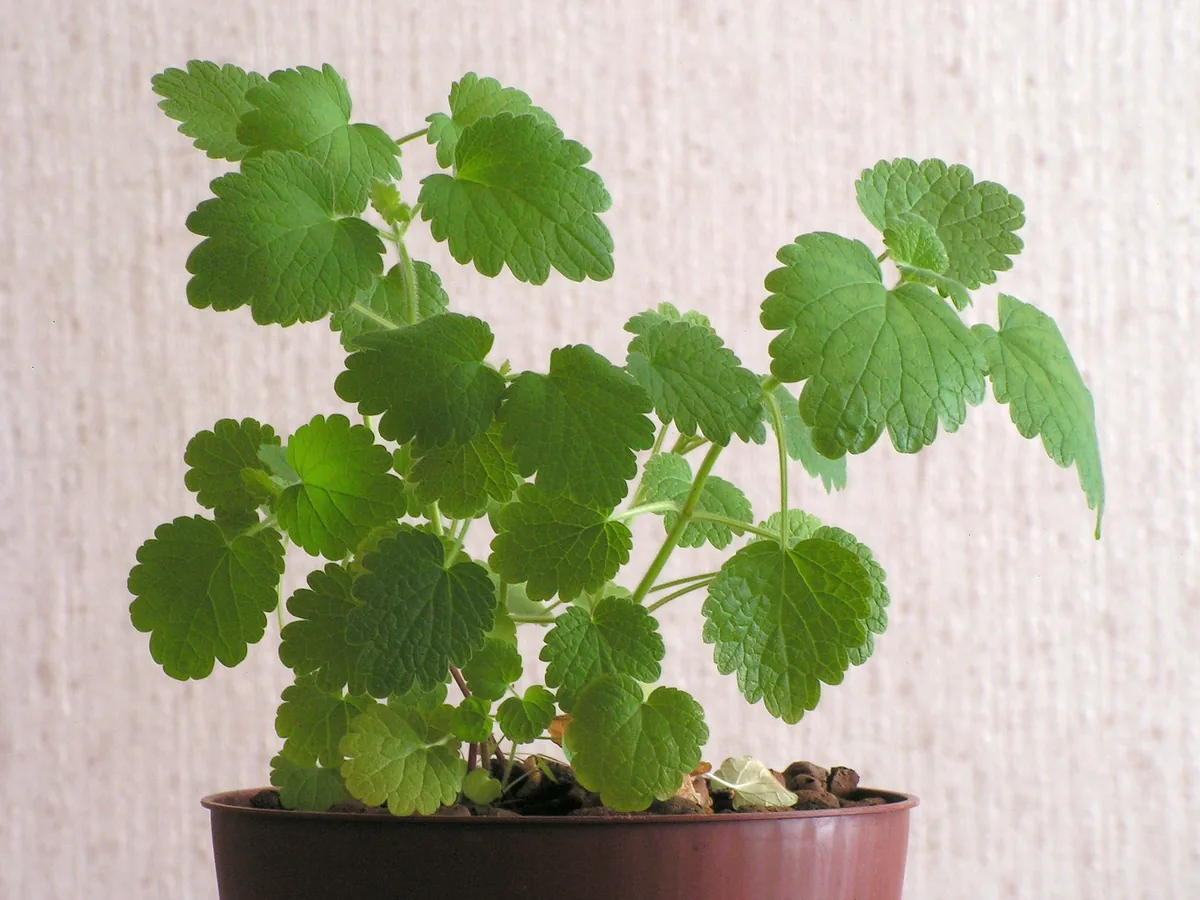
Motherwort is a square-stemmed mint family perennial with deeply lobed leaves and whorls of small pink-purple flowers that bees adore. Traditional Western and Chinese herbalism leans on aerial parts for "calm the heck down" teas—pregnancy warnings apply; read real references, not blog astrology. Often short-lived in brutal wet summers unless given airflow and leaner soil; behaves more reliably in cooler temperate zones along the Eastern Seaboard. Full sun to light shade; average to moist, well-drained soil; tolerates poor ground and city margins—classic "grows by the dumpster" resilience. Seeds (cold stratify for best germination); division in spring or fall; self-sows politely to obnoxiously depending on mulch depth. Cut aerial parts for tea and tincture when flowering peaks; harvest often or it gentrifies the fence line.
Permaculture Functions
- Medicinal: Leonurus cardiaca flowering tops enter TCM and European formulas for palpitations and uterine tone -- leonurine activity means pregnancy, heavy menses, and hypotension are hard contraindications unless a trained herbalist maps dose.
- Wildlife Attractor: Whorled pink-lip tubes sit in leaf axils up the stem through late summer, feeding long-tongued bumblebees when basil and cilantro flowers are already brown -- honeybees still work lower whorls on calm mornings.
- Mulcher: Square stems hit six feet (1.8 m) in one season on lean roadsides -- three chop-and-drop passes per year drop soft mint-family litter that composts before spring brassicas without matting like grass clippings.
- Dynamic Accumulator: Field-dried hay tests higher in calcium and potassium than mixed pasture when harvested at full bloom -- cut before seeds tighten if you do not want hooked nutlets clinging to socks and dog fur across the whole path.
Companion Planting
- Stagnant bog
Threats & Pressure