About
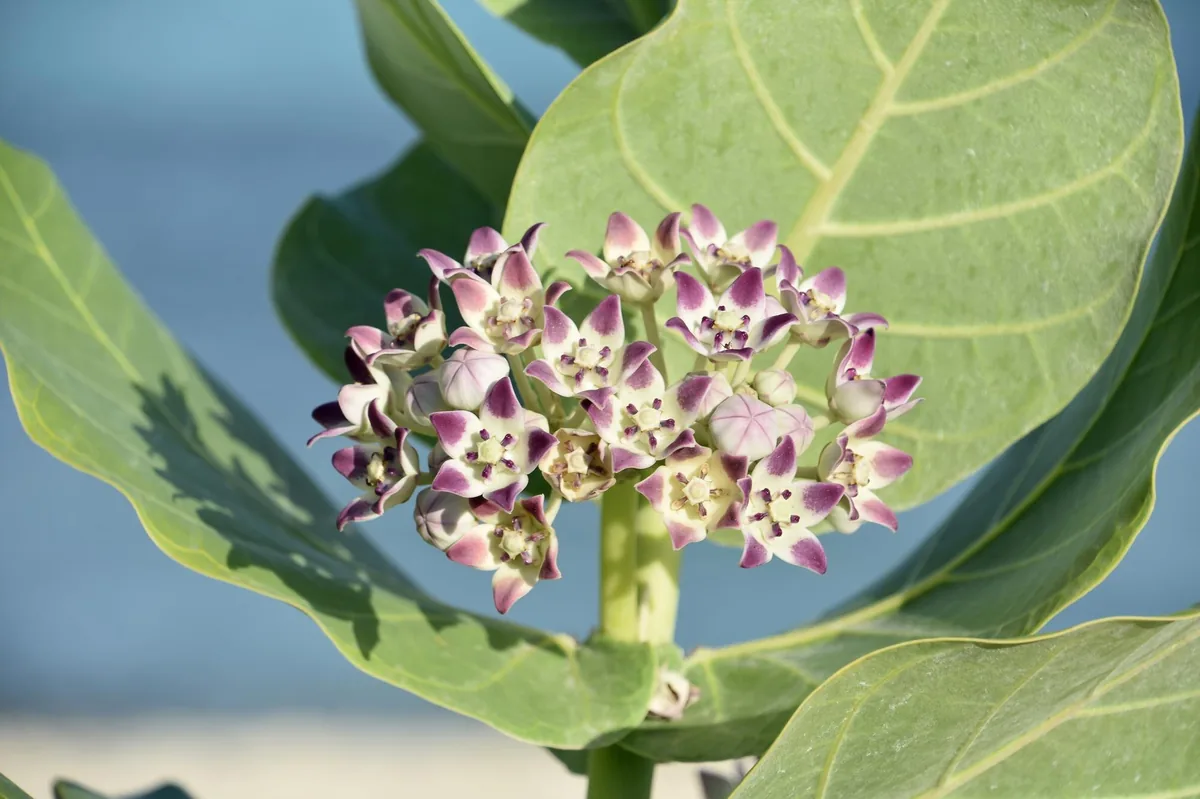
Milkweed is a perennial plant native to North America, known for its clusters of pink to lavender-colored flowers that bloom in midsummer. The plants can vary in height, typically ranging from 2 to 6 feet (0.6-1.8 m). They have broad, lance-shaped leaves and produce seed pods filled with silky-haired seeds. Milkweeds generally prefer full sun and well-drained soils. Species like Butterfly Milkweed (Asclepias tuberosa) are drought-tolerant, while Swamp Milkweed (Asclepias incarnata) thrives in moist to wet soils. Propagation can be done through seeds or root cuttings. Seeds often require cold stratification to germinate effectively. Planting should be done in the fall or after a period of cold treatment. For medicinal or edible uses, harvest young shoots or flower buds before they fully open. Ensure proper identification and preparation, as some parts can be toxic if not handled correctly.
Permaculture Functions
- Edible: Asclepias spp. young shoots, buds, and silks enter regional recipes only after blanching and repeated water changes -- cardiac glycosides mean species ID and kitchen literacy are mandatory.
- Medicinal: Milky latex and roots appear in traditional wart and respiratory protocols -- toxicity overlaps with medicine, so match species references before self-experimenting.
- Wildlife Attractor: Foliage feeds monarch and queen larvae while umbels feed bees, wasps, and flies -- plant patches, not singles, so caterpillars do not starve the only stem.
- Erosion Control: Deep rhizomes and fibrous roots knit disturbed banks and ditch sides -- pair moist-site species with wet feet, drought species with sharp drainage.
Companion Planting
No companion data yet.
Also mentioned as companions:
- Coneflower
- Blazing Star
Not yet profiled in PermiePortal
- None specified
Threats & Pressure