About
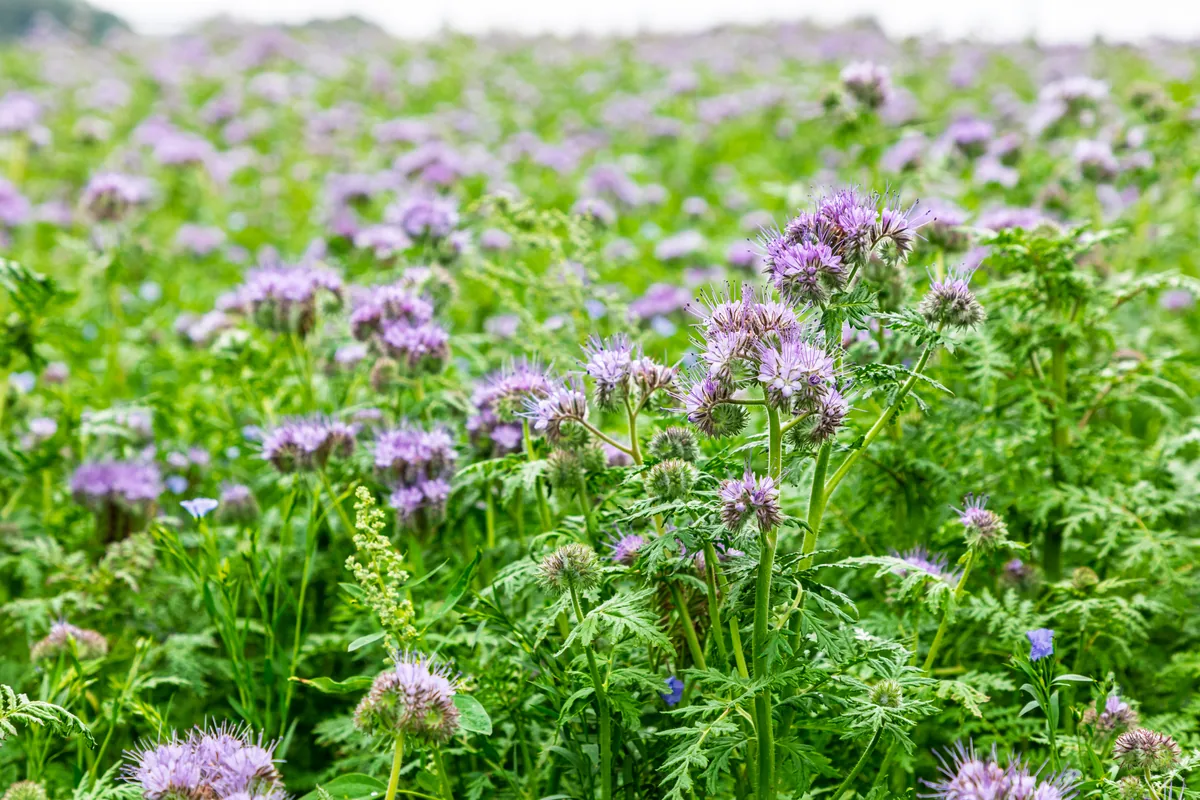
Phacelia tanacetifolia is the annual flower that turns a field edge into a bee rave—fern-soft leaves, coiled scorpioid flower clusters opening to lavender-blue, and nectar output that embarrasses many ornamentals. Common cover crop and orchard understory in Mediterranean and West Coast systems; useful anywhere you have a cool-season or mild-winter window. Best as fall–winter–early-spring planting; bolts fast once days heat up. Mix into vegetable fallow to feed pollinators before melon season drama. Full sun to light shade; tolerates poor soil but likes even moisture for lush growth. Avoid waterlogging. Direct-sow; scatter seed—germinates cool; do not bury deeply. Incorporate or cut while flowering if green manure is the goal; leave patches for bees until bloom finishes if insect support comes first.
Permaculture Functions
- Pollinator: Phacelia tanacetifolia scorpioid cymes open lavender-blue cups that pump nectar documented heavier than many cover crops -- honeybees mob stands in cool mornings; plant orchard bands before melon bloom gaps.
- Ground Cover: Ferny rosettes close canopy within weeks on fallow beds, shading out winter annual weeds in mild climates -- tolerates poor sand if moisture stays even through establishment month.
- Wildlife Attractor: Insect traffic pulls swallows and flycatchers to hunt above purple drifts -- leave corner patches standing an extra week if bird protein matters more than tidy stubble.
Companion Planting
Threats & Pressure