About
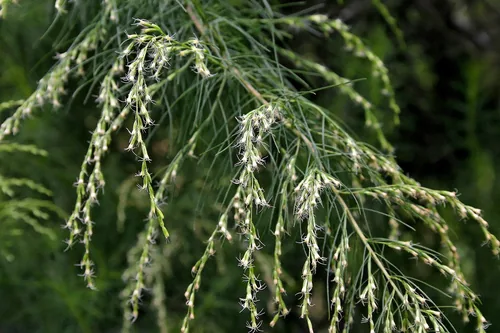
Dogfennel (Eupatorium capillifolium) is a tall, aromatic asteraceous perennial of old fields, roadsides, and disturbed ground in the southeastern United States and parts of the Caribbean basin, forming feathery clumps that can read like dilute yarrow on stilts. It is not a culinary fennel—common names are a tax on beginners—and it spreads aggressively where soils are open and sun is generous. In restoration and rough land management it provides fast biomass, insect habitat, and a blunt lesson in succession: it arrives loudly, then yields to shrubs if you let the process run. Full sun; tolerates poor, dry soils and heat once established. Moderate moisture speeds height; drought slows but rarely kills mature clumps. Avoid planting in high-value beds—rhizomatous spread is real. Not shade-tolerant in the long term; it stretches and collapses in dim corners. Rhizome division in dormancy moves clones quickly—contain with trench edges if you must keep it. Seeds are abundant and wind-dispersed; collect heads before shatter if you want controlled sowing. Cut for mulch before seeds mature to limit neighborhood diplomacy issues. If managing succession, mow or burn on appropriate rotations for your site and regulations—timing affects regrowth height and insect broods.
Permaculture Functions
- Wildlife Attractor: Eupatorium capillifolium flat white heads feed small pollinators and parasitoid wasps -- in old-field sun.
- Mulcher: Feathery stems compost quickly when mowed pre-seed -- use rough mulch on disturbed banks, not delicate vegetable beds.
- Biomass: Tall rhizomatous clumps build organic matter fast on wet low ground -- useful during early succession before slower perennials establish.
- Pest Management: Diverse insectary stands at field margins support predators -- keep colonies away from crops; rhizomes spread aggressively.
Companion Planting
Also mentioned as companions:
- Goldenrod
- Blackberry
Not yet profiled in PermiePortal
- Do not confuse with edible Foeniculum—dogfennel is not a kitchen herb and spreads where invited by bare soil
Threats & Pressure