About
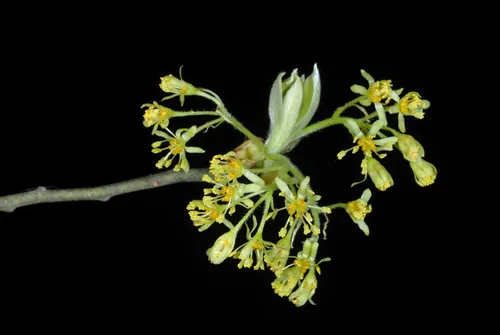
Spicebush is an eastern North American understory laurel whose twigs smell like honest citrus-spice tea when scratched. Yellow early spring flowers, glossy leaves, and red drupes on female plants feed migrating birds. In subtropical and tropical Americas panhandle and cooler 8b/9a pockets it shines in partial shade; farther south heat and humidity can stress it — site like a woodland edge, not a parking lot median. Part shade to dappled sun; tolerates more sun if soil stays moist. Rich, acidic, woodsy soil with mulch. Avoid drought baking on sand without organic matter. Seeds need warm/cold cycles; sow fresh or stratify thoughtfully. Softwood cuttings with humidity. Twigs and leaves for tea/tincture traditions where ethically harvested. Berries: spice experiments — verify sexed plants and ID.
Permaculture Functions
- Edible: Lindera benzoin spicy red drupes dry into surrogate allspice once identified on female shrubs -- twig tea tastes citrus-clove when scraped fresh along Appalachian trails.
- Wildlife Attractor: Yellow March blooms feed earliest pollinators -- while lipid-rich fruit fuels thrushes migrating through piedmont hardwoods.
- Medicinal: Benzoin-rich bark entered liniment lore -- verify modern safety data before swapping pharmacy protocols for backyard brews.
- Border Plant: Medium glossy shrubs soften woodland path curves -- where deer traffic tolerates occasional browsing if colonies stay dense.
Companion Planting
- High pH dry lots and blasting afternoon sun on sand
Threats & Pressure