About
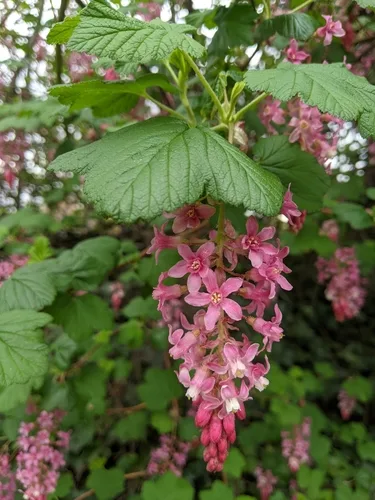
Currant (Ribes rubrum) is a deciduous shrub native to temperate parts of Europe and western Asia. It typically grows about 1–2 m (3–7 ft) tall with upright stems and clusters of translucent, red berries. In permaculture, it matters because you get a dependable fruit harvest from a woody structure plant, plus early spring flowers that feed pollinators before many other shrubs start working. Full sun to partial shade; more light improves berry color and sweetness. Water moderately during flowering and fruit sizing; drought reduces berry size and juice. Prefers well-drained soil rich in organic matter; avoid chronically wet ground. Handles cool temperate climates well, but hot, dry summers benefit from mulch and occasional deep watering. Cuttings: take hardwood cuttings in dormancy, keep evenly moist, and expect rooting in 8–12 weeks. Layering: bend a low cane to the ground in early season, keep it in contact with moist soil, and transplant after roots form (often by late season). Seeds: sow with cold stratification; germination can take weeks to months and seedlings take longer to fruit. Harvest berries when they turn fully red and taste sweet-tart; pick in rounds as clusters ripen at slightly different speeds. Eat fresh, freeze, or process into syrups, sauces, and preserves that store flavor for the long winter gap. Prune after harvest to maintain productive cane structure for the next season.
Permaculture Functions
- Edible: Ribes rubrum clusters yield translucent red currants for jelly, syrup, and summer sauces -- pick when fully colored and sweet-tart.
- Medicinal: Dark pigments and polyphenols in ripe berries show up in traditional cordials -- keep sugar loads honest if you cite health while preserving.
- Wildlife Attractor: Early racemes feed bees before many shrubs bloom -- ripe strings feed finches and waxwings if you share the harvest.
Companion Planting