About
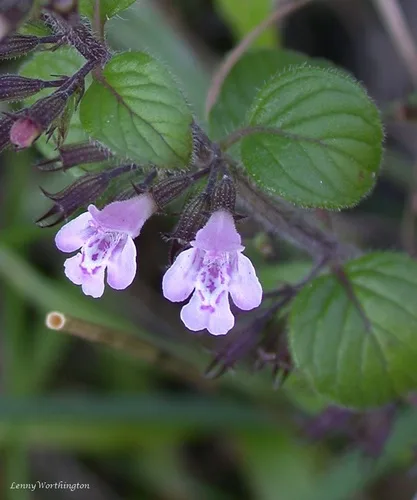
Savory (Satureja montana) is a perennial culinary herb grown for its aromatic leaves used to flavor beans, lentils, and soups. It is native to the Mediterranean region and forms a low, woody-based shrub with small pink-white flowers. Plants typically reach 20–60 cm (8–24 in) tall and spread gently with pruning. In permaculture, savory matters because it provides a steady, front-edge harvest and its flowers support pollinators, turning kitchen-herb beds into insect-active zones. Full sun for the most aromatic leaves; partial shade is tolerated but reduces intensity. Water lightly while establishing; once rooted it tolerates drought. Prefers well-drained, sandy or rocky soil with moderate fertility. Avoid heavy, waterlogged soil that promotes crown rot. Cuttings: take softwood or semi-hardwood cuttings in warm months; root under humidity (often 4–8 weeks). Seeds: direct-sow or start indoors; germination can be uneven and may take several weeks with steady moisture. Division: split clumps in spring for a quick true-to-type start. Harvest leaves frequently once plants are established; pinch tips to encourage branching. Harvest flowers for teas or infused oils during bloom. Dry leaves in airflow for storage; keep away from humidity to preserve aroma.
Permaculture Functions
- Edible: Satureja montana needle leaves stay peppery through winter drying -- strip into lentil pots, bean stews, and herbal salts where summer annuals quit first frost.
- Medicinal: Mountain savory tea shows up in Mediterranean folk materia medica for digestive comfort -- verify dose against personal health plans before leaning on daily quarts.
- Pollinator: Tiny pink-white lipped flowers hug stems in summer and pull small bees along herb bed fronts -- where shallow nectar fits short tongues.
Companion Planting