About
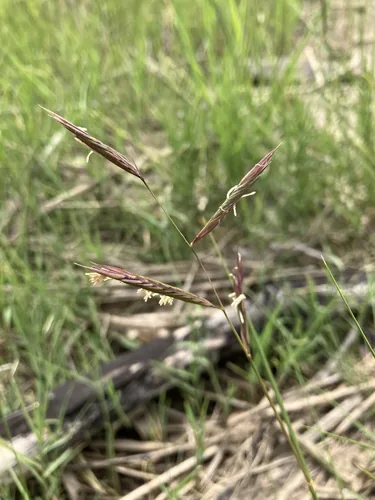
Saltmeadow cordgrass (Spartina patens) is a fine-textured perennial grass of Atlantic and Gulf coastal marshes and saline meadows, forming dense tufts that tolerate periodic tidal flooding and salt spray. Culms usually reach 1–3 feet (30–90 cm), spreading modestly by short rhizomes compared with larger cordgrass cousins. In restoration and coastal permaculture it knits marsh edges, filters runoff, and provides cover for nesting birds and juvenile fish where salinity is part of the contract. Full sun for dense growth; shade reduces vigor. Brackish to saline wet soils are native truth; also tolerates seasonally wet freshwater edges in some plantings. Avoid planting where regulations list Spartina species as restricted—verify local coastal rules before scaling. Divide clumps during cool, moist weather; keep roots wet until replanted. Sow seed where local protocols allow, following wetland nursery guidance. Cut back dead material in late winter to clear space for new tillers. Historically cut for salt-marsh hay where sustainable—follow modern regulations and marsh health metrics. Leave standing stems for wildlife where harvest is not permitted. Growth peaks during warm months with long days.
Permaculture Functions
- Erosion Control: Spartina patens tufts knit high marsh peat where storm chop meets mud -- short rhizomes spread enough to armor banks without the monoculture drama of taller cordgrass cousins on some coasts.
- Wildlife Attractor: Dense fine stems hide rails, seaside sparrows, and juvenile fish in shallow tidal guts -- where predators hunt along grass shadows.
- Water Retention: Root-filled salty peat sponges surge water and traps suspended sediment so marsh elevation inches upward -- instead of washing seaward.
- Biomass: Seasonal dieback of narrow blades feeds accretion and soil organic matter -- when left in place for restoration goals rather than exported as hay without a salt budget.
Companion Planting
- Regulatory status of Spartina species varies—coastal plantings require homework, not hope
- Freshwater-only beds — poor fit; chlorosis and decline without salinity tolerance context
Threats & Pressure