About
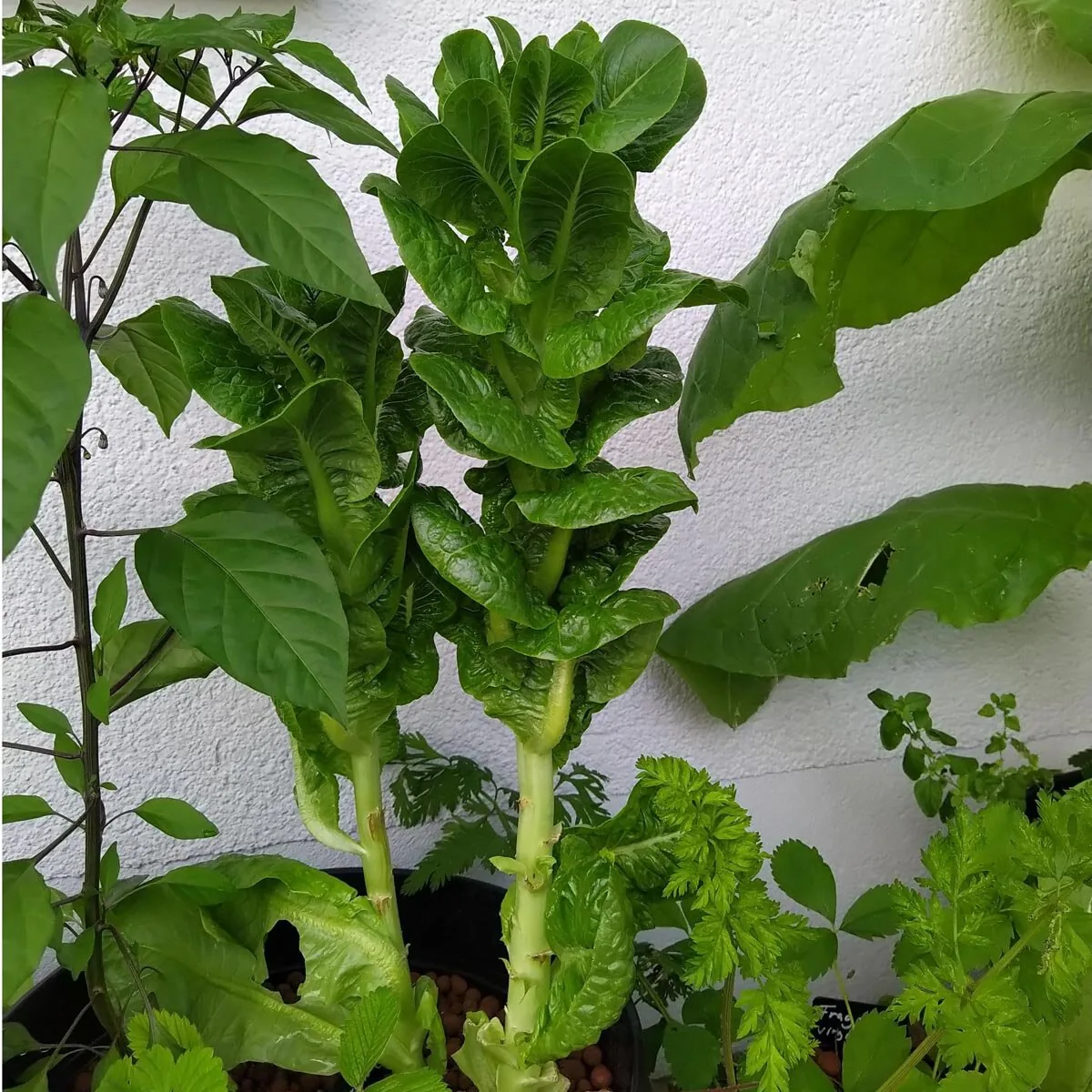
Celtuce (Lactuca sativa var. asparagina), also known as Stem Lettuce, Celery Lettuce, Asparagus Lettuce, or Chinese Lettuce, is a unique lettuce cultivar grown primarily for its thick, crunchy stem. Originating from the Mediterranean region and popularized in China, celtuce combines the characteristics of lettuce and celery, offering both edible leaves and stems. The plant begins by producing elongated, light-green leaves that can be harvested early for salads. As it matures, the central stem thickens, reaching about 15–20 cm (6–8 inches) in length and 3–4 cm (1–1.5 inches) in diameter. This stem is crisp with a mild, nutty flavor, making it versatile for various culinary applications. Celtuce is a cool-season crop, best grown in spring or fall to avoid bolting, which can occur in high temperatures. Prefers full sun but tolerates partial shade, especially in warmer climates. Thrives in well-drained, fertile soil with consistent moisture. Regular watering is essential to maintain stem tenderness and prevent bolting. Seeds: Sow seeds directly into the soil or start indoors 4–6 weeks before the last frost. Transplant seedlings when they have 3–4 true leaves. Spacing: Plant seeds or transplants 20–30 cm (8–12 inches) apart in rows spaced 30–40 cm (12–16 inches) apart. Leaves: Harvest young leaves approximately 4–5 weeks after planting for use in salads. Stems: Harvest when stems reach about 15–20 cm (6–8 inches) in length and 3–4 cm (1–1.5 inches) in diameter, typically 70–90 days after planting. Peel the fibrous outer layer before consumption.
Permaculture Functions
- Edible: thick stems peel to a crisp core for stir-fry -- while young leaves cut as lettuce before heat turns them bitter and pushes stem elongation.
- Ground Cover: rosettes pack cool-season rows tight enough to shade soil between plants and block annual weeds until bolting shoots jump -- for flower.
- Biomass: bolted tops and outer leaves chop into compost -- when warm weather ends the harvest window, moving bulky lettuce residue into the next heat-season crop cycle.
Companion Planting
- Garlic
- Onion
Threats & Pressure