About
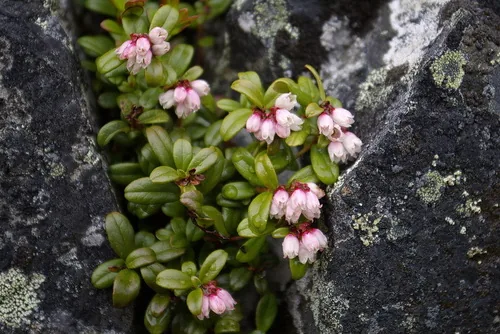
Lingonberry (Vaccinium vitis-idaea) is a low evergreen subshrub of cold boreal and montane heaths, forming mats with leathery leaves, pale bell flowers, and tart red berries famous in Nordic kitchens. Height is usually under 1 foot (0.3 m) with creeping stems. It suits acidic edible groundcovers, rock gardens in cool climates, and container culture where pH and drainage are controlled honestly. Full sun in cool summers; partial shade where heat spikes. Moist, acidic, well-drained organic soils; tolerates short dry periods in cool air but not droughty heat. Avoid lime and alkaline water that chloroses Ericaceae into yellow ghosts. Layer low stems onto moist peat-sand; hold until rooted. Sow seed after cold stratification; slow but possible. Divide small clumps in early spring with minimal root disturbance. Berries ripen late in the short season; flavor improves after frost in many sites. Pick for sauce, jam, or drying—birds compete, so schedule honestly. Prune old wood lightly after harvest to renew vigor.
Permaculture Functions
- Edible: Vaccinium vitis-idaea holds tart red berries into winter after frost sweetens acids -- simmer into Swedish-style sauces or dry slowly because water content is low compared with highbush blueberries.
- Ground Cover: Creeping stems form evergreen mats under ericaceous shrubs -- acidic pH and pine duff matter more than irrigation schedules; alkaline water chloroses leaves fast.
- Wildlife Attractor: Lingon feeds grouse, thrushes, and small mammals across boreal floors -- net or pick early if human pantry goals conflict with migrating flocks.
- Ornamental: Waxy leaves and persistent fruit read jewel-like against snow -- use in rock gardens where sun stays cool enough to prevent summer scorch on southern aspects.
Companion Planting
- Heat and humidity — often struggles south of its comfort band no matter how much you cheer
- High pH water — chronic iron chlorosis; fix water or choose different crops