About
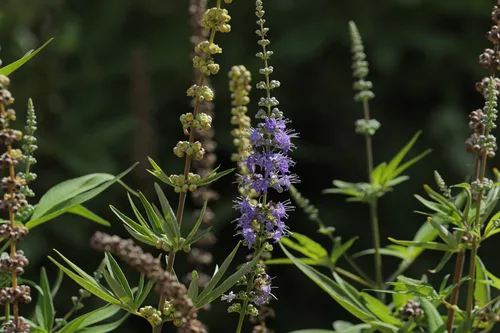
Vitex (Vitex agnus-castus) is a multi-stemmed deciduous shrub to small tree with aromatic, palmately compound leaves and long spikes of lavender-blue flowers that arrive in summer when many spring showboats are finished. Native to Mediterranean and western Asian dry margins, it handles heat and drought once established and attracts bees, butterflies, and hummingbirds to a steady nectar stream. Traditional medicine discusses chasteberry for hormonal support—modern use belongs with qualified guidance, not forum confidence. Full sun for dense flowering and upright habit; shade makes floppy growth and fewer blooms. Well-drained soil; tolerates drought after establishment but benefits from occasional deep watering in sand. Cold hardy in many temperate zones; late freezes can nip early flush—wait before panic-pruning. Semi-hardwood cuttings in summer root under mist or humidity tents. Seeds germinate irregularly; scarify/stratify strategies help. Hard prune late winter to renew bloom wood—flowers on new growth of the season. Harvest ripe berries for tinctures or drying on clean screens when color and texture read fully mature. Leaf also appears in some traditions—document identity before you process. Leave some spikes for pollinators if your harvest plan is not survival-critical.
Permaculture Functions
- Medicinal: Vitex agnus-castus ripe berries supply chaste-tree protocols for luteal-phase support -- dopamine-related interactions mean pregnancy and hormone meds need clinician review.
- Pollinator: Lavender-blue whorls open mid-summer when spring showboats quit -- honeybees and butterflies work the spikes for weeks on new wood.
- Wildlife Attractor: Dense flower spikes and aromatic foliage attract tachinids and small insectivorous birds picking prey -- not a bird feeder, but an insect buffet.
- Ornamental: Palmately compound gray-green leaves and upright habit read Mediterranean-clean on patios -- winter dieback in cold zones is normal; wait to prune until buds swell.
- Border Plant: Shear to multi-stem hedges or train small trees -- tolerates droughty, well-drained edges where heavier shrubs rot.
Threats & Pressure