About
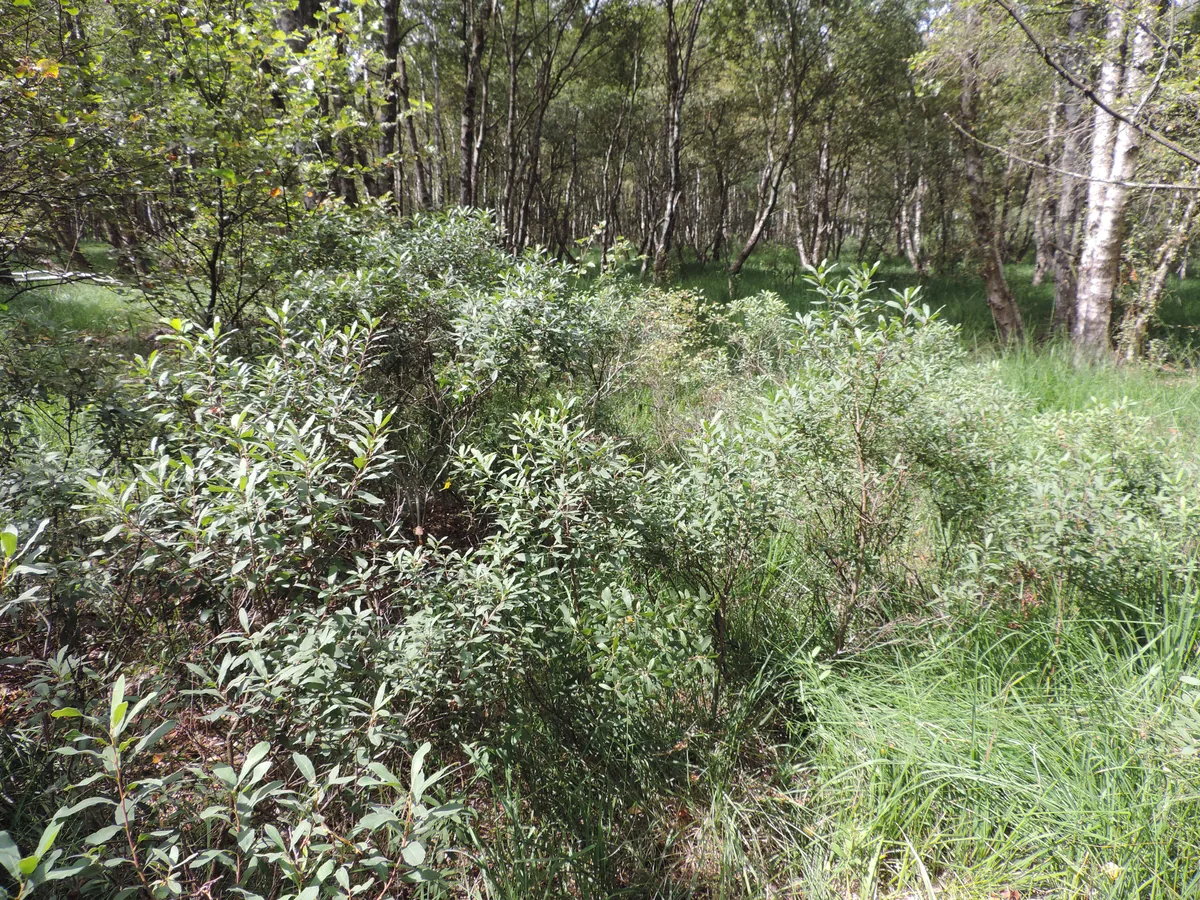
Sweet gale (Myrica gale) is a resinous deciduous shrub of cold bogs and coasts: narrow aromatic leaves, catkins, and a knack for fixing nitrogen with Frankia instead of the rhizobium crowd. Plants range roughly 2–6 feet, suckering into thickets where acidity and moisture align—perfume on the wind, mosquitoes allegedly less amused. subtropical and tropical Americas: This is mostly a “know your limits” entry. Sweet gale wants acidic, cool-root conditions; subtropical subtropical and tropical Americas lowlands cook it unless you are running a specialty bog pot with obsessive pH discipline. If you are in the primary audience zones (8b–13), picture it as a reference species for temperate guild thinking, not a hedge you plant next to the mango. Full sun to light shade; best fragrance and density in high light if soil stays moist. Wet acidic soils; tolerates periodic flooding common to true bog plantings—alkaline irrigation is sabotage. Semi-hardwood cuttings in summer with humidity; rooting hormone helps the impatient. Layer low branches to soil in spring; sever rooted stems the following year like civilized bandits. Harvest aromatic leaves for potpourri or traditional uses when growth is lush; dry gently out of direct sun. Prune to shape in late winter; avoid heavy cuts during peak sap if you want polite recovery.
Permaculture Functions
- Nitrogen Fixer: Myrica gale Frankia nodules bank nitrogen on peat ditch edges -- where clover roots rot from anaerobic chemistry.
- Wildlife Attractor: Early catkins drip pollen for bees still waking -- while warblers pick insects from resin-scented twigs along boreal bog trails.
- Border Plant: Waist-high aromatic thickets trace boardwalk curves through wetlands -- without needing vinyl fencing through the peat.
Companion Planting
Also mentioned as companions:
- Leatherleaf
Not yet profiled in PermiePortal
- Lime-stabilized urban fill that spikes pH overnight
- Dry beach dunes with blasting salt and zero peat