About
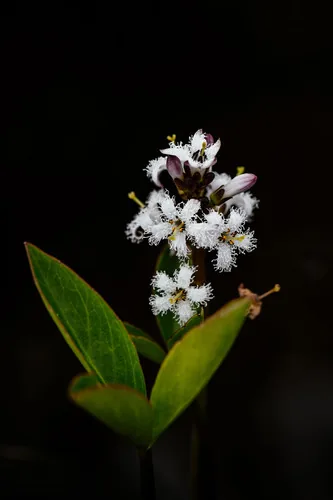
Bog bean (Menyanthes trifoliata) is a circumboreal aquatic perennial with creeping rhizomes, glossy trifoliate leaves that rise above the water, and clusters of fuzzy white-to-pink flowers with fringed petals. In cold, acidic bogs and pond margins it forms expanding mats; foliage typically reaches 15–45 cm (6–18 inches) above the surface. Full sun to light shade; flowers best with good light. Requires cool, oxygenated shallow water or saturated peat—classic bog-garden species. In subtropical and tropical Americas it is a specialty plant for highland ponds, shaded spring runs, or artificially cooled demonstration pools; lowland tropical heat often limits long-term success. Never allow rhizomes to dry; avoid hot, stagnant, anaerobic muck. Division: Slice rhizomes in late winter while dormant in cool climates; anchor pieces in aquatic baskets with acidic mix. Seeds: Sow on wet sphagnum surface; germination is slow and benefits from cold stratification. Do not wild-harvest sensitive bog species; in garden settings, thin excess rhizomes in cool months to manage spread and share divisions.
Permaculture Functions
- Aquatic: Menyanthes trifoliata rhizomes creep through cool, oxygenated shallows -- linking open water to sedge mats with emergent trifoliate leaves held above the surface film.
- Wildlife Attractor: Dragonflies perch on stiff flower stalks -- while ducks probe floating roots for invertebrates in boreal ponds where the species is native.
- Pollinator: Fringed white-pink bells open early in bog gardens -- giving fly pollinators a sugar source while willows are still in catkin.
- Water Retention: Dense rhizome sod cushions wave action on peat lips -- slowing peat slumping when water levels bounce between spring snowmelt and summer drawdown.
Companion Planting