About
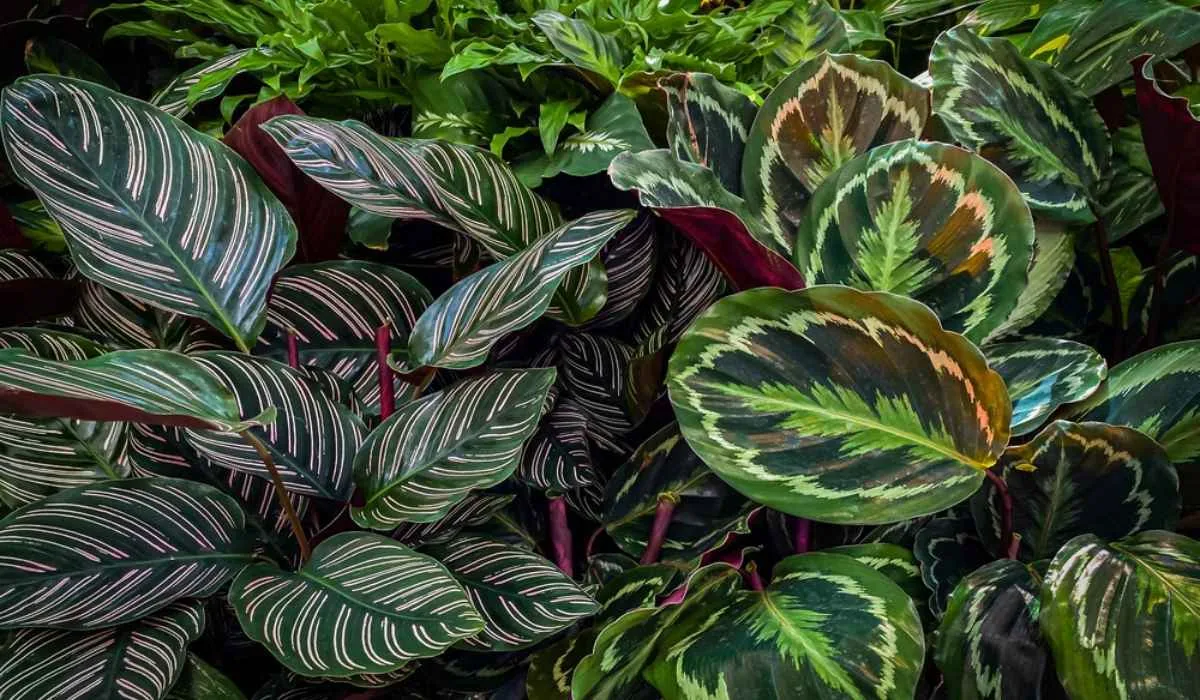
Calatheas are tropical plants celebrated for their beautifully patterned foliage, featuring various shades of green, white, pink, and purple. The leaves often have distinct markings, such as stripes, spots, or flame-like patterns, making them highly decorative. Additionally, Calatheas are known for their nyctinastic movements, where leaves move up at night and lower during the day, earning them the nickname "prayer plants." They thrive in warm, humid environments with indirect light and consistently moist, well-draining soil. Propagation is typically done through division. Carefully separate the plant into smaller sections, ensuring each has roots attached, and replant them individually. Calatheas prefer medium, indirect light and can tolerate low light conditions. Direct sunlight can scorch their leaves. Maintain consistently moist soil, but avoid waterlogging, as they are sensitive to overwatering. While primarily grown for ornamental purposes, if harvesting for propagation, it's best done during the growing season in spring or early summer.
Permaculture Functions
- Ground Cover: spreads in low clumps that knit over moist potting mix or mulch under taller houseplants -- slowing evaporation on shaded lanais and indoor shade tables.
- Ornamental: leaves carry marbled stripes and purple undersides -- while nyctinastic folding gives daily “prayer plant” motion that reads as foliage-first décor in humid interiors.
- Shade Provider: Grouped Calathea spp. pots cast a humid micro-shade pocket that cools neighboring ferns and aroids on the same bench without competing -- for direct sun.
Companion Planting
No companion data yet.
Also mentioned as companions:
- Fern
- Philodendron
- Pothos
Not yet profiled in PermiePortal
- Direct Sunlight
Threats & Pressure