About
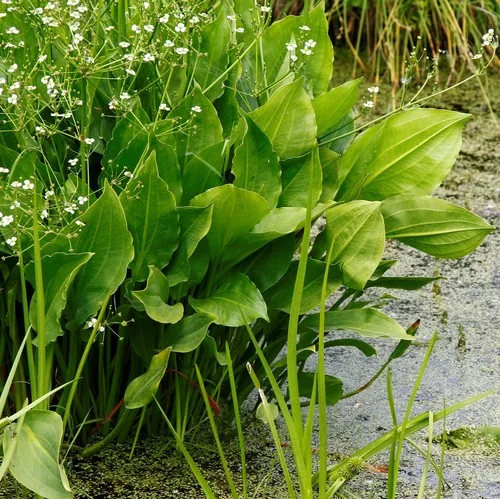
Heteranthera limosa is a charming native of muddy pond margins and seasonally wet ground. Low mats of spoon-shaped leaves set off short-lived blue flowers with a goofy "monkey face" look — great for wetland biodiversity and prettier than bare mud. It spreads by seed and creeping stems, filling gaps where water fluctuates. subtropical and tropical Americas ponds and rain gardens can host it without drama; pair with other warm-zone aquatics and avoid drying the root crown for long stretches. Full sun for best bloom; tolerates light shade. Wet mud to shallow water; recedes if baked dry for weeks. Rich organic muck is welcome. Division of rooted mats in warm weather. Seed on saturated soil; keep humid until established. Ecological value and subtle edible uses depend on correct ID -- harvest only where law and sanitation allow. Thin dense stands if mosquito habitat becomes a managed-water issue. Leave regenerating rhizome patches after any removal.
Permaculture Functions
- Wildlife Attractor: Short-lived blue “monkey-face” Pontederiaceae flowers draw small bees and flies to fluctuating shorelines -- while mat foliage gives cover for tadpoles, microcrustaceans, and aquatic insect nymphs between wet and drawdown phases.
- Border Plant: Low Heteranthera limosa carpets visually soften pond margins, rain-garden weirs, and irrigation spillways where hard edges would glare -- pairs with pickerelweed and spatterdock for staggered height without monoculture mulch.
- Erosion Control: Creeping stems and fibrous roots knit seasonally exposed mud, cutting wave splash and sheet flow that would otherwise undercut liner edges -- thin overcrowded mats if stagnant pockets become mosquito nurseries.
Companion Planting