About
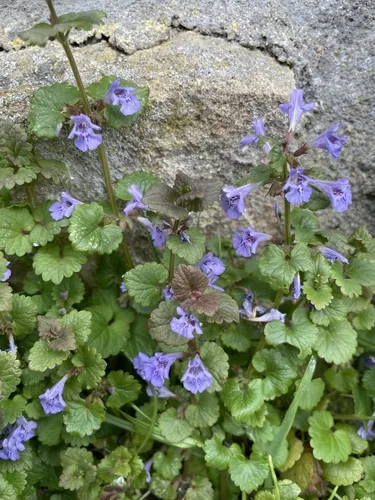
Calamint (Calamintha nepeta) is a compact perennial mint relative of Europe and western Asia widely grown in temperate gardens for clouds of tiny white to lavender flowers and oregano-like aromatic foliage. Mounding plants reach roughly 12–18 inches (30–45 cm) and bloom for long periods in sun, attracting small bees and parasitoid wasps. It suits herb spirals, path edgings, and pollinator strips where aggressive true mints are unwelcome. Full sun for dense habit and best bloom; tolerates light shade with looser form. Well-drained, average to lean soil; drought-tolerant once established compared with mint. Avoid wet winter soils that rot crowns. Sow seed indoors 6–8 weeks before last frost or direct-sow after frost. Softwood cuttings in late spring root quickly. Divide mature clumps in spring or fall to renew vigor. Snip leafy stems for culinary use before heavy flowering for mildest flavor, or harvest blooms for garnish. Dry bundles upside down in shade with airflow. Shear after first flush to encourage repeat bloom in long summers.
Permaculture Functions
- Edible: leaves taste like mild oregano or mint for sauces, herb butters, and teas -- when harvested before flowers fully open and oil peaks.
- Pollinator: opens tiny white to lavender tubes that feed small solitary bees and parasitoid wasps during midsummer gaps -- when larger flowers are scarce in lean soils.
- Ornamental: forms a low mound of fine gray-green foliage with long bloom spikes that read tidy -- along paths and sunny borders without mint rhizomes spreading underground.
- Pest Management: Volatile oils from Calamintha nepeta foliage can mask host scents for some chewing insects -- when used as a low aromatic skirt around brassicas or roses, not as a stand-alone spray substitute.
Companion Planting
Threats & Pressure