About
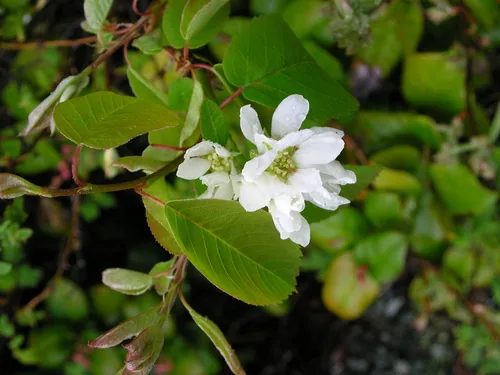
Saskatoon berry (Amelanchier alnifolia) is a multistemmed deciduous shrub to small tree of northern North American prairies and open woods, bearing white spring flowers and sweet purple pomes ripening in early summer. Plants typically reach 6–15 feet (1.8–4.5 m), spreading by suckers into bird-friendly thickets. Fruit quality suits fresh eating, pies, and preserves where cedar-apple rust management is planned. Full sun to partial shade; best fruiting with strong light and airflow. Moist, well-drained, humus-rich soils suit it; tolerates cold winters and short drought once established. Mulch to reduce grass competition; avoid waterlogging. Sow stratified seed; suckers transplant in early spring. Softwood cuttings under mist for clones. Prune for open centers to reduce leaf wetness and improve fruit color. Pick when berries soften and color fully—flavor peaks before complete bird takeover. Process quickly for freezing or baking. Bloom follows last hard frosts near 20°F (-7°C) risk in boreal sites.
Permaculture Functions
- Edible: Amelanchier alnifolia sweet purple pomes arrive before blueberries in short-season sites -- eat out of hand or bake once sugars peak before cedar waxwings strip the row.
- Wildlife Attractor: Early summer fruit fuels birds across northern prairie margins -- while suckering thickets give nesting cover the same season.
- Pollinator: Open white racemes supply pollen and nectar in late spring -- when orchard bloom has finished but bees still hunt calories between cold nights.
- Border Plant: Multistem thickets mark hedgerows, alley crops, and livestock lanes on cold sites -- where apple timber would winterkill.
Companion Planting
- Cedar-apple rust — separate from alternate juniper hosts when disease pressure is high
- Bird pressure — net ethically or plan shares
Threats & Pressure
- Aphids
- Apple Maggot
- Bagworm
- Blackberry Psyllid
- Cherry Fruit Fly
- Codling Moth
- Cyclamen Mite
- Fall Webworm
- Japanese Beetles
- Lesser Peachtree Borer
- Oriental Fruit Fly
- Oriental Fruit Moth
- Peach Twig Borer
- Peachtree Borer
- Pear Psylla
- Plum Curculio
- Raspberry Beetle
- Raspberry Cane Borer
- Rose Slug
- Sparganothis Fruitworm
- Spittlebugs
- Stink Bug
- Strawberry Root Weevil
- Twig Girdlers
- Vine Weevil
- Gall Mite
- Rust Mite
- Spotted Lanternfly
- Brown Marmorated Stink Bug
- Eastern Tent Caterpillar
- Harlequin Ladybird
- Tent Caterpillar