About
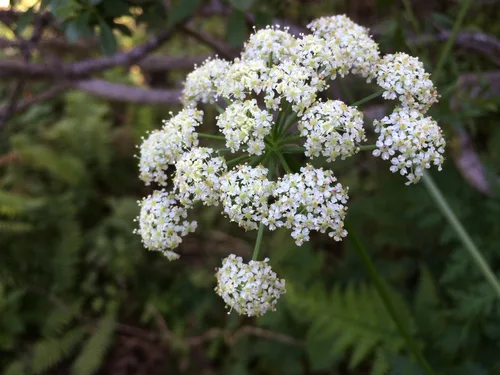
Celery root (Apium graveolens var. rapaceum), also called celeriac, is a cool-season vegetable grown for its knobby, flavorful swollen root. It forms tight leaf rosettes above ground and thick, edible “roots” underground, typically reaching 15–25 cm (6–10 in) across. Native to the Mediterranean region, it matters in permaculture because it extends harvests with reliable storage food while turning otherwise tough bed space into a soil-cover crop with strong organics. Full sun to partial shade; brighter light supports stronger growth, but too much heat can trigger bolting. Keep soil evenly moist, especially as roots size up; drought makes texture fibrous. Prefers rich, loose soil with compost; avoid compacted ground. Tolerates cool nights, but hard freezes can damage young plants. Seeds: start indoors 8–10 weeks before transplanting; germination can take 10–20 days (use consistent warmth and moisture). Seedlings/transplant: transplant after cold risk passes and plants are sturdy (often when they have several true leaves); water in well. Optional thinning: thin early rosettes to give each plant room for root expansion. Harvest celeriac when roots are firm and reach desired size, typically 80–110 days after sowing depending on variety. Cut roots off at the crown; store cool and humid to keep them from drying out. Use leaves as well: harvest selectively and compost what you don’t eat.
Permaculture Functions
- Edible: knobby hypocotyl swells into celeriac for roasts, remoulade, and ferments after peeling corky skin and storing roots cool and humid -- for months.
- Medicinal: shares apiaceous volatile oils with celery in teas for digestion support -- where furanocoumarin sun sensitivity still applies to aerial parts.
- Water Retention: wide rosette leaves shade bed soil through cool seasons -- slowing surface drying while the storage root sizes in steady moisture without bogging.
- Border Plant: upright crinkled foliage rings carrot or leek rows as a visible cool-season bed edge -- before the swollen crown lifts at harvest.
Companion Planting