About
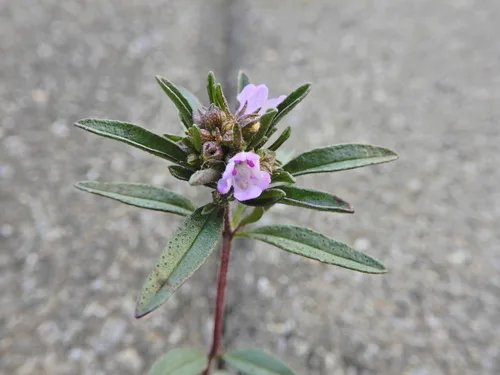
Summer savory (Satureja hortensis) is an aromatic annual herb grown for its peppery flavor and its usefulness in cooking and teas. It is native to the Mediterranean region and adapts well to warm climates where you want fast harvest herbs with minimal fuss. Plants typically reach about 30–60 cm (12–24 in) tall with leafy, upright stems and small flowers. In permaculture, summer savory matters because it gives frequent kitchen harvests while its blooms support pollinators and beneficial insects in the same bed where you grow food. Full sun for best aroma; partial shade is tolerable but reduces vigor. Water lightly while establishing; once rooted it tolerates drought. Prefers well-drained, sandy or loamy soil with moderate fertility. Avoid waterlogged ground to prevent root stress. Seeds (direct sow): sow after soil warms; germination often occurs in 7–14 days. Seeds (start indoors): start 4–6 weeks early for a head start; transplant carefully. Cuttings (optional): you can root soft tips in warm, humid conditions, though seeds are easiest. Harvest leaves regularly once plants are established; pinch tips to encourage branching. Harvest flowers when they open if you want the pollinator angle or infused teas. Dry leaves quickly in airflow for storage; slow drying invites mold.
Permaculture Functions
- Edible: Satureja hortensis needle leaves spike bean pots and zucchini grills with sharp pepper thyme -- shear before bloom sets if you want kitchen oil not honey yield.
- Medicinal: Tea traditions lean on savory for digestive bitterness -- dose like food first and escalate only with clinician maps because thujone cousins matter for vulnerable folks.
- Pollinator: Tiny white mint flowers hug stems in midsummer gaps -- when bee balm finished but asters have not opened yet.
Companion Planting