About
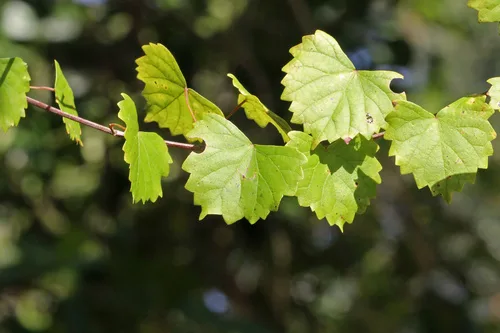
Muscadine (Vitis rotundifolia) is a native southeastern North American grape with thick-skinned, often bronze or purple berries and vigorous, shredding bark on mature stems. Vines climb by tendrils and can blanket arbors, fence rows, and forest edges, reaching canopy height when support allows. Fruit is typically slipskin with a musky aroma distinct from European wine grapes. It suits humid subtropical to warm-temperate pergolas, livestock fencing, and edible riparian buffers where disease pressure makes bunch grapes difficult. Full sun maximizes sugar; deep, fertile, well-drained soils support heavy crops. Drought tolerance is moderate once established, but fruit sizing needs steady moisture during veraison. Propagate from hardwood cuttings, layering, or grafted nursery plants on rot-resistant rootstocks. Train cordons on sturdy wire; annual pruning controls vigor. Harvest clusters when berries detach easily and flavors peak; process quickly into juice, jelly, or wine because skins resist quick spoilage but pulp oxidizes after crushing.
Permaculture Functions
- Edible: High-antioxidant skins and aromatic juice support home processing -- slipskin texture differs from table grapes, so expectations must match cultivar type.
- Wildlife Attractor: Fruit feeds raccoons, birds, and wasps near harvest -- net rows or accept wildlife tax in foraging plantings.
- Erosion Control: Lateral roots stabilize fence lines and ditch banks -- living trellis along berms slows runoff after intense rain.
- Ornamental: Shaggy bark and large leaves cloak arbors -- seasonal interest without replanting annual vines each year.
- Shade Provider: Dense summer canopy cools livestock lanes and patios -- plan pruning for winter sun access where desired.
Companion Planting
- Humid subtropical fruiting vines