About
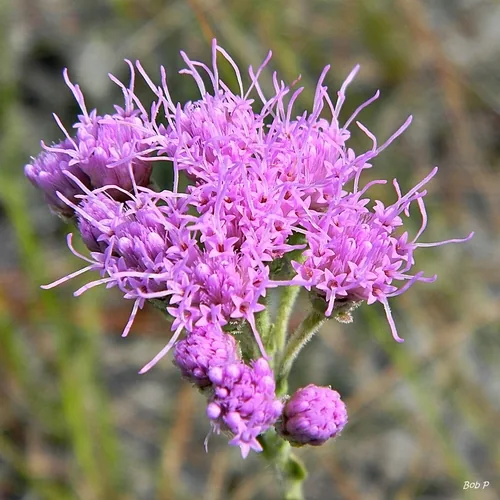
Florida paintbrush (Carphephorus corymbosus) is a robust herbaceous perennial of sandy pine flatwoods, scrubby edges, and ruderal openings in the southeastern United States, crowned in late warm season by flat-topped clusters of bright pink to lavender disc florets that pull butterflies from across the county. Stems often reach 2–4 feet (0.6–1.2 m) when blooming, with alternate leaves and a slightly hairy texture that reads honest, not manicured. It is a flagship forb for native meadow mixes in humid subtropical climates where irrigation is optional and drainage is not negotiable. Full sun to very light shade; shade quickly reduces flowering. Dry to mesic, well-drained sandy soils match natural sites; tolerates drought after establishment but not chronic bogging. Avoid heavy clay unless you enjoy watching asteraceous optimism drown. Sow seed in fall where winters provide natural stratification, or cold-stratify before spring sowing. Divide basal rosettes during cool moist weather; keep roots damp until replanted. First-year plants are modest—design for second-year drama. Leave inflorescences standing for late pollinators and winter structure; cut back in late winter before new growth if tidy edges matter. Collect ripe seed heads for propagation projects once achenes mature—expect fluff and patience.
Permaculture Functions
- Pollinator: Carphephorus corymbosus flat corymbs of pink disk florets tick late August through October -- when manicured lawn strips offer pollinators zero forage on humid zone 8-11 flatwoods edges you refuse to overspray.
- Wildlife Attractor: Brush-footed butterflies stack shoulder-deep on single clumps during migration weeks along coastal plain highway swales -- where showy heads stay open after dense blazingstar spikes finish nectar service.
- Ornamental: Two-to-four-foot vertical stems carry saturated magenta heads above wiregrass matrix -- without irrigation schedules non-native asters demand on the same sandy burn-return calendar you already manage with fire crews.
- Erosion Control: Deep taproots reopen sandy fire lanes where repeated mower passes compact soils -- after mechanical hazardous-fuel reduction strips wiregrass tussocks you plan to re-seed with local ecotype seed bags.
Companion Planting
- Wet clay — chronic root suffocation; choose wet-prairie species instead of sandhill cosplay
- Overfertilization — lush floppy growth with fewer flowers and more aphid social clubs
Threats & Pressure