About
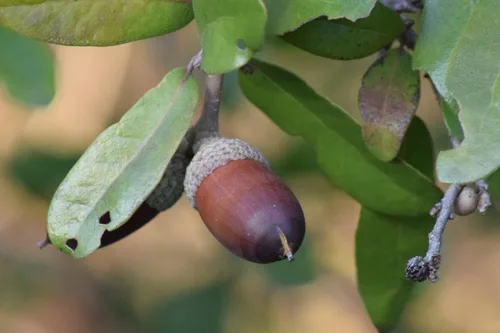
Texas oak (Quercus buckleyi), often called Texas red oak, is a medium-sized deciduous tree of limestone hills and Edwards Plateau woodlands, with lobed leaves that can show red fall color and acorns maturing in one season. Crowns are typically rounded to 12 to 15 meters (40 to 50 feet) in open settings, with dark, ridged bark on older trunks. It tolerates heat and drought better than many eastern red oaks. It suits xeric homestead windbreaks, savanna restoration, and livestock shade in warm-temperate climates with alkaline soils. Full sun develops strong structure; deep soils with good drainage support longevity, while shallow limestone restricts size but matches native form. Sow acorns immediately after fall collection; protect from rodents with wire mesh. Transplant small seedlings while taproots are short. Harvest acorns for processing only with positive ID and appropriate leaching traditions; wildlife relies heavily on mast, so plan retention strips.
Permaculture Functions
- Wildlife Attractor: Acorns feed deer, jays, and small mammals; cavities host woodpeckers -- retain snags where safe after storm damage.
- Erosion Control: Root systems stabilize rocky slopes -- useful on calcareous cuts where shallow soil slides after downpours.
- Mulcher: Leaf litter feeds soil mesofauna under canopy -- supports spring ephemerals if light reaches ground layer.
- Shade Provider: Broad crowns cool livestock pens and courtyards -- seasonal leaf drop allows winter sun warming when sited on south sides of outdoor workspaces.
- Dynamic Accumulator: Oak tissues cycle calcium and micronutrients -- leaf return builds organic matter on thin soils when paired with ground-layer guilds.
Companion Planting
Threats & Pressure
- Aphids
- Scale Insects
- Tent Caterpillar
- Tent Caterpillars