About
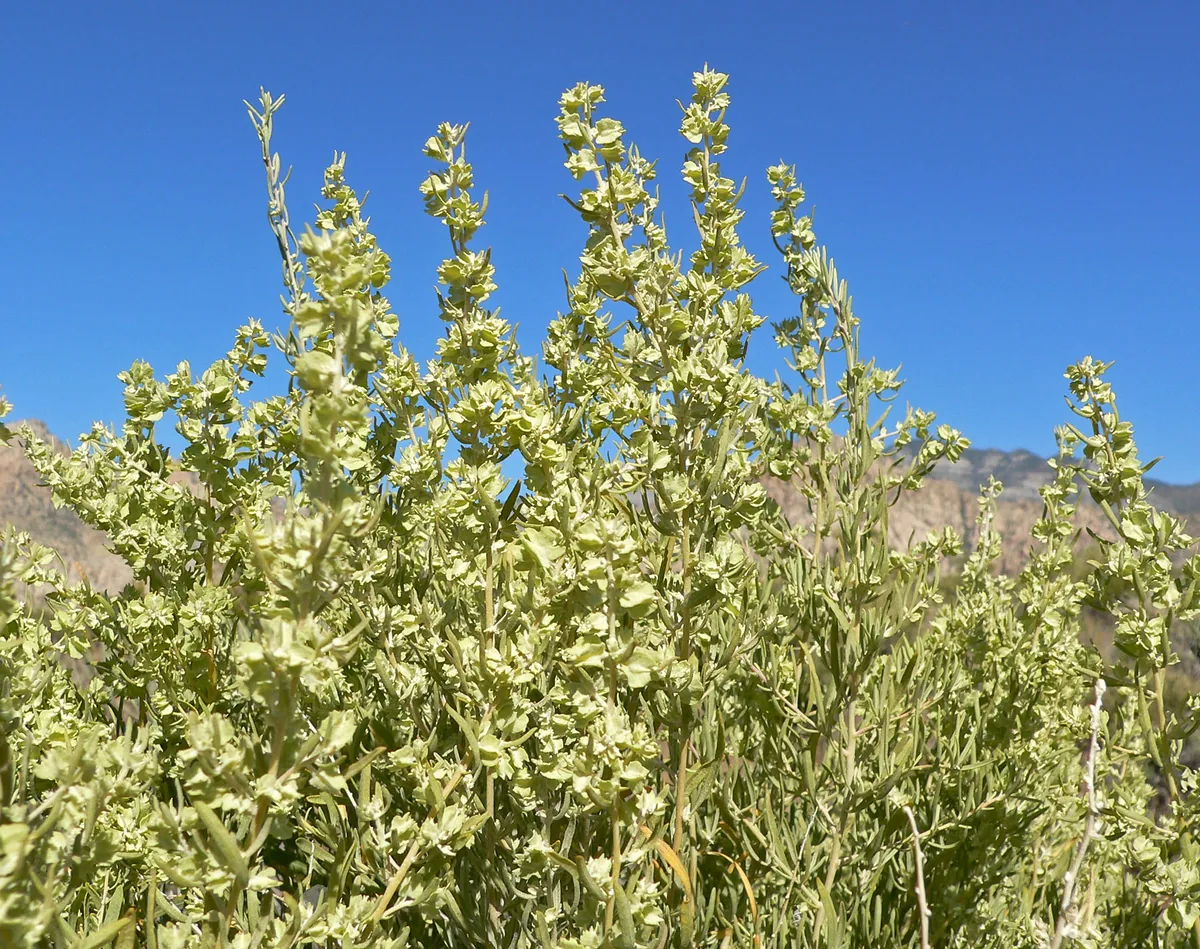
Saltbush (Atriplex halimus) is a silvery Mediterranean shrub often 4–10 feet tall with scaly, drought-tolerant leaves and inconspicuous flowers followed by small fruits. It thrives in saline or alkaline soils where many plants fail, making it a workhorse for coastal gardens, drylands, and reclamation plantings; the foliage reads as a soft gray mound that can be clipped into a hedge. Full sun; lean, well-drained soil. Tolerates seaside spray and poor fertility. Drought-tolerant when established; in Florida and Puerto Rico’s wet season, plant on mounded sand or gravel so roots never sit anaerobic for weeks—saltbush wants periodic dry-down between rains. Seeds: sow in spring in a sandy mix; keep warm until germination. Cuttings: hardwood cuttings taken in cool months root under mist in a sharp sand/perlite blend. Harvest young leaves for cooked greens or salt-flavored seasoning in moderation; clip for livestock fodder during active growth. Avoid heavy stripping of weak plants in the hottest drought stress.
Permaculture Functions
- Edible: Young Atriplex halimus leaves blanch or fry with a clean brine edge from salt glands on leaf surfaces -- use as a salty green in moderation, not a daily bulk salad for sodium-sensitive folks.
- Animal Fodder: Browse trials in Mediterranean silvopasture show sheep and goats accept regrowth after rain -- rotation keeps plants from lignifying into tough stems.
- Erosion Control: Deep woody roots anchor coastal berms, road cuts, and brackish swales -- where few broadleaf shrubs survive the first dry season.
- Windbreaker: Clipped gray mounds slow onshore gusts laden with aerosol salt -- tender vegetables behind the hedge keep functional stomata longer as a result.
- Dynamic Accumulator: Salt-scavenging foliage concentrates minerals pulled from saline profiles -- prune-and-drop cycles move that chemistry into mulch for halophyte companions down-gradient.
Companion Planting
Threats & Pressure