About
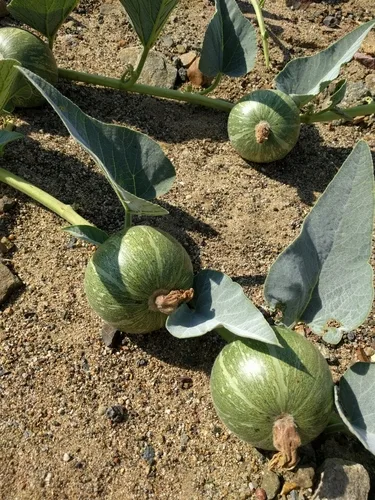
Cucumber (Cucumis sativus) is a warm-season vine grown for crisp, refreshing fruits harvested before they turn seedy and tough. It is native to South Asia and thrives across subtropical to temperate gardens when warm weather is steady. Vines can sprawl 1–2 m (3–6 ft) and produce large leaves that spread shade across the bed. In permaculture, cucumbers bring quick edible returns and help keep soil covered, especially when you trellis them so fruits stay off wet ground. Full sun is best for strong flowering and fruit set. Water consistently; drought stress can create bitter fruits and drops in yield. Prefers fertile, well-drained soil rich in compost; avoid waterlogged corners. Heat waves speed growth—keep moisture stable during the fastest fruit sizing. Seeds (direct sow): sow after soil warms to about 70°F (21°C); germination often takes 3–10 days. Seedlings (start and transplant): start indoors 3–4 weeks early, then transplant after cold risk passes; keep root balls intact. Optional: sow in small weekly intervals for a longer harvest window. Harvest fruit when still immature and firm, typically 50–70 days after sowing depending on variety. Pick frequently to keep vines producing; delayed harvests signal “stop making babies.” Eat fresh, ferment, or pickle; store short-term in the fridge and keep cut surfaces covered.
Permaculture Functions
- Edible: Cucumis sativus yields crisp, thin-skinned fruits when picked immature -- harvest every day or two in heat to keep vines setting new fruit.
- Pollinator: Monoecious vines open bright yellow blooms with nectar guides -- bees move pollen between staminate and pistillate flowers for fruit set.
- Wildlife Attractor: Blossoms feed syrphids and small bees -- dense foliage gives cover for predatory ground beetles along bed edges.
- Water Retention: Large leaves cast shade over mulched soil under trellised plantings -- reduces evaporative loss compared with bare ground between rows.
Companion Planting
Threats & Pressure