About
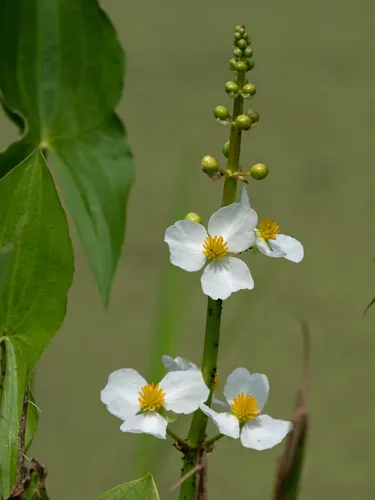
Common arrowhead is the pond plant with leaves shaped like the tip jar sign and tubers ducks would vote for. Edible use is real but water quality is the sermon — only forage from clean systems you would actually swim in on a brave day. In subtropical and tropical Americas it handles hot summers in shallow water and dies back in winter while rhizomes wait. Full sun to light shade at pond edges. Shallow water a few inches to a foot or saturated mud; tolerates fluctuation. Fertile muck increases tuber size; poor sites yield decorative leaves only. Rhizome/tuber division during dormancy or early spring. Seeds: sow on wet mud; keep flooded lightly as seedlings establish. Harvest Arrowhead in warm active growth when leaves or shoots look crisp, before yellow water-stress marches in. Morning picks ship better than wilted afternoon drama -- rinse grit in clean water, not pond soup. Use quickly or blanch and freeze; aquatic tissues turn slimy faster than upland herbs in plastic bags.
Permaculture Functions
- Edible: Sagittaria latifolia starchy tubers called wapato were historically gathered from clean shallow water after frost heave floated them -- only harvest where water quality passes a swim test and ID excludes toxic lookalikes.
- Wildlife Attractor: Arrow leaves and emergent stalks give cover for ducks, turtles, and aquatic insects while seeds feed waterfowl in fall -- expect muskrat tunnels through thick stands.
- Water Purification: Rhizomes trap sediment and take up dissolved nutrients at pond margins, clarifying water column when excess lawn runoff is fixed upstream -- roots are not a license to keep fertilizing turf into the pond.
Companion Planting
- Confusing with toxic look-alikes without solid ID skills
- Harvest from polluted urban retention ponds