About
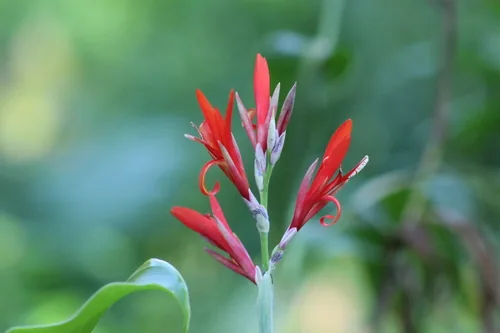
Canna indica is the starchy-rhizome side of the canna world: big paddle leaves, flashy flowers if you select for them, and underground storage that has fed humans in multiple continents when people stopped treating cannas as only HOA filler. Grows as a returning perennial in many sites; mulch crowns after hard freezes. Full sun to light shade; more sun equals more rhizome if the water holds. Loves moisture and fertility — think pond edges, swales, or heavily mulched beds. Not a desert plant unless you enjoy disappointment. Division of rhizomes in spring is the practical highway. Seeds are hard-coated; nick/scarify if you insist on the seed route. Dig rhizomes after tops die back or slow in cool weather; cook thoroughly — research cultivar suitability because ornamental cannas are not all dinner.
Permaculture Functions
- Edible: Canna indica rhizomes are a real starch crop when you grow documented food landraces, not random patio hybrids -- dig after tops senesce, then boil thoroughly because ornamental cannas can differ in texture and chemistry.
- Ornamental: Huge paddle leaves and showy blooms carry subtropical bedding aesthetics -- banks calories along pond berms and banana circles where soil stays moist.
- Mulcher: Lush foliage in fertile wet sites produces heavy chop-and-drop after storms -- leaves decay fast in heat, feeding worms under mulched swales without smothering low emergent herbs if you spread cuts thin.
- Animal Fodder: Leaves and soft stems have history as livestock browse in tropical systems once cultivar nontoxicity is confirmed -- trial small batches before turning a whole herd loose on unknown hybrids.
Companion Planting
- Assuming every canna at a big-box store is food-grade
- Bone-dry raised beds with no irrigation