About
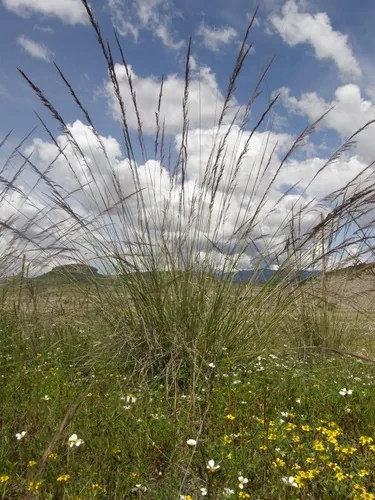
Longawn muhly (Muhlenbergia rigida) is a warm-season bunchgrass from the southwestern United States into Mexico, forming dense metallic blue-green clumps with narrow leaves and narrow panicles bearing long awns that shimmer in light. Height is often 2–3 feet (0.6–1 m) with inflorescences taller. It suits xeric ornamental beds, green roofs with depth, and southwestern meadow mixes where drainage is honest and irrigation is optional. Full sun for upright habit and best flowering; shade invites flop. Well-drained, lean to average soils; excellent drought tolerance after establishment. Wet clay in winter is a crown-rot accomplice. Divide dormant clumps in spring; keep divisions moist until rooted. Sow seed warm; weed control early matters. Cut back old foliage in late winter before new growth. Ornamental peak is warm-season bloom with long awns—plan backlight views. Leave standing for winter texture if desired; cut back before spring flush. Collect seed ethically from appropriate ecotypes for restoration.
Permaculture Functions
- Ornamental: Muhlenbergia rigida carries blue-green blades and narrow panicles with long awns that catch backlight -- mass in lean soil; irrigation pushes lush flop that defeats the metallic look.
- Erosion Control: Fibrous bunchgrass roots bind rocky slopes and berms in southwestern sun -- wet winter clay still rots crowns, so amend drainage or choose sedges for soggy toes.
- Wildlife Attractor: Seeds feed sparrows and small rodents while basal clumps shelter lizards -- leave standing winter stems for structure before cutting before the spring flush.
- Border Plant: Tight clumps edge paths and parking strips without mowing -- singletons look lost; drifts read intentional in desert-modern designs.
Companion Planting
- Overwatering and rich compost — lanky growth with reduced metallic color
- Heavy wet clay — not a swamp specialist despite grass stereotypes
Threats & Pressure