About
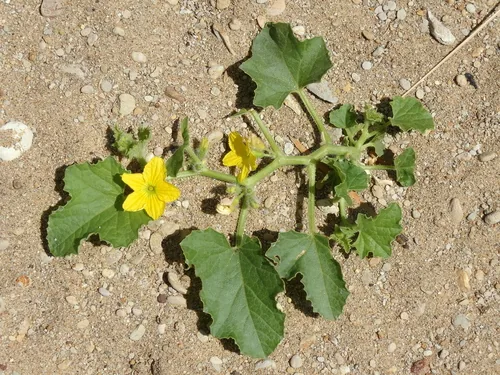
Yes, the common name is spelled like a typo—roll with it. This is classic netted muskmelon / cantaloupe-type **Cucumis melo**: trailing vines, yellow flowers, fragrant fruit with reticulated rind and orange musky flesh when you pick a good cultivar. In hot humid climates, spring and fall windows beat midsummer fungal fiestas; use trellis or mulch to keep fruit off wet soil. Downy mildew arrives like a season ticket holder. Full sun; fertile, well-drained soil; consistent moisture during fruit set—drought gives you bitter, small melons and personal regret. Direct seed after soil hits ~70°F (21°C); transplants for head starts. Save seed only from open-pollinated types if you enjoy genetic roulette. Pick when rind color, netting, and aroma say ripe for your cultivar—under- or overripe melons punish optimism.
Permaculture Functions
- Edible: Reticulatus-group Cucumis melo delivers aromatic orange flesh when heat units accumulate and irrigation stays steady through rind netting -- pick on cultivar-specific color, netting, and stem-slip cues; bitter small fruit follows droughty fruit set.
- Pollinator: Morning-opening yellow flowers supply pollen and nectar to squash bees, honeybees, and bumble workers during fruit set -- cluster several vines or pair with early sunflowers so pollinators find volume worth revisiting.
- Ground Cover: Large leaves on trailing vines shade row middles and cut soil evaporation when fruit are trellised or slung -- keep developing melons off damp mulch at night to reduce belly-rot and anthracnose invitation.
Companion Planting
Also mentioned as companions:
- Corn
- Bean
Not yet profiled in PermiePortal
- Wet foliage all night
- Shade